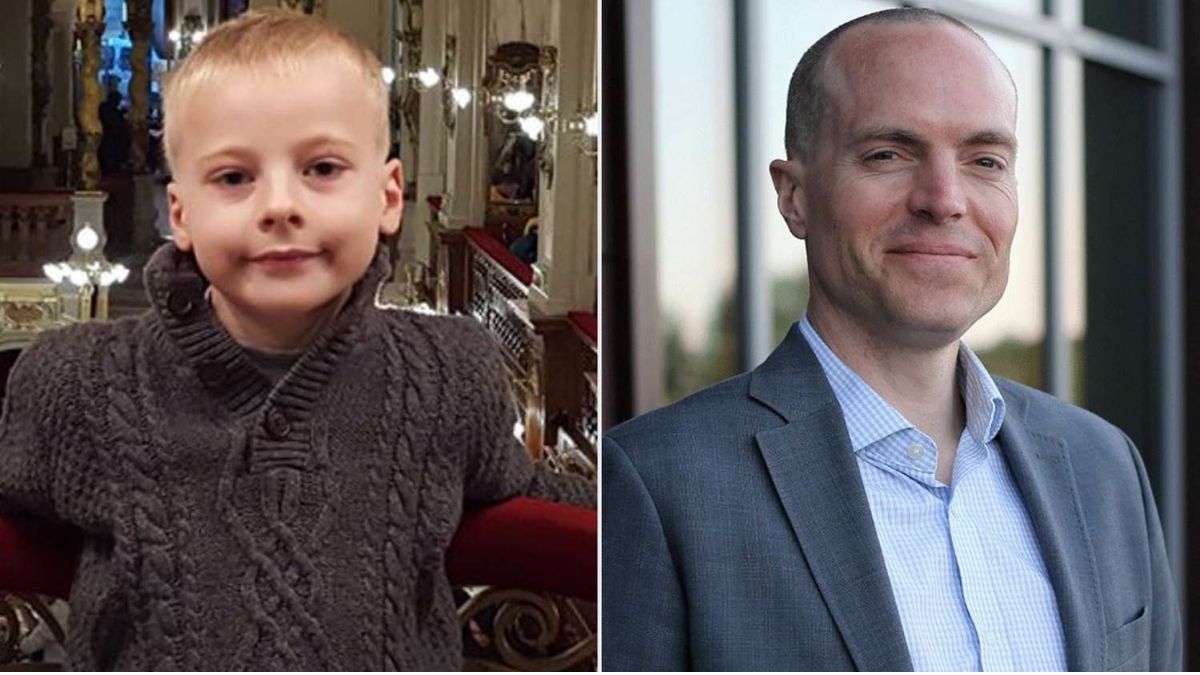
A cold January morning in Minneapolis turned into a nightmare for a family and an entire neighbourhood. What began as a simple drive after school drop-off ended in tragedy when a mother of three was shot and killed during a tense encounter involving federal agents. The incident has now sparked grief, anger, and serious questions about the use of force.
A routine morning that turned tragic
On January 7, 37-year-old Renee Nicole Good had just dropped her 6-year-old son at school. She was driving with her committed partner, Becca, when they decided to take a short detour after hearing that ICE agents were active in the city and protests were forming nearby.
Minutes later, at around 9:37 a.m., Renee was shot while sitting in the driver’s seat of her maroon Honda Pilot. The shots were fired by Jonathan Ross, an ICE agent who had joined the agency in 2015 and was also serving as a firearms instructor and a member of the FBI’s Joint Terrorism Task Force.
Witnesses described hearing gunshots and seeing people scream in shock. One bystander said people around were shouting that a woman had been killed. Within moments, panic spread across the street.
911 calls reveal chaos and confusion
The first emergency call came in just two minutes after the shooting. Callers told dispatchers they had seen a woman shot inside her car by someone wearing an ICE vest. Some reported that the car then crashed and that the driver was not moving.
Another caller mentioned seeing blood on both Renee and Becca, who tried desperately to help her partner. Multiple voices could be heard crying and shouting in the background of the calls, showing how tense and confusing the scene had become.
As police and SWAT teams arrived, they began ordering people to move back. Neighbours said this was the moment the reality of what had happened truly hit. Becca could be heard crying out for Renee, calling her “my wife,” while holding her and covered in blood.
Emergency response and unanswered questions
Fire and medical teams reached the scene within minutes. Renee was found unresponsive in her vehicle with multiple gunshot wounds. Paramedics attempted to revive her with CPR and other lifesaving efforts. She was later taken to the hospital, but efforts were stopped around 10:30 a.m., about an hour after the shooting.
Witnesses later shared concerns about how difficult it was for responders to remove Renee from the car and how long the process appeared to take. Many said the entire scene felt disorganised and traumatic.
By the time emergency efforts were underway, the agent who fired the shots was already gone. Reports noted that he had been taken to a federal building by around 10:03 a.m.
Different versions of events emerge
Soon after the incident, someone called 911 claiming to be speaking on behalf of the Department of Homeland Security. This caller gave a very different version, saying agents were under threat and that shots had been fired in self-defence.
DHS later released a statement claiming Renee had committed an “act of domestic terrorism” and that the agent fired because the vehicle was allegedly being used to endanger officers. Renee’s family strongly rejected this claim, saying it was completely untrue and did not reflect who she was.
Use-of-force experts have also raised doubts. Former police chief Chris Burbank said that deadly force should only be used when there is an immediate threat to life, and that based on what is publicly known, Renee did not appear to pose such a danger.
A community in mourning
Renee’s family described her as loving, hopeful, and full of light. Her parents and siblings said she brought joy to everyone she met. Neighbours shared similar memories, saying she was always ready to help others, whether it was assisting someone stuck in the snow or simply being kind.
In the days after her death, the site of the shooting filled with flowers, handwritten messages, candles, and artwork. Vigils were held, with people praying, crying, and standing in silence. As time passed, grief also turned into anger, with protesters demanding accountability and justice.
Becca later shared a powerful statement, saying, “We stopped to support our neighbours. We had whistles. They had guns.” She also spoke about the future, explaining that she now has to raise their son alone while trying to teach him that there are still people working to make the world better.