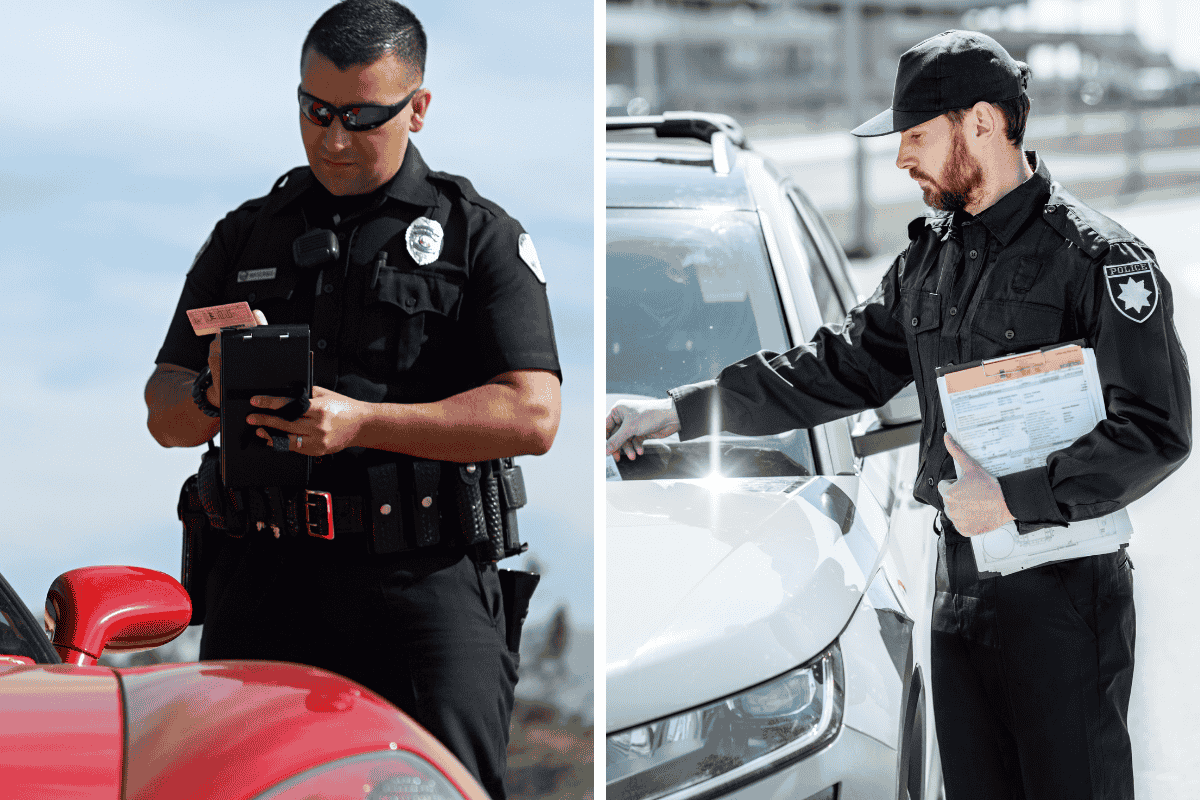
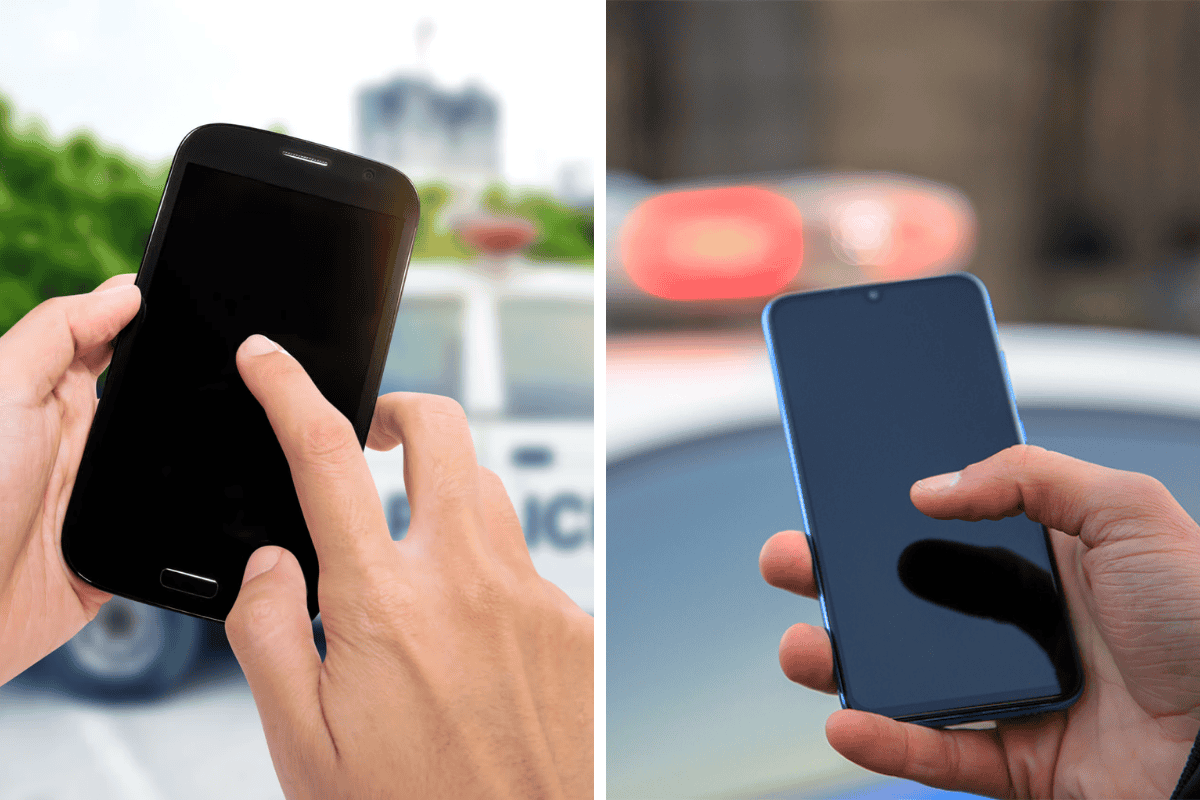
Hawaii police generally cannot search your phone during a routine traffic stop without a warrant, consent, or specific exceptions under the Fourth Amendment and state law. Drivers and passengers should know their rights to politely refuse and avoid common pitfalls in 2026.
Fourth Amendment Protections
The U.S. Supreme Court’s Riley v. California (2014) ruling requires warrants for cell phone searches during arrests, as phones hold vast personal data unlike simple wallets. Hawaii follows this federal standard, with no state law permitting warrantless phone grabs in standard traffic stops for speeding or signals.
Officers need probable cause of a crime tied to the device—like texting while driving under HRS §291C-137—or your voluntary consent. Routine stops limit searches to plain-view items or vehicle exceptions, not locked phones.
Traffic Stop Scenarios
During minor violations, police may ask for your phone to “check for warrants” or inspect for handheld use, but you can refuse without arrest risk unless probable cause exists. If arrested (e.g., DUI), a phone search incident to arrest demands a warrant post-Riley; Hawaii courts uphold this strictly.
Inventory searches of impounded cars exclude personal electronics absent suspicion. Consent searches require clear, recorded “you” permission—say “I do not consent” firmly but calmly to invoke rights. Dashcams and body cams protect against claims of implied okay.
Exceptions Allowing Searches
Warrantless phone access applies in exigent cases like imminent evidence destruction (e.g., remote wipe during a drug probe) or vehicle searches under the automobile exception if the phone links to observed contraband. Border stops near Hawaii ports heighten scrutiny, but routine Oahu or Big Island traffic pulls rarely qualify.
HPD policy mandates warrants “whenever appropriate,” prioritizing constitutional rights. Biometrics (fingerprint/face ID) compel unlocking per some courts, so power off if detained. No 2026 bills like HB1746 alter phone rules; they target DNA, not devices.
Practical Steps for Drivers
Lock your phone with strong passcodes, not biometrics. Place it in the glovebox before stops. Politely decline: “Officer, I respectfully do not consent to any searches.” Ask, “Am I free to go?” to clarify detention.
Record interactions if safe (legal in public). If seized, demand a warrant copy and receipt; challenge illegally obtained evidence via suppression motions. Hawaii Legal Aid or ACLU Hawaii offers free consults for violations. Apps like ACLU Mobile Justice log stops automatically.
Penalties and Remedies
Illegal searches can lead to dismissed cases or civil suits under 42 U.S.C. §1983 for rights violations, with HPD facing oversight scrutiny.
Fines for unlocked phone evidence rarely stick post-challenge. Amid rising traffic enforcement, 2026 sees no loosened rules—SB 2729 pushes stop data collection for equity, indirectly aiding claims. Stay updated via capitol.hawaii.gov; tourists get extra leniency if compliant.
SOURCES:
- https://law.justia.com/codes/hawaii/title-38/chapter-803/
- https://www.honolulupd.org/policy/policy-warrantless-searches-and-seizures/