
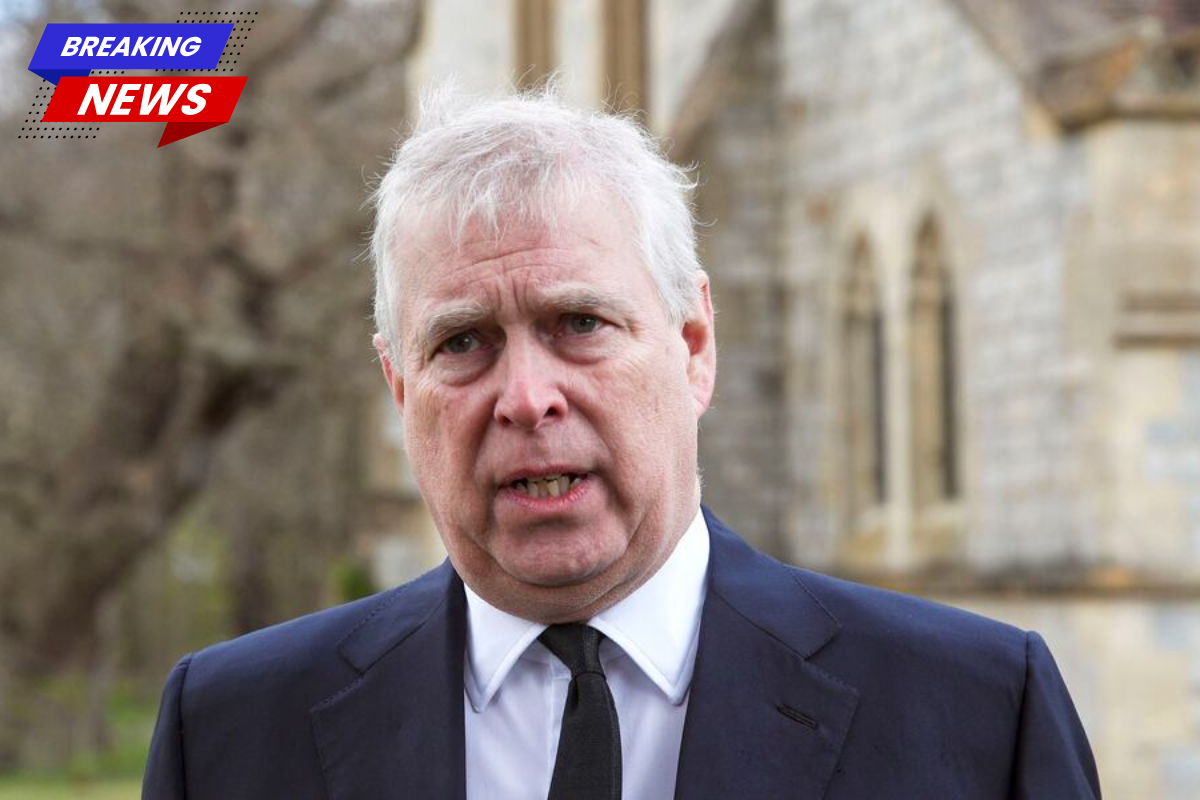
The debate around the Epstein files is back in the spotlight, and this time it’s not just about who is named in the documents. It’s also about who is not named. A recent comment by Victoria Hervey, a former girlfriend of Prince Andrew, has added fresh fuel to the discussion.
She suggested that anyone missing from the files is “irrelevant” to the powerful social circle connected to Jeffrey Epstein. But many legal experts, survivors, and lawmakers disagree. They say the real issue is not popularity or social status, but accountability, transparency, and justice for victims.
What Victoria Hervey Said About the Epstein Files
Victoria Hervey, who briefly dated Prince Andrew in 1999, spoke openly about the recently released Epstein documents. She argued that if someone’s name does not appear in the files, it shows they were not part of the powerful network around Jeffrey Epstein.
According to her, being mentioned in the documents showed social relevance. She even pointed out that some people appeared multiple times, which she felt confirmed their importance in elite circles. Since Hervey herself is named in some of the public documents, many believe this explains why she felt comfortable commenting so directly.
However, critics quickly responded that her statement oversimplifies a complex legal issue.
Why Missing Names Do Not Mean Irrelevance
Many legal experts have clarified that just because a name does not appear in the released files, it does not automatically mean a person is innocent or uninvolved.
There are several possible reasons for missing names:
- Documents may still be sealed by the court
- Some names may be redacted for privacy reasons
- Certain investigations may still be ongoing
- The released files may cover only specific cases
The U.S. Department of Justice released large batches of documents, but not everything has been made public. Courts often keep parts of records sealed to protect victims or ongoing investigations.
Because of this, survivors and advocates argue that treating absence as proof of “irrelevance” can mislead the public.
Why the Epstein Files Still Matter Today
The controversy is not just about famous names. It is about justice, transparency, and public trust.
The Epstein files matter because:
- Survivors want full accountability
- Lawmakers want clarity on what was hidden
- The public wants transparency from powerful institutions
- Courts must balance privacy with the right to know
When media reports focus only on high-profile names, the bigger issue can get lost. Survivors have repeatedly said that this is not about gossip or social circles. It is about serious crimes and whether institutions failed to act.
Lawmakers Pushing for Full Release
Several members of the U.S. Congress are demanding the full release of the Epstein files.
Thomas Massie and the Discharge Petition
Thomas Massie has been one of the most vocal leaders pushing for transparency. He sponsored a discharge petition, which is a special parliamentary move to force a vote in the House of Representatives.
Massie argued that the Justice Department missed deadlines and kept too much information hidden. He described his effort as a fight for victims and public accountability.
Bipartisan Support from Other Lawmakers
Massie received support from lawmakers across party lines, including:
- Ro Khanna
- Nancy Mace
- Marjorie Taylor Greene
- Lauren Boebert
While their political views differ, they agree on one thing: the public deserves transparency.
Role of the House Oversight Committee
The United States House Committee on Oversight and Accountability has also played a key role. The committee requested documents from the Justice Department and questioned officials about redactions.
Their goal is to understand:
- Why certain materials remain sealed
- Whether agencies followed proper procedures
- If more documents should be made public
These efforts have added pressure on federal agencies to explain their decisions.
Survivors and Advocates Speak Out
Many survivors strongly oppose the idea that missing names mean someone is unimportant.
They argue:
- The files released so far are incomplete
- Redactions may hide critical evidence
- Justice should not depend on media attention
Advocates have urged Congress to focus on institutional failures rather than just sensational headlines. They want proper investigations, not just public debates.
Political Reactions and Public Debate
Political reactions have been mixed. Donald Trump commented that being absent from the documents “doesn’t prove anything.” His statement shifted attention to legal process rather than speculation.
The public conversation has now split into two camps:
- One side focuses on which big names appear
- The other side focuses on victim testimony and legal accountability
This divide shows how sensitive and complex the issue remains.