
SALT LAKE CITY — In a bid to honor the community values of “justice, equity, belonging, and collective healing,” Salt Lake City is launching a national search for artists to contribute to a new public art project in the Fleet Block space, a prime open area located at approximately 320 W. 900 South.
This new project aims to reflect the spirit of the social justice murals that were previously displayed in the area and torn down last year to make room for redevelopment.
The Salt Lake City Arts Council issued a request for qualifications (RFQ) on Thursday, inviting U.S.-based artists or artist teams to submit their portfolios for consideration. City leaders are seeking an “anchor artwork” that will serve as a symbolic replacement for the 29 social justice-themed murals, which had become an important part of the city’s cultural landscape.
These murals were especially significant during the national conversations surrounding social justice, and their removal has created an opportunity to introduce a new piece that continues to reflect those values.
“We’re seeking artwork that will reflect the values articulated through our engagement with the community,” said Renato Olmedo-González, public art program manager for the Salt Lake City Arts Council. The artwork should embody the themes of justice, equity, and collective healing, while engaging the community in meaningful reflection and dialogue.
Background and Community Engagement
Salt Lake City’s Fleet Block project has been in the works since 2019, but the focus on art intensified when the city paused the project during the COVID-19 pandemic. The vacant buildings on the site were transformed into a large canvas for social justice memorials, including murals honoring individuals who were victims of police violence.
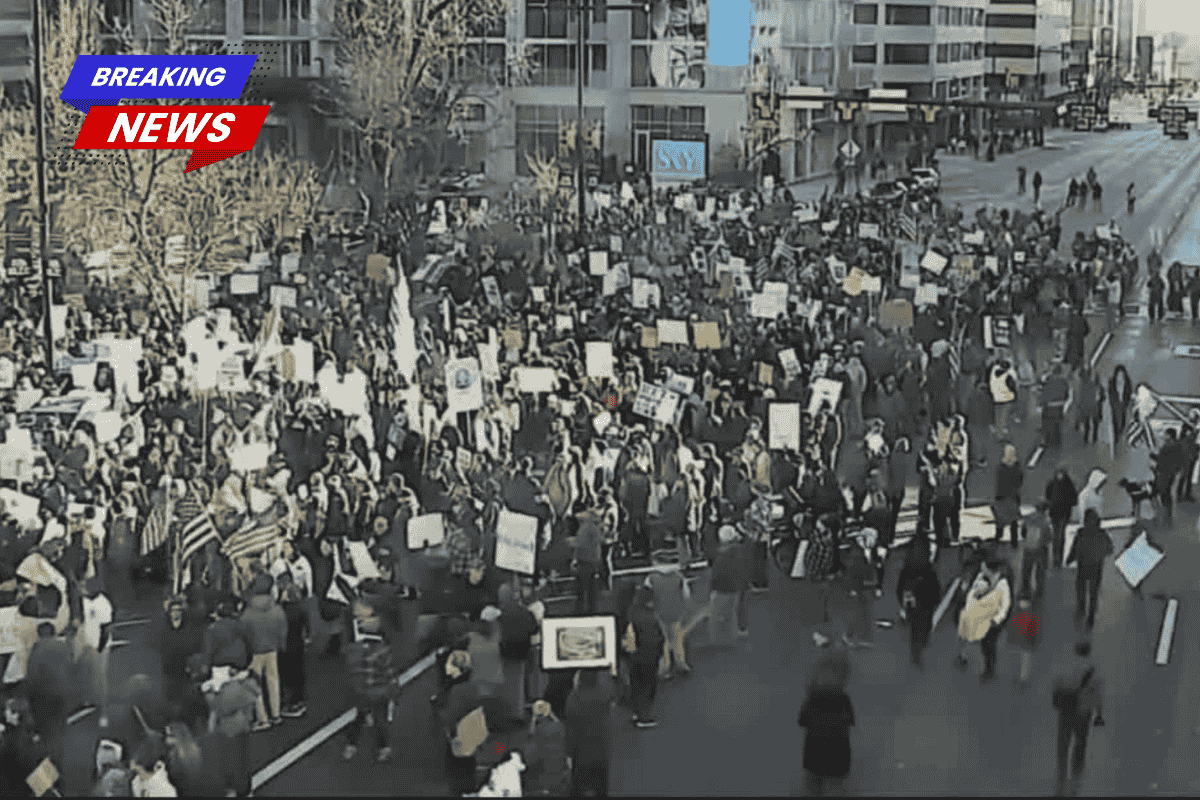
Activists and local residents dedicated the space as a memorial following the 2020 shooting of Bernardo Palacios-Carbajal, which took place near the Fleet Block and sparked widespread protests.
In response to this, city leaders pledged to include some form of memorial or artwork as part of the redevelopment process. The goal was to create a “healing spot” for the community, providing a place for reflection, dialogue, and connection. As part of this vision, the Salt Lake City Arts Council was tasked with overseeing the effort.
Artists Invited to Submit Proposals
While the final vision for the artwork remains open, the city is leaning toward creating a sculpture or environmental art installation for the space, though all forms of artwork, from murals to land-based installations, are encouraged. The call for artists is broad, targeting various artistic mediums and disciplines to ensure that a wide range of creative ideas are considered.
The city is expecting a high volume of submissions, estimating that between 100 to 200 artists will apply for the opportunity to design this major public art piece. Olmedo-González believes this will allow the arts council to find the most suitable artist for the site and the project’s intended message.
“We believe that will get us the right artist for the project and for the site,” he said.
Artists have until February 17 to submit their portfolios. After this deadline, a selection committee will review the submissions and choose a group of finalists. These finalists will then have a few months to develop detailed project ideas before a winning design is chosen, with the selected artwork expected to be unveiled later this year.
Funding and Project Timeline
The project is backed by $350,000 in funding, which comes from the $85 million general obligation bond approved by Salt Lake City residents in 2022. This bond includes additional funds for open space development alongside new city projects.
The Fleet Block art project will be a central feature of the ongoing redevelopment of the area, which aims to transform it into a welcoming space for the community while reflecting the city’s ongoing commitment to social justice.