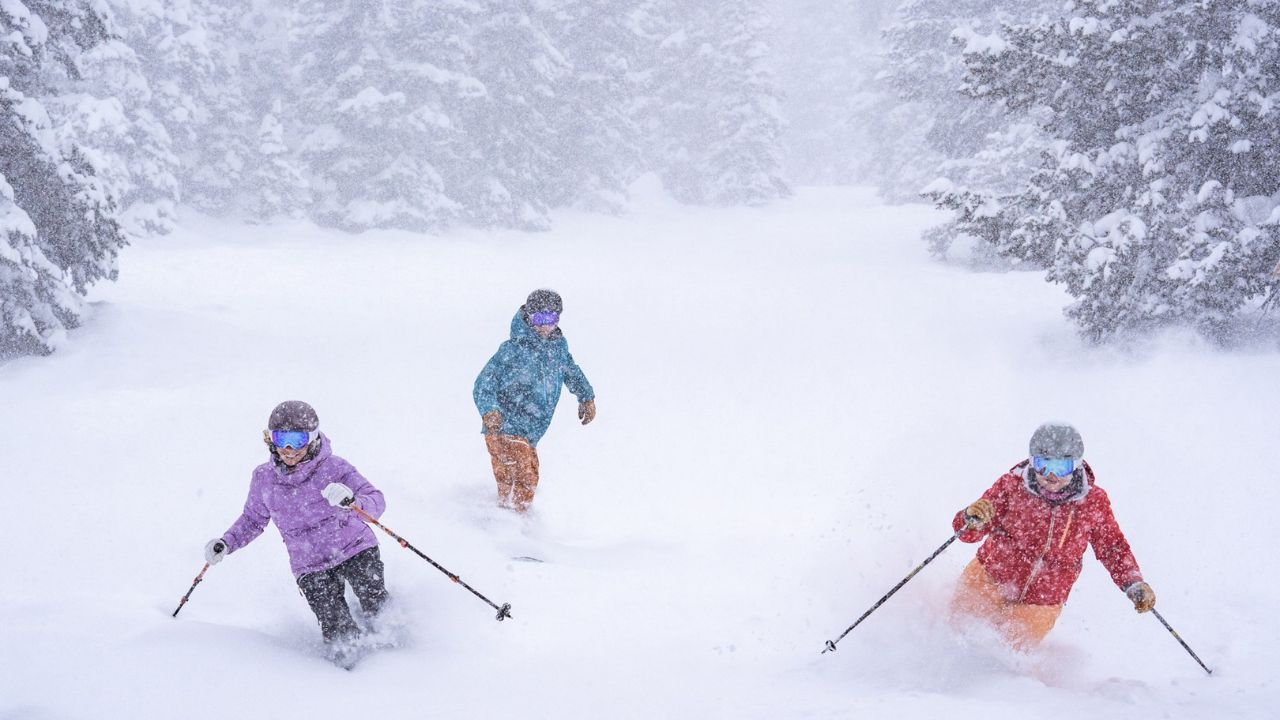
In the early 1990s, a full day of skiing at most Utah resorts cost between $20 and $40. Today, lift tickets can be six to eight times higher, depending on the resort, season, and demand. Add the price of equipment rentals, long traffic delays, and crowded slopes, and skiing can quickly become unaffordable for many families.
While there are discounts and passes that reduce costs, not everyone can justify the expense. Fortunately, missing out on skiing does not mean missing out on winter fun. Spending time outdoors during winter is essential for physical health, mental health, and emotional balance, especially when shorter days and cold weather affect mood.
One of the most affordable and rewarding alternatives is winter hiking.
Why Winter Hiking Is Growing in Popularity
Winter hiking allows people to enjoy snow-covered landscapes without the high costs of ski resorts. Trails remain open, crowds are smaller, and the experience can be just as memorable.
In early December, a cheerful group of hikers gathered in American Fork Canyon, wearing ugly Christmas sweaters, Santa hats, and festive accessories. The annual tradition, now in its seventh year, was organized by Cathy Sorensen, who believes that nature has a powerful effect on happiness.
She explains that it is nearly impossible to stay in a bad mood while hiking through beautiful winter scenery, especially when sunlight sparkles across snow-covered pine trees.
How Hiking Became a Tool for Healing
For Sorensen, winter hiking became more than a hobby. In 2020, her son was diagnosed with terminal cancer, and the emotional toll was overwhelming.
She shared that weekly hikes with friends provided emotional support, connection, and a sense of strength during the most difficult months of her life. Even through winter, hiking continued to be her outlet. After her son passed away, those outdoor experiences remained essential to her healing.
Today, she strongly recommends winter hiking as an effective way to protect mental health, reduce stress, and find comfort during hard times.
To add even more fun, Sorensen sometimes brings a small sled uphill and sleds back down, saying it makes her feel like a carefree child again.
Affordable Gear for Winter Hiking
Getting started with winter hiking does not require expensive equipment. According to experienced hikers, the right clothing matters more than brand names.
Clothing Basics
- Choose non-itchy wool or synthetic fabrics
- Avoid cotton entirely because it absorbs moisture and causes heat loss
- Dress in three layers so you can adjust as your body warms up
- Remove layers as soon as you start sweating to stay dry
Budget-friendly gear can be found at thrift stores, discount retailers, and online community groups where people sell or give away used outdoor equipment.
Footwear and Traction Tips
If snow depth is less than one foot, snowshoes are usually unnecessary. However, icy trails can be slippery.
Many winter hikers use microspikes, which fit over boots like tire chains and provide excellent traction. They are affordable, lightweight, and ideal for packed snow and ice.
Trail Safety and Responsible Hiking
Experienced hiker Steve Slessinger, who has logged more than 1,300 hiking miles in a single year, emphasizes preparation and trail care.
Essential safety tips include:
- Bring a map or navigation app such as AllTrails, Gaia, or Strava
- Carry an extra phone battery for emergencies
- Stay on marked trails to prevent environmental damage
- Pack out all trash and leave no trace
Respecting trails ensures they remain safe and accessible for everyone.
Winter Hiking as a Long-Term Health Investment
Outdoor recreation leaders highlight that time outside benefits both adults and children. Regular outdoor activity supports physical fitness, mental clarity, and eye health, especially as screen time increases.
Free and low-cost guided hikes are often available through state outdoor programs, making winter hiking even more accessible.
Weather Awareness and Avalanche Safety
Before heading out, always check the weather forecast, as winter storms can develop rapidly in Utah’s mountains.
Avalanches are a serious risk. Experts explain that slopes steeper than 30 degrees are the most dangerous. Smartphone apps can measure slope angles, helping hikers assess terrain risks.
Avalanche safety resources include:
- Daily avalanche forecasts
- Trail recommendations that avoid dangerous slopes
- Educational courses for beginners and advanced hikers
If hiking in avalanche-prone areas, essential rescue equipment includes:
- A transceiver
- A probe
- A shovel
These tools can be rented from outdoor gear shops if purchasing them is too expensive.
Start Small and Build Confidence
For beginners, all this information may feel intimidating. New winter hikers are encouraged to start with short walks, test gear, and gradually increase distance and difficulty.
Adjusting boots, gloves, and layers over time helps build comfort and confidence.
Soon, winter hiking can become a personal tradition—just like the festive group that ended their hike with a joyful snow dance, hoping for more snowfall ahead.