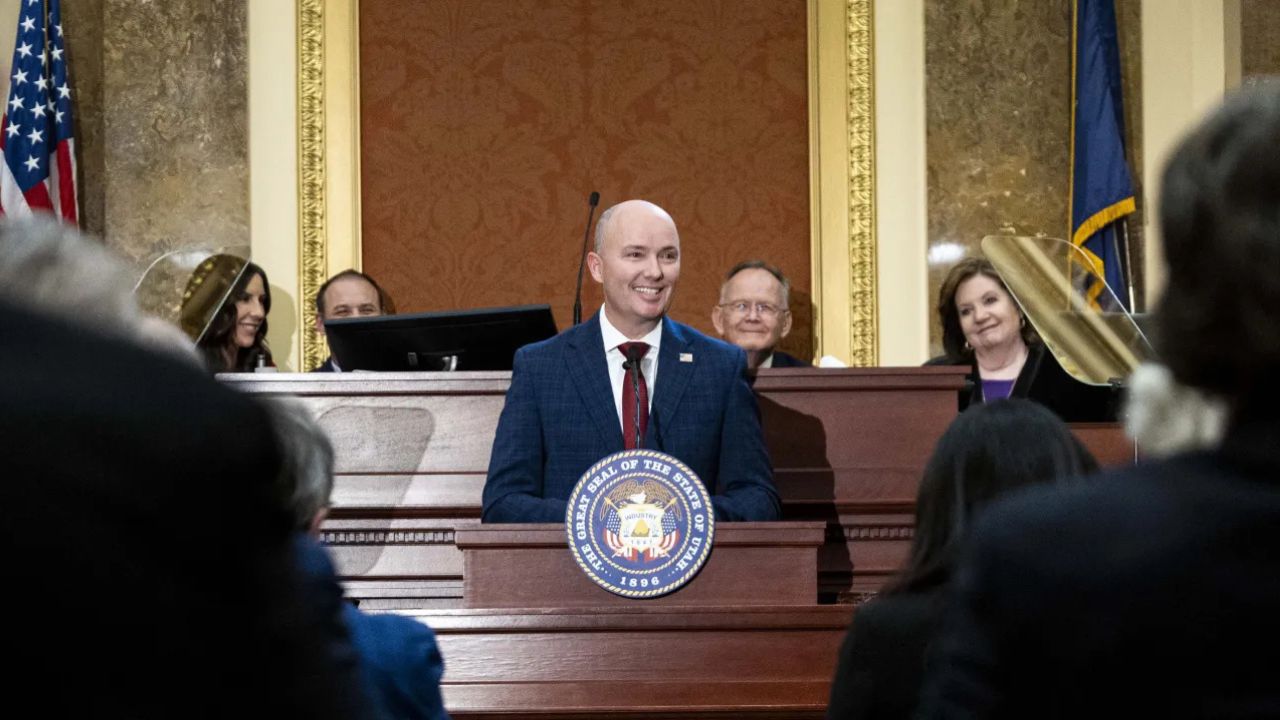
Utah Governor Spencer Cox has called a special legislative session as state lawmakers prepare to reconsider a ban on collective bargaining. The move signals heightened political momentum around labor policy, with legislators set to debate whether the current prohibition should be repealed.
Special Legislative Session Announced
Governor Calls Lawmakers Back to the Capitol
Governor Cox’s decision to convene a special session reflects the urgency surrounding the collective bargaining issue. Special sessions are typically reserved for matters requiring timely legislative action outside the regular calendar.
Focus on Collective Bargaining Policy
The session will center on examining the existing ban and determining whether it should be repealed. Lawmakers are expected to review legal, economic, and workforce-related implications before taking action.
Understanding the Collective Bargaining Ban
What the Ban Covers
The current prohibition restricts collective bargaining rights for certain public-sector employees in Utah. The policy has been the subject of debate since its implementation.
Why Repeal Is Being Considered
Supporters of repeal argue that collective bargaining can improve employee relations and workplace conditions. Opponents raise concerns about fiscal responsibility and government flexibility.
Legislative Debate and Political Reactions
Lawmakers Prepare for Deliberations
Members of the Utah Legislature are expected to present arguments on both sides of the issue during the special session. The outcome will depend on negotiations and voting within the chamber.
Public and Stakeholder Interest
Labor groups, public employees, and advocacy organizations are closely monitoring developments. The debate has drawn significant attention across the state.
Potential Impact on Utah’s Workforce
Implications for Public Employees
If the ban is repealed, affected workers could gain expanded rights to negotiate wages, benefits, and working conditions collectively.
Broader Policy Consequences
The decision could shape future labor relations in Utah and influence how the state approaches public-sector employment policies moving forward.
What Happens Next
Legislative Vote Expected
Any change to the collective bargaining ban will require legislative approval during the special session. Further steps may include implementation guidelines if repeal is approved.