A growing number of Utah Republican leaders are pushing back against President Donald Trump’s recent executive order limiting state authority over artificial intelligence regulation, arguing that states are better positioned to protect citizens while fostering innovation. The dispute highlights emerging tensions between federal authority and state sovereignty in governing rapidly evolving technology.
Executive Order Sparks Federalism Debate
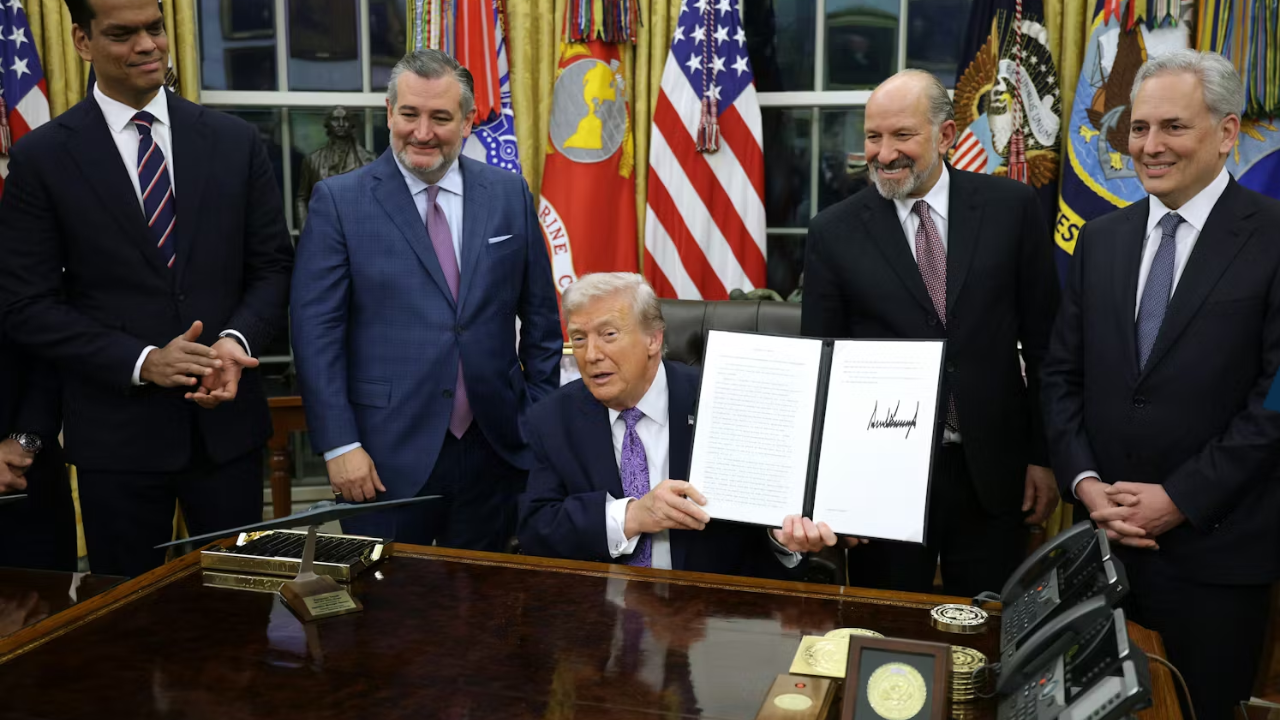
Trump signed the controversial executive order Thursday in the Oval Office, directing the attorney general to establish a task force challenging state AI regulations through the court system. The president justified the action by citing concerns that a patchwork of differing state regulations could hamper American competitiveness against China in the race to develop general artificial intelligence.
The president emphasized the economic stakes, noting that major AI investments require regulatory certainty. He argued that requiring companies to obtain approvals from all 50 states creates impossible obstacles that would drive innovation and investment overseas. Trump framed the issue as fundamentally about national security and economic competitiveness rather than regulatory philosophy.
However, several prominent Utah Republicans view the order as federal overreach that undermines state authority and threatens effective consumer protection, particularly for vulnerable populations like children.
Governor Cox Advocates State-Led Approach
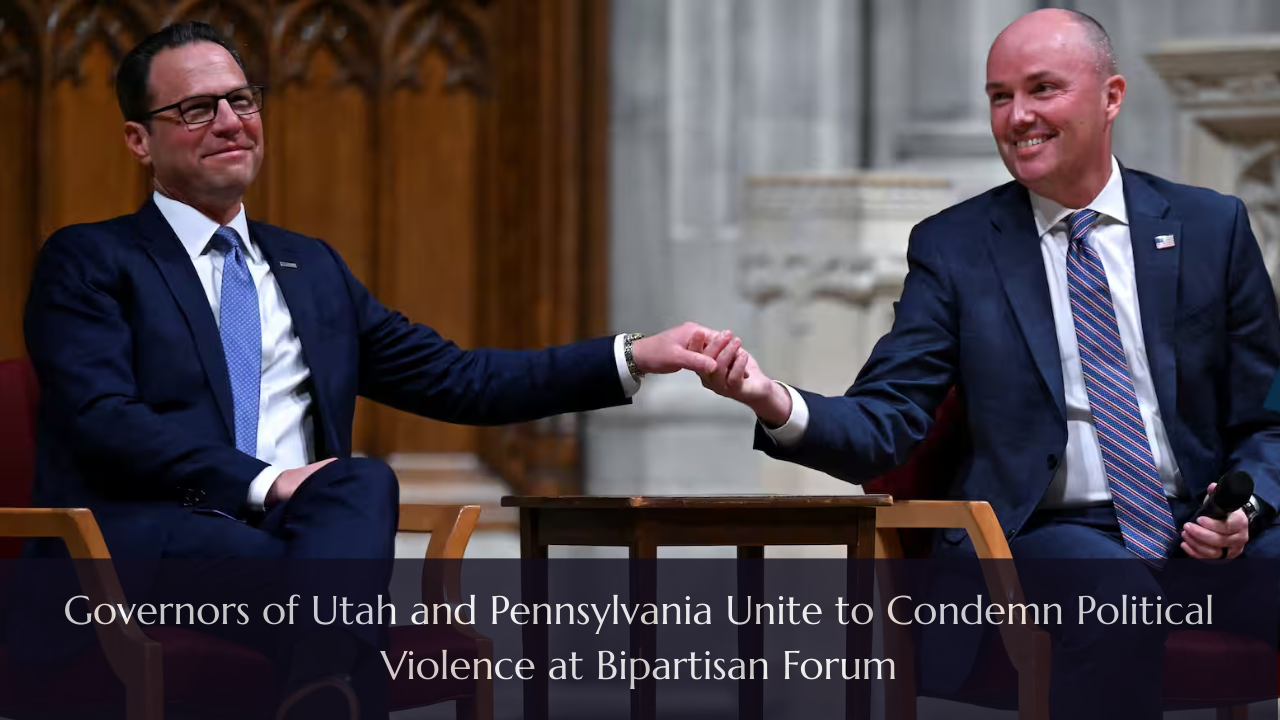
Utah Governor Spencer Cox posted his opposition on social media ahead of the executive order’s signing, outlining an alternative vision for AI governance. Cox argued that a balanced approach could simultaneously safeguard children, preserve American values, and strengthen national competitiveness in the technology sector.
The governor emphasized that states must maintain authority to protect children and families while America accelerates its AI leadership. His comments reflect broader concerns about technology’s impact on youth mental health and family wellbeing, issues Cox has championed throughout his tenure.
Last week, Cox announced a state “pro-human” AI initiative designed to leverage technology for promoting human flourishing rather than exploitation. He drew explicit contrasts with social media platforms, which he has consistently criticized for unleashing harmful effects on citizens. Cox described social media as attempting to “strip mine our souls,” language he hopes to avoid repeating with artificial intelligence.
State Lawmaker Denounces Federal Overreach
State Representative Paul Cutler, a Centerville Republican, strongly endorsed Cox’s position, rejecting what he characterized as a false choice between child safety and AI innovation. Cutler asserted that protecting children and families while supporting innovative AI development are compatible goals that don’t require sacrificing one for the other.
The legislator praised states for leading AI regulation efforts and urged federal officials to support rather than undermine state initiatives. His comments reflect frustration among state lawmakers who believe they better understand local needs and can respond more quickly to technological changes than federal bureaucracies.
Representative Doug Fiefia, a Herriman Republican, offered even sharper criticism, characterizing Trump’s order as “an overreaching act that fundamentally disregards the 10th Amendment and the necessary role of the states in technology governance.” His reference to the Tenth Amendment invokes constitutional principles reserving powers not delegated to the federal government for states.
Fiefia emphasized his support for a unified national framework but insisted such policy must emerge through proper congressional legislation ensuring full debate and transparency. He opposed unilateral executive action that threatens state authority without providing coherent federal standards as replacement.
Utah’s Progressive AI Regulatory Framework
Utah stands among just four states with comprehensive laws regulating artificial intelligence across the private sector. This pioneering legislative framework positions the state at the forefront of technology governance, providing models other jurisdictions might adopt.
The state’s regulatory approach includes establishment of an AI policy lab where government regulators collaborate with technology innovators on emerging advancements. This partnership model aims to balance innovation encouragement with appropriate oversight, avoiding both stifling regulation and dangerous laissez-faire approaches.
Utah’s laws clarify consumer protection liability standards for AI systems, addressing uncertainty about accountability when algorithms cause harm. Additionally, the legislation requires companies to disclose AI usage in sensitive sectors including finance and mental health services, ensuring transparency about automated decision-making affecting critical life areas.
These regulations reflect careful consideration of AI’s unique challenges while maintaining flexibility for technological evolution. State leaders argue this nimble, responsive approach proves superior to rigid federal mandates that struggle to keep pace with rapid innovation.
Previous Federal Attempts to Preempt State Action
Trump’s executive order represents the second recent federal attempt to curtail state AI regulatory authority. The Republican tax and spending legislation passed in July initially contained a 10-year moratorium prohibiting state AI regulations. However, bipartisan congressional opposition led to that provision’s removal from the final bill.
Representative Fiefia participated in lobbying efforts against that moratorium, demonstrating consistent commitment to preserving state regulatory power. The moratorium’s failure suggested significant congressional reluctance to completely strip states of AI governance authority, making Trump’s executive approach even more controversial.
The pattern reveals ongoing tensions between those prioritizing regulatory uniformity and those emphasizing state flexibility. Technology industry representatives generally favor federal preemption, arguing that navigating multiple regulatory regimes creates prohibitive compliance costs. State officials counter that one-size-fits-all federal rules cannot address diverse local circumstances and priorities.
Constitutional and Legal Questions
The executive order’s legal foundation remains uncertain. Florida Governor Ron DeSantis, himself a prominent Republican and former presidential candidate, noted that executive orders cannot supersede state law without congressional legislation. His observation raises questions about whether Trump’s directive possesses enforceable authority or primarily serves symbolic purposes.
DeSantis expressed skepticism that Congress could pass comprehensive AI preemption legislation, citing its deep unpopularity with voters who want protections against potential AI harms. He characterized previous congressional proposals as an “AI amnesty” that would prevent any meaningful regulation for a decade.
Legal experts suggest the executive order might face immediate court challenges from states asserting Tenth Amendment protections. The directive’s instruction for the attorney general to challenge state laws inverts typical litigation patterns, with the federal government potentially becoming plaintiff against state regulations rather than defending federal rules against state challenges.
Balancing Innovation and Protection
The fundamental policy dispute centers on whether uniform federal regulation or diverse state approaches better serve both technological innovation and citizen protection. Trump administration officials argue that regulatory fragmentation creates uncertainty deterring investment and slowing development at a crucial moment in global AI competition.
They point to China’s rapid AI advancement, suggesting America cannot afford regulatory inefficiency that might cede technological leadership to geopolitical rivals. From this perspective, sacrificing some state autonomy represents an acceptable tradeoff for maintaining national competitiveness.
State leaders counter that innovation and protection aren’t mutually exclusive. They argue that state-level regulation allows experimentation with different approaches, enabling identification of effective policies that balance competing concerns. This laboratory-of-democracy argument suggests diversity produces better long-term outcomes than premature federal standardization.
Child Safety as Central Concern
Protection of children from AI-related harms emerges as a primary motivator for state regulatory efforts. Utah leaders have emphasized concerns about AI applications in social media, gaming, and other digital environments where young people spend significant time.
Potential risks include exposure to inappropriate content generated by AI systems, manipulation through personalized recommendation algorithms, privacy violations from data collection, and psychological harms from addictive design features. State regulations aim to establish baseline protections addressing these threats.
Critics of federal preemption worry that national standards might establish inadequate minimum protections influenced by industry lobbying. State flexibility allows jurisdictions prioritizing child safety to implement stronger safeguards reflecting local values and concerns.
Technology Industry Perspectives
Major technology companies generally support federal AI regulation that would preempt state laws, viewing regulatory uniformity as essential for scalable operations. Compliance with 50 different regulatory regimes creates substantial administrative burdens and legal uncertainties that increase costs and slow deployment.
Industry representatives argue that inconsistent state rules could fragment the American AI market, undermining competitiveness against unified regulatory environments in China and the European Union. They advocate for clear federal standards that provide certainty while allowing continued innovation.
However, some technology leaders acknowledge legitimate concerns about AI risks requiring meaningful oversight. They suggest that collaborative approaches involving industry, government, and civil society might produce better outcomes than adversarial regulatory battles.
Congressional Response Uncertain
Whether Congress will address AI regulation comprehensively remains unclear. Previous attempts have stalled amid disagreements about appropriate regulatory scope and division of federal-state authority. The issue cuts across traditional partisan lines, with both parties containing members supporting stronger regulation and others prioritizing innovation freedom.
Some legislators advocate for narrow federal standards addressing specific high-risk AI applications while preserving state authority for broader consumer protection. Others prefer comprehensive federal frameworks that establish uniform rules across all AI contexts.
The political dynamics suggest that any successful federal legislation would require substantial bipartisan cooperation, making prospects uncertain in the current polarized environment. Without congressional action, the legal authority of Trump’s executive order remains questionable.
Utah’s Leadership in Technology Governance
Utah’s prominent role in this debate reflects the state’s growing importance in the technology sector and its leaders’ proactive approach to emerging challenges. The state has attracted significant technology investment while maintaining focus on family values and child protection.
This combination creates particular sensitivity to AI governance questions, as leaders seek to foster economic growth without sacrificing social priorities. Utah’s regulatory framework attempts to demonstrate that these goals can coexist through thoughtful policy design.
The state’s experience may provide valuable insights as other jurisdictions grapple with similar challenges. If Utah successfully balances innovation encouragement with meaningful protection, its model might influence both state and federal policy development.
As artificial intelligence continues advancing rapidly, the tension between federal authority and state sovereignty will likely persist. Utah Republicans’ willingness to challenge their own party’s president on this issue demonstrates the depth of commitment to preserving state regulatory power in the face of transformative technological change.