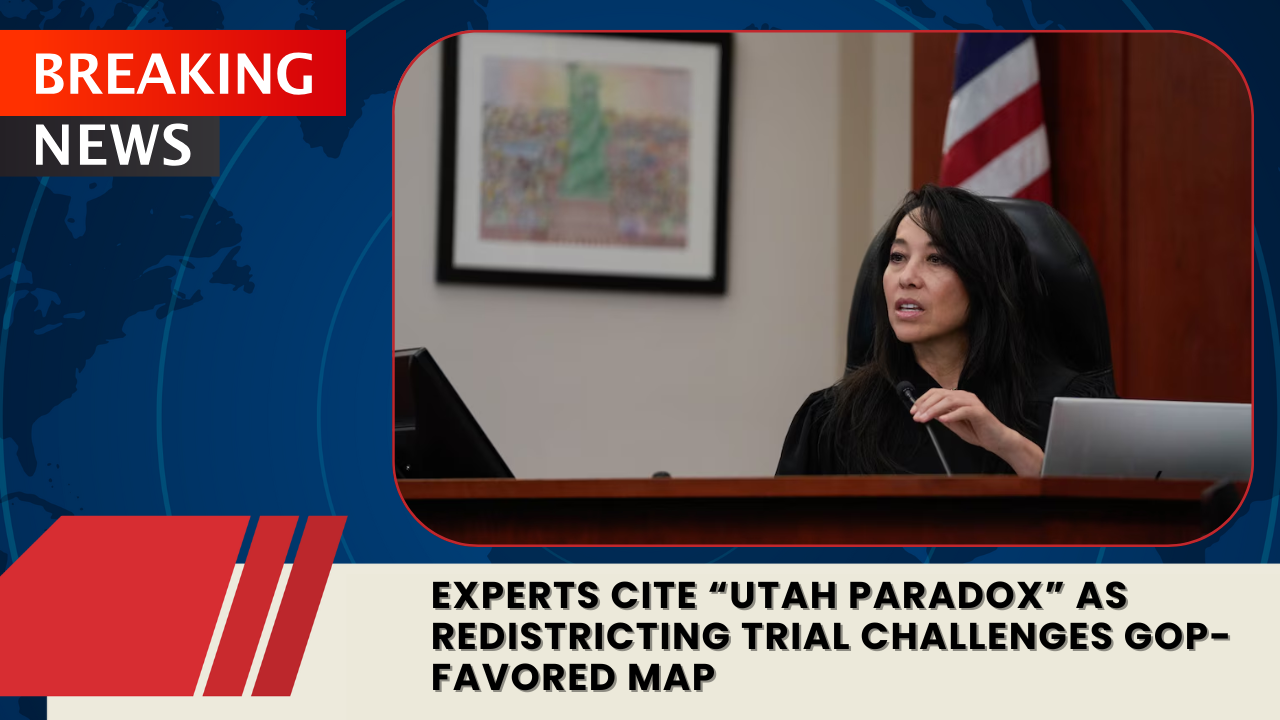
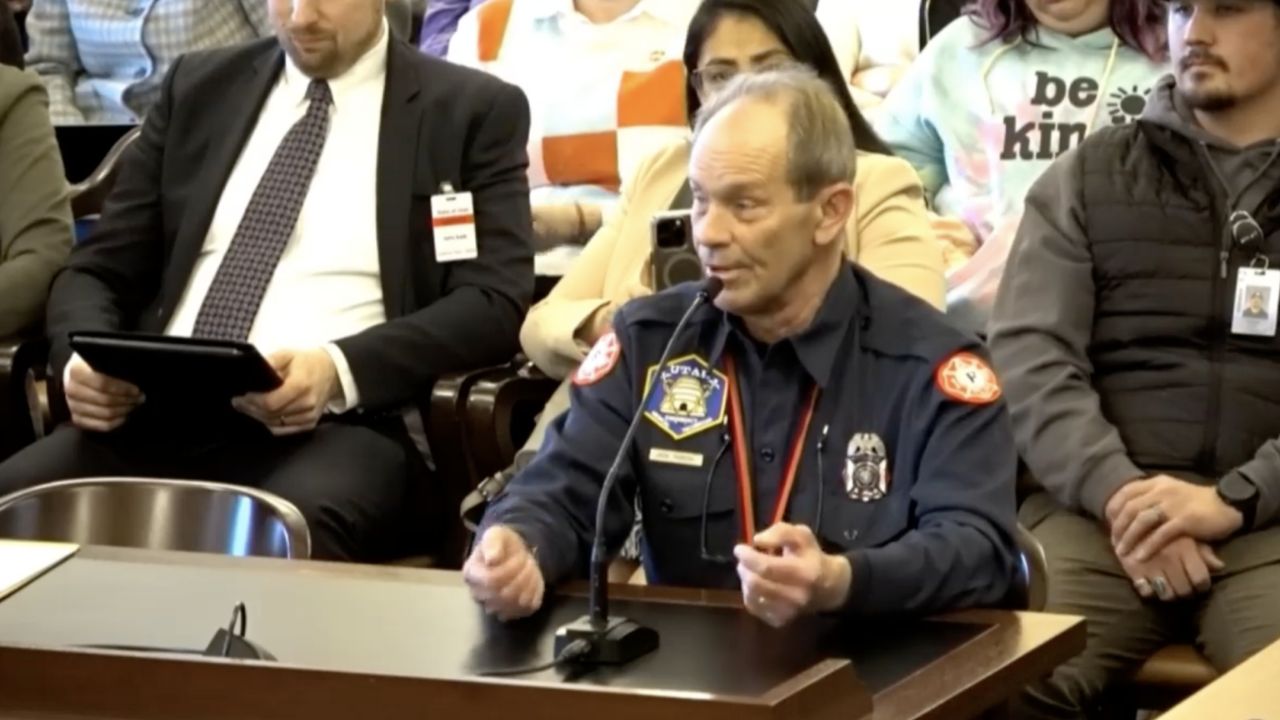
Utah has officially overturned a controversial collective bargaining ban that was approved earlier this year, restoring negotiation rights for labor unions representing teachers, firefighters, police officers, and other public employees. The reversal marks a significant shift in the state’s labor policy and comes after months of political pressure and public demonstrations.
Republican Governor Spencer Cox signed the repeal on Thursday, undoing what labor experts had described as one of the toughest labor restrictions in the United States.
Background: Why the Ban Was Introduced
The original policy was passed by Utah’s Republican-controlled Legislature in February. Lawmakers argued the ban was necessary to give employers the freedom to communicate directly with individual employees instead of negotiating through union representatives.
Although public employees were still allowed to join unions, the law prohibited those unions from formally negotiating wages, benefits, or working conditions on behalf of their members.
This move sparked immediate backlash. Thousands of union members from both public and private sectors gathered outside the governor’s office for an entire week, urging Gov. Cox to veto the bill. Despite the protests, the governor signed it into law at the time.
Mounting Opposition and Political Pressure
Resistance to the collective bargaining ban did not fade after it became law. Instead, criticism intensified in the following months. Labor groups, educators, and public safety workers continued pushing for change, arguing the law weakened worker protections and undermined fair negotiations.
During a special legislative session held this month, lawmakers ultimately voted to repeal the ban.
Republican State Representative Jordan Teuscher, who originally sponsored the House bill, supported the repeal, stating it would help “lower the temperature” and open the door to more productive discussions moving forward.
Impact on Teachers and Education Policy
Public school teachers, the largest group to use collective bargaining in Utah, were among the strongest critics of the ban. Many educators viewed it as a strategy by Republicans to reduce the influence of teachers unions and advance their own education agenda.
Teachers unions in Utah — as in several other states — have frequently opposed Republican-backed initiatives such as:
- Limiting diversity, equity, and inclusion (DEI) programs
- Expanding school choice voucher systems
- Restricting transgender bathroom access and sports participation in schools
The repeal is seen by many educators as a safeguard against policies that weaken union advocacy.
Political Timing and 2026 Elections
The decision to repeal the collective bargaining ban also carries political significance. Utah Republicans are preparing to defend all four of the state’s U.S. House seats in the 2026 midterm elections, following the adoption of a new congressional map that creates a heavily Democratic-leaning district in the Salt Lake City area.
By reversing the ban, Republican leaders may ease tensions with police officers and firefighters, groups that traditionally lean conservative but were deeply frustrated by the restriction on union negotiations.
Union Response and National Reaction
Labor leaders welcomed the repeal as a major victory.
Randi Weingarten, President of the American Federation of Teachers, along with Brad Asay, head of the union’s Utah chapter, praised the move.
They described the repeal as “a historic step in the right direction”, saying it restores respect, dignity, and a meaningful voice to Utah’s public workers.