
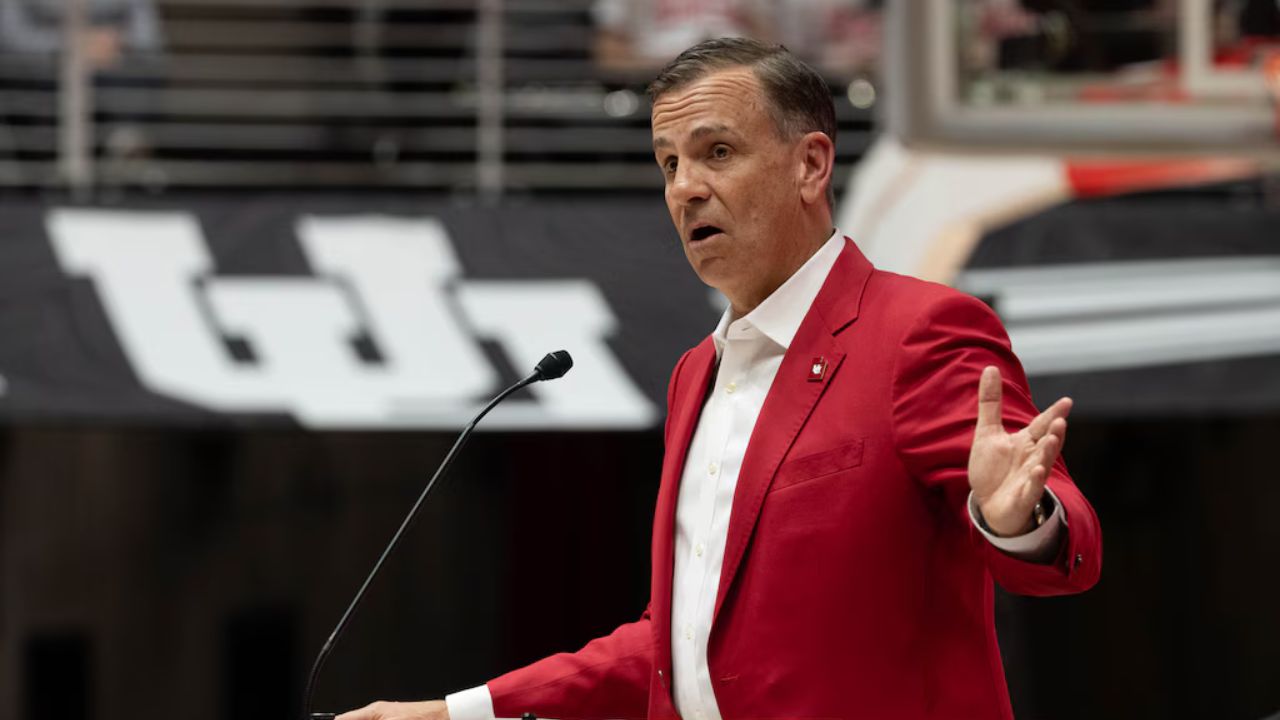
Amid escalating financial demands in college athletics, Utah’s sports programs appear increasingly dependent on private equity money that many critics view as problematic. For the University of Utah, this influx of funding is beginning to look less like a choice and more like a necessity in order to remain competitive in both football and basketball.
Why Private Equity Has Entered Utah’s College Sports Landscape
Financial Strain Across College Athletics
As college sports continue to evolve, universities face mounting expenses: athlete compensation, upgraded facilities, expanded staff, and high-profile recruitment. Traditional funding streams are no longer enough to meet the accelerating costs.
Private Equity’s Appeal
Private equity firms, with deep pockets and aggressive investment structures, are offering financial relief that schools feel pressured to accept. Despite criticism about the ethics and long-term consequences of such partnerships, the money provides immediate support in a fiercely competitive environment.
Growing Concerns Around “Dirty Money”
Ethical Questions Intensify
Many observers argue that private equity involvement introduces profit-driven motives into programs that were once centered on student development and school identity. Critics worry about the commercialization of college sports and the influence outside investors may ultimately wield.
Public Backlash and Transparency Issues
Skepticism is rising among fans, alumni, and analysts, who fear financial entanglements could compromise institutional values or reshape decision-making in ways that prioritize investors over athletes and academics.
Why Utah Believes It Has No Real Alternative
Keeping Pace With National Powerhouses
The University of Utah competes against programs backed by massive budgets and lucrative conference deals. Without new revenue sources, the Utes risk falling behind in recruiting, facility upgrades, and on-field performance.
A Forced Hand, Not a Willing Choice
University leadership appears to view private equity partnerships as a survival strategy, not an enthusiastic endorsement. In an era where money dictates competitive standing, Utah may feel boxed into taking funding wherever it is available.
What This Means for the Future of Utah Athletics
A New Era of Funding
If private equity remains embedded in college sports, Utah—and many other programs—may see long-term shifts in how athletic departments operate, generate revenue, and prioritize investments.
Ongoing Debate Likely
Arguments over the ethics and sustainability of private equity in collegiate sports are expected to intensify as more programs confront the same financial pressures.