A private meeting was recently held between the state of Utah and the U.S. Department of the Interior to discuss the management of Utah’s iconic national parks, including Zion and Bryce Canyon. The purpose of this meeting, which took place on December 1, 2025, was to improve coordination between Utah and the National Park Service (NPS) in regard to visitor use and management priorities for these public lands.
Key Objectives of the Meeting
The meeting aimed to foster collaboration between Utah officials and the NPS to align their efforts in addressing the challenges of managing national parks in the state. According to the official agenda, the primary focus was to discuss visitor management strategies that would balance local community needs with national conservation goals. The agenda also noted that the discussions would contribute valuable input towards future planning of the national parks, ensuring that both local communities and national goals are met effectively.
The meeting’s significance was also highlighted by the involvement of high-ranking officials from Utah and the Department of the Interior. Among the speakers were Utah Lt. Governor Deidre Henderson, Department of the Interior Associate Deputy Secretary Karen Budd-Falen, and other key figures such as Utah Office of Tourism and Film Commission Managing Director Natalie Randall, Utah Outdoor Recreation Director Jason Curry, and Utah State Parks Director Scott Strong. They were joined by Washington County Regional Tourism Director Heath Hansen, who presented on Zion National Park, and Public Lands Policy Coordinating Office Director Redge Johnson, who focused on Bryce Canyon and Grand Canyon national parks.
Controversy Over Secrecy and Lack of Transparency
Despite the presence of numerous state and federal officials, the meeting’s closed-door nature sparked criticism. The Southern Utah Wilderness Alliance (SUWA) issued a press release accusing the state of intentionally bypassing Utah’s open meeting laws by limiting the number of invited officials. This, they argued, allowed the state to avoid making the proceedings public, thus circumventing transparency.
Neal Clark, SUWA’s Wildlands Director, condemned the meeting, calling it an effort by Utah politicians to gain control over the management of national parks like Zion, Arches, and Bryce Canyon. He warned that such actions could lead to the overrun of these parks by off-road vehicles and uncontrolled visitation. Clark expressed concerns that the state’s agenda is a “power grab” that could undermine the protection of these treasured national parks and public lands.
State Officials Respond to Criticism
In response to the criticisms, Springdale Mayor Barbara Bruno and other local officials downplayed concerns about a potential land grab. Bruno clarified that, contrary to speculation, the meeting did not discuss transferring control of the national parks to the state. Instead, the discussions were centered on positive partnerships and strategies to handle the challenges posed by rising visitor numbers.
Heath Hansen, the Washington County Tourism Director, echoed this sentiment, emphasizing that the meeting was focused on finding solutions to Zion’s visitation issues and improving collaboration with the local communities rather than discussing land ownership or control.
Focus on Future Planning for National Parks
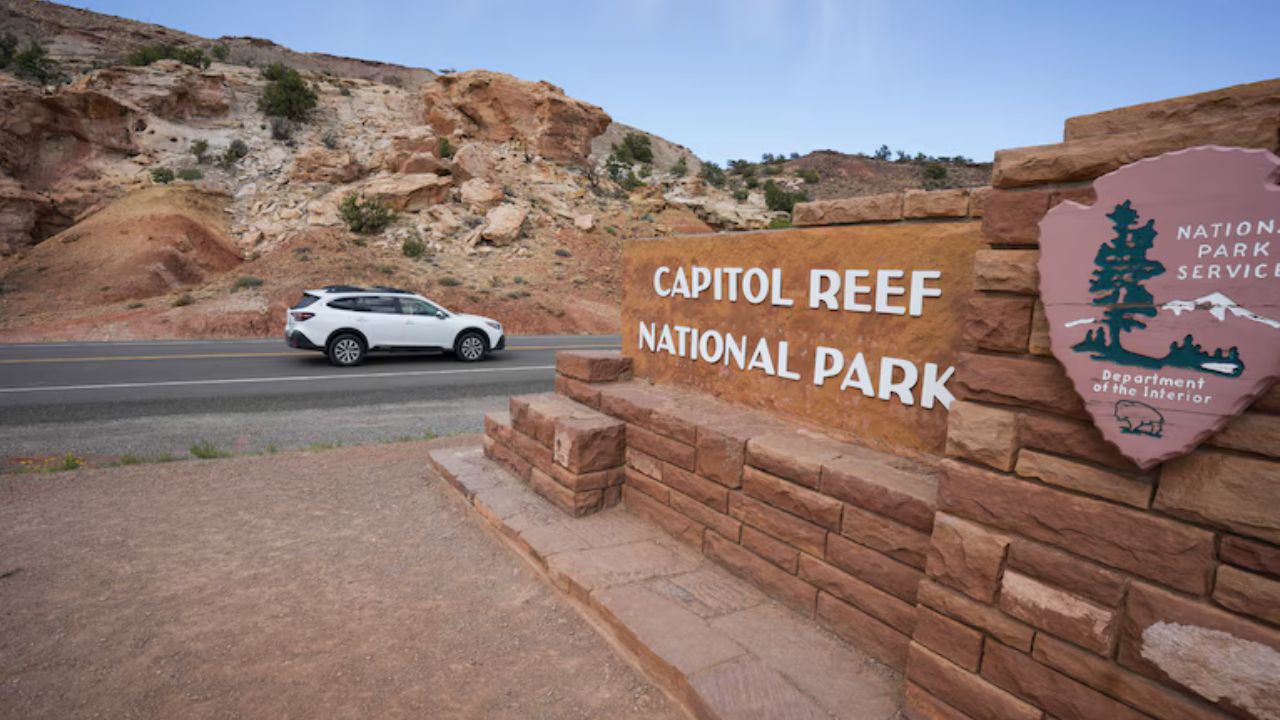
During the meeting, much of the conversation revolved around improving access to national parks and enhancing visitation experiences. Discussions included proposals to avoid implementing reservation systems or timed entry at popular parks like Zion and Grand Canyon, along with calls for the North Rim of the Grand Canyon to remain open year-round. Additionally, officials expressed interest in allowing off-highway vehicles (OHVs) on certain remote park roads, particularly in areas like Canyonlands and Capitol Reef, to increase access.
One proposal introduced at the meeting involved a resolution to keep national parks open during a potential government shutdown. This resolution will likely be voted on by the Utah state legislature in the coming year.
Balancing Tourism and Local Impact
The meeting also shed light on the local impact of tourism on communities such as Springdale, which borders Zion National Park. Mayor Bruno shared concerns about the challenges posed by overcrowding, particularly during peak tourist seasons. While she acknowledged the economic importance of Zion, she pointed out that the influx of visitors often leads to severe congestion on the single road entering and exiting Springdale. This congestion not only disrupts daily life but also poses public safety risks, as emergency vehicles can struggle to navigate through traffic.
Bruno expressed support for a reservation system similar to the one used during the COVID-19 pandemic, which helped manage the flow of visitors and allowed businesses in Springdale to thrive. However, she emphasized that a complicated reservation system would not be ideal, and that a system that encourages staggered arrivals would be a better solution to mitigate congestion.