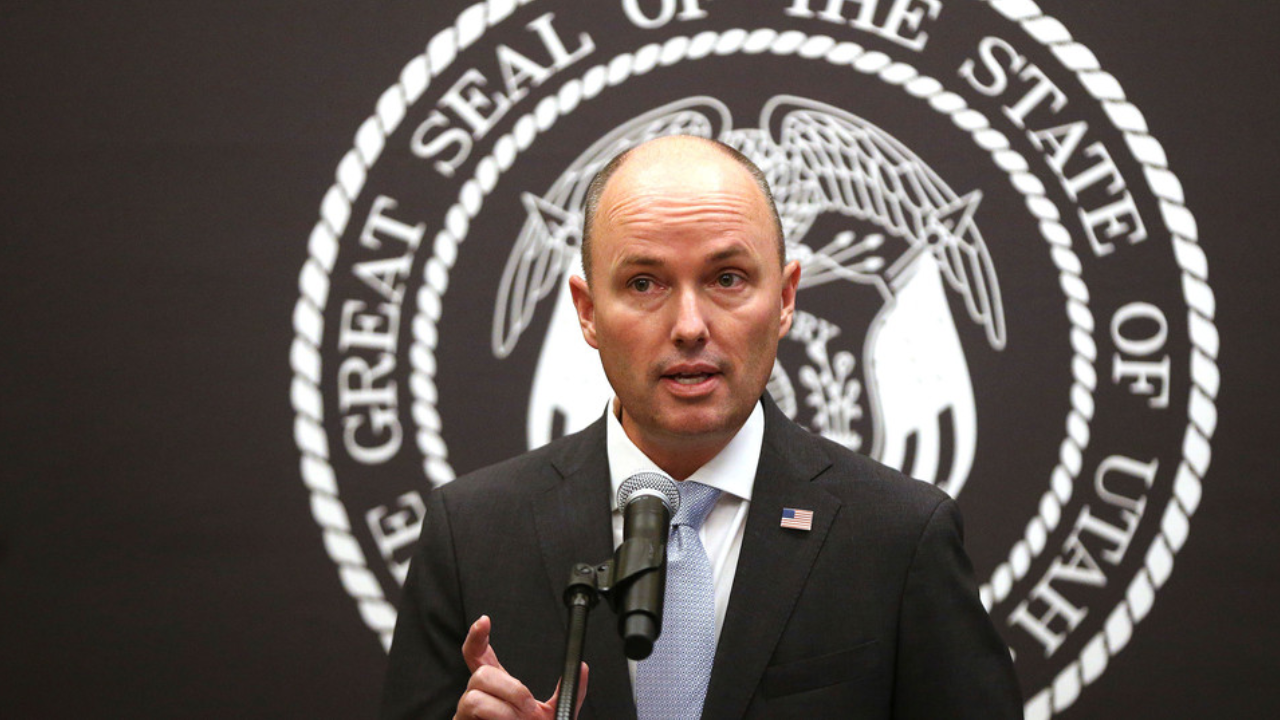
A 63-year-old Payson resident faces serious charges after allegedly threatening violence against multiple state officials, including Governor Spencer Cox, highlighting ongoing concerns about security for elected representatives.
Arrest Following Threats to State Capitol
Douglas Wilford Pace was taken into custody Friday and booked into Utah County Jail on charges of Threats of Terrorism, Violence, and Assault on Elected Officials. The arrest followed threatening phone calls made to the Utah State Capitol on Thursday.
According to documents filed by Utah Highway Patrol, Pace contacted the Utah Senate’s main office requesting to speak with Senate President J. Stuart Adams. When a legislative assistant explained Adams was unavailable, Pace became verbally aggressive.
During the escalating conversation, Pace allegedly stated he intended to obtain a weapon and shoot Governor Cox, Lieutenant Governor Deidre Henderson, and Senate President Adams. The specific nature of the threats included statements about needing to “erase them from the earth,” according to arrest documents.
Pattern of Concerning Behavior
Law enforcement records indicate this arrest represents part of a disturbing pattern rather than an isolated incident. Pace has documented history of harassing Utah elected officials spanning multiple years.
A cease-and-desist order currently prohibits Pace from contacting the Lieutenant Governor’s Office. The Governor’s Office has implemented call screening procedures for Pace’s numbers for the past four years, suggesting long-standing concerns about his communications.
Recent incidents demonstrate escalating behavior. On December 1, Pace allegedly called the Governor’s Office fifty times in a single day. Arresting officers noted the calls became progressively more hostile and aggressive throughout that day.
Prior Legal History
This marks the second time Pace has faced charges related to threatening elected officials. He was previously charged with similar offenses in 2018, though details of those charges remain limited in public records.
Following his 2018 arrest, Pace entered a plea in abeyance agreement in 2022. Under such agreements, defendants admit sufficient evidence exists for conviction while deferring formal entry of guilty pleas. Some charges from the earlier case were dismissed as part of that resolution.
The plea in abeyance typically includes conditions defendants must follow to avoid conviction. Pace’s current arrest suggests either violation of those conditions or new offenses occurring after the agreement’s completion.
Mental Health Considerations
Arrest documents reference potential underlying factors contributing to Pace’s threatening behavior. Officers noted information suggesting Pace may have suffered a traumatic brain injury, which could influence his actions and statements.
Law enforcement requested mental health screening for Pace before trial proceedings. This evaluation would assess his mental competency and any conditions potentially affecting his behavior or ability to stand trial.
Brain injuries can significantly alter personality, impulse control, and judgment. While such conditions don’t excuse criminal behavior, they may inform appropriate legal responses and treatment needs alongside prosecution.
Security Measures for Elected Officials
The incident underscores ongoing challenges surrounding elected official security. State capitols across America have implemented enhanced security protocols in recent years responding to increased threats against public servants.
Utah’s State Capitol building maintains security screening and law enforcement presence. However, officials must balance accessibility to constituents with protection from individuals making credible threats.
Call screening procedures, like those implemented for Pace’s contacts with the Governor’s Office, represent one layer of protection. These systems flag known problematic callers while allowing legitimate constituent communications to reach officials and staff.
Current Legal Status
Pace remains held in Utah County Jail without bail as of Sunday morning. The decision to deny bail reflects the serious nature of terrorism-related charges and potential danger to named officials.
Threats against elected officials carry severe legal consequences under Utah law. The specific charge of Threats of Terrorism represents a second-degree felony, carrying potential penalties including lengthy prison sentences.
His case will proceed through Utah’s court system, with mental health evaluations likely influencing both prosecution strategy and potential sentencing considerations if convicted.
Broader Context of Political Threats
This arrest occurs within a national environment of increasing threats against public officials at all government levels. The U.S. Capitol Police and FBI have documented rising incidents of threats, harassment, and violence targeting elected representatives.
State-level officials face similar pressures as their federal counterparts. Local accessibility often makes state legislators and governors more directly reachable by constituents, creating both democratic benefits and security vulnerabilities.
Governor Cox has maintained relatively open engagement with Utah residents throughout his tenure. His administration emphasizes responsive governance and constituent accessibility despite inherent security risks that approach entails.
Legislative Response to Official Threats
Utah lawmakers have considered legislation strengthening penalties for threatening elected officials and improving security infrastructure at state facilities. These discussions balance protecting public servants with preserving government transparency and accessibility.
The Capitol building underwent significant security upgrades following national events and local incidents. Additional measures continue under evaluation as threat assessments evolve.
Staff members, like the legislative assistant who received Pace’s threatening call, often serve as first points of contact for agitated constituents. Training programs help employees recognize escalating situations and implement appropriate responses including law enforcement notification.
Impact on Government Operations
Incidents like Pace’s threats create ripple effects beyond immediate security concerns. Staff time dedicated to managing threatening individuals diverts resources from constituent services and policy work.
Elected officials and their teams must weigh each communication for potential danger while maintaining responsiveness to legitimate constituent concerns. This challenging balance becomes more difficult as threatening communications increase in frequency and severity.
The decision to implement call screening for specific individuals reflects necessary precautions while potentially limiting those individuals’ ability to engage with representatives on legitimate issues.
Next Steps in Legal Proceedings
Pace will undergo mental health evaluation as requested in arrest documents. Results will inform his competency to stand trial and potential treatment recommendations.
Prosecutors will review evidence including recorded phone calls, witness statements from legislative staff, and documentation of Pace’s history with officials. The strength of this evidence will shape charging decisions and plea negotiations.
If mental health issues contributed significantly to his behavior, courts may consider treatment-focused sentencing alternatives alongside or instead of traditional incarceration, depending on evaluation findings and public safety assessments.
The case highlights complex intersections between mental health, public safety, and criminal justice that courts increasingly navigate when addressing threats against public officials.