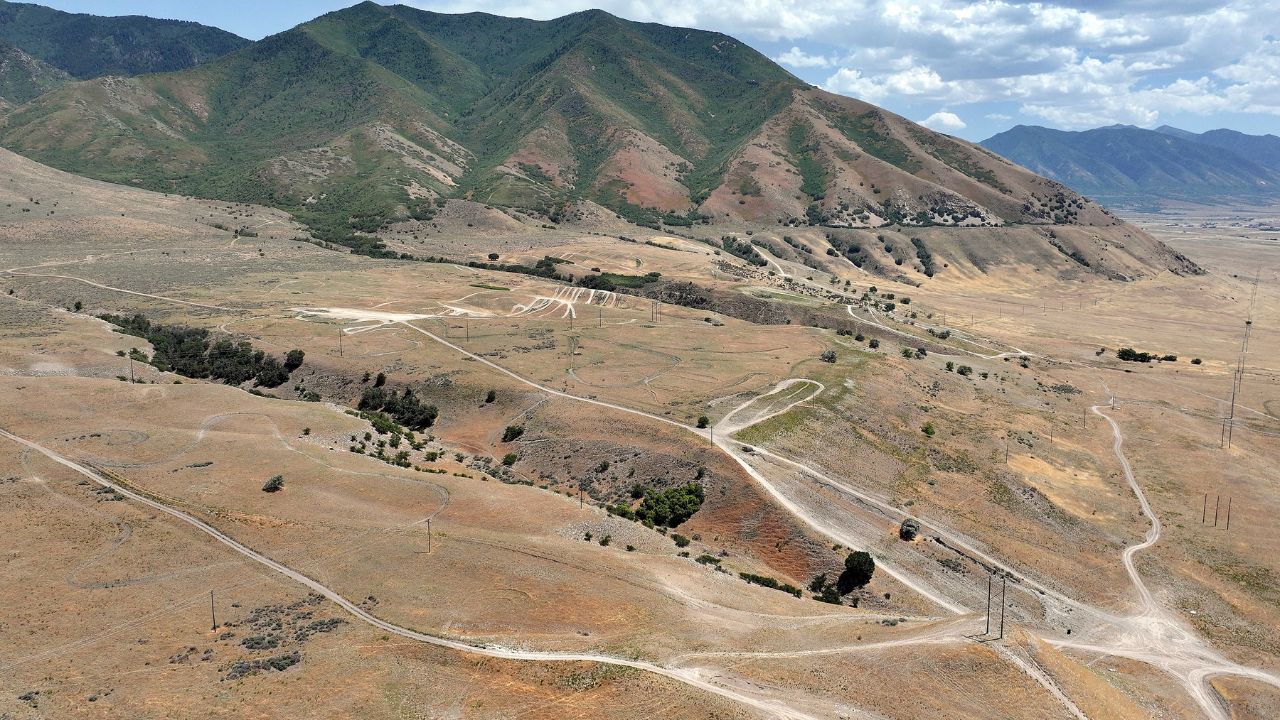
Utah Governor Spencer Cox has made it clear that the state faces an unprecedented surge in electricity demand. Estimates suggest Utah could need as much power in the next five years as it produced throughout the entire last century. This dramatic rise is driven by rapid population growth, along with efforts to attract data centers and AI developers to strengthen Utah’s economy.
To prepare for this future, Cox launched Operation Gigawatt in 2024, a sweeping initiative aimed at doubling Utah’s energy production within ten years. While initial details were limited, the governor emphasized an “any-of-the-above” energy strategy, meaning the state would pursue all viable energy sources rather than relying on just one.
Operation Gigawatt and the “Any-of-the-Above” Strategy
Under Operation Gigawatt, Utah’s leadership promotes a diverse energy mix. The plan highlights nuclear and geothermal power as long-term pillars of the state’s energy future. Cox has repeatedly stressed that Utah must expand its energy capacity to remain competitive, especially as AI and advanced technology industries consume vast amounts of electricity.
However, despite this inclusive vision, the policy direction taken by Utah lawmakers has created tension—particularly around solar energy, which has been the fastest-growing energy source in the state.
Utah Legislature’s Sharp Turn Against Solar Power
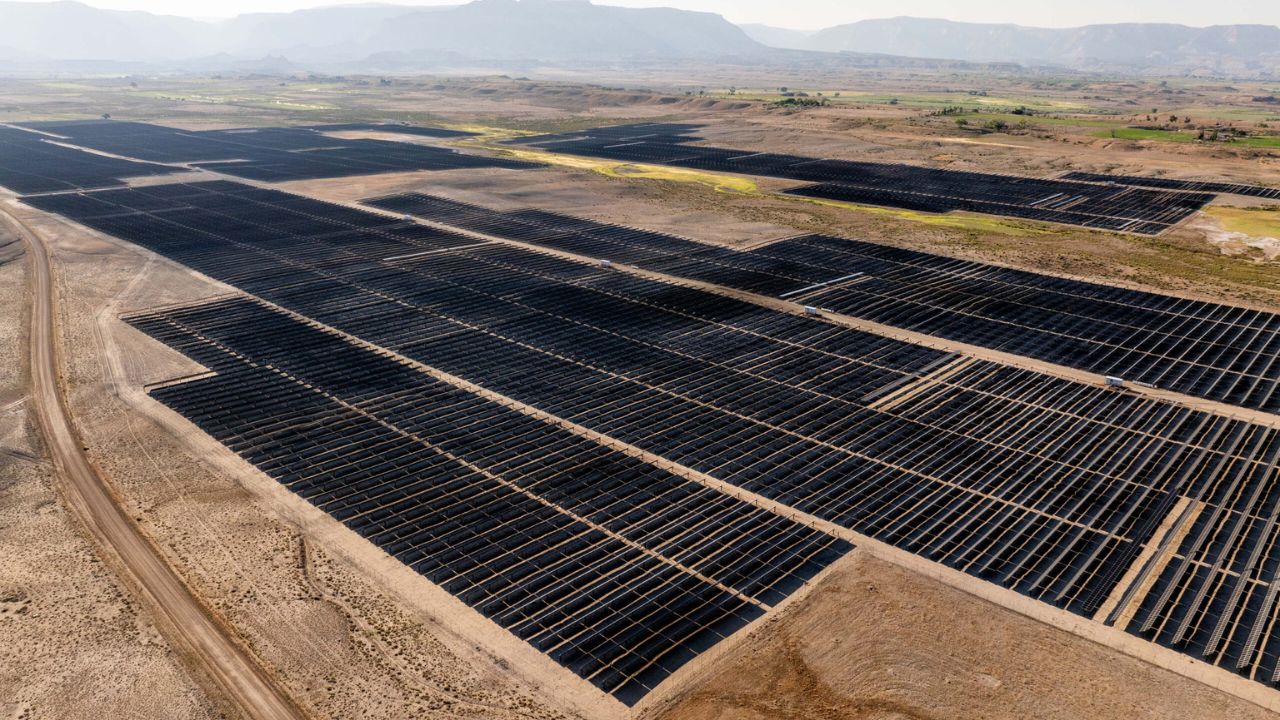
Although solar power accounts for nearly two-thirds of new projects waiting to connect to Utah’s power grid, the Republican-controlled Utah Legislature has moved aggressively to restrict its growth. With Governor Cox’s approval, lawmakers passed two major bills in 2025 that significantly impact solar development:
- Elimination of state solar development tax credits
- Introduction of a new, substantial tax on solar energy generation
A third bill, which sought to limit solar installations on agricultural land, narrowly missed the legislative deadline. Lawmakers are expected to reintroduce it next year, signaling that solar energy will remain under scrutiny.
Solar Industry Pushback and Last-Minute Compromises
The speed and scale of these legislative changes shocked many within the solar industry. In their original form, the bills could have effectively stopped new solar projects in Utah. Only intense lobbying efforts by solar developers led to revisions that reduced the tax burden and protected existing and under-construction projects.
One industry insider explained that solar companies exhausted nearly all their political influence just to reach a compromise that allowed current developments to move forward. As a result, many developers are now considering shifting investments to more solar-friendly states. ProPublica interviewed several anonymous industry sources who expressed concern about retaliation from lawmakers as further legislation looms.
National Politics Add Pressure on Renewable Energy
Utah’s anti-solar shift mirrors broader national trends. Former President Donald Trump adopted a more confrontational stance toward renewable energy than his predecessor, ordering a phaseout of federal solar and renewable tax incentives that had expanded under the Biden administration. Industry experts agree that losing federal incentives poses a greater threat to solar companies than Utah’s state-level tax changes.
Trump’s administration also canceled large-scale wind and solar projects, with Trump labeling renewables as a “scam of the century” and even calling solar “farmer killing.”
Cox Breaks Silence on Nevada Solar Cancellation
Despite generally avoiding public political battles, Governor Cox openly criticized the Trump administration’s decision to halt the Esmeralda 7 solar project in Nevada. The proposed project covered 62,300 acres of federal land and was expected to generate 6.2 gigawatts of electricity—enough to power nearly eight times the number of homes in Las Vegas.
When news broke that the environmental review was canceled, Cox warned on social media that such decisions threaten America’s competitiveness. He argued that abandoning large-scale renewable projects risks losing the global AI and energy race, particularly against China. Still, Cox did not publicly challenge his own Legislature’s anti-solar actions.
Why Utah Republicans Remain Skeptical of Solar Energy
Many Utah Republican lawmakers have long questioned solar power, citing concerns about land use, reliability, and the decline of coal-fired power plants. Several rural counties depend heavily on coal mining for jobs and local revenue, making the transition away from fossil fuels politically sensitive.
While skepticism existed for years, it did not translate into successful legislation until 2025, when lawmakers capitalized on a shifting political climate. According to Steve Handy, Utah director of The Western Way, this anti-solar sentiment is spreading across red states, creating uncertainty for renewable energy development nationwide.
Challenges to an All-of-the-Above Energy Policy
The growing resistance to solar power complicates Utah’s all-of-the-above energy approach. Solar energy can be deployed quickly on Utah’s abundant, sun-rich land, while nuclear power projects often take a decade or more to become operational. Geothermal energy also requires long-term planning and investment.
Governor Cox has stated that he supports solar energy “in the right places,” especially when paired with battery storage systems that allow power distribution during nighttime or cloudy conditions.
Cox’s Role in Moderating Anti-Solar Legislation
Rather than vetoing the controversial solar bills, Cox says he used his influence to soften their impact. He acknowledged that earlier versions of the legislation would have been far more damaging to the solar industry. While he did not specify the exact changes he pushed for, Cox maintains that solar power will continue to exist in Utah, even under stricter rules.
Nuclear and Geothermal Take Center Stage
Cox’s long-term energy vision places heavy emphasis on nuclear and geothermal power. Recently, he announced plans for a small modular reactor manufacturing hub in Brigham City, aiming to establish Utah as a regional nuclear supply chain leader.
Additionally, during a trade mission to New Zealand, Cox signed an agreement to collaborate on geothermal energy development, further signaling where Utah’s energy priorities lie as Operation Gigawatt gradually unfolds.