
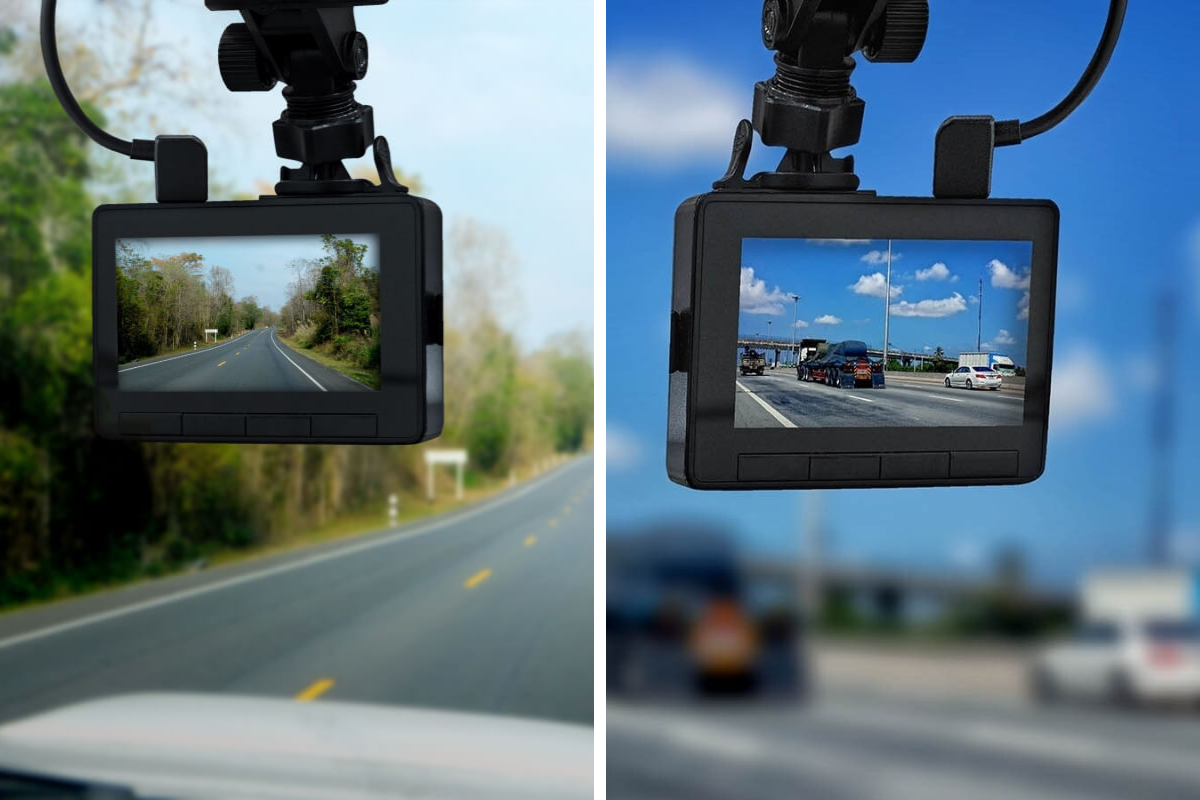
Dash cams are legal in Nevada but must comply with strict rules on mounting, visibility, and audio recording to avoid fines or inadmissible evidence. These regulations prioritize road safety and privacy under state vehicle codes.
Legality Overview
Dash cameras, or dash cams, are permitted for personal vehicles in Nevada, providing valuable evidence for accidents or insurance claims.
However, drivers must adhere to Nevada Revised Statutes (NRS) governing vehicle equipment and obstructions, primarily NRS 484D.435, which prohibits any material blocking the driver’s clear view through the windshield or windows. No statewide mandate requires dash cams, but improper installation can lead to citations for obstructed vision.
Mounting Requirements
Dash cams cannot obstruct the driver’s view and are typically limited to specific windshield areas or the dashboard. Allowed placements include a 5- to 7-square-inch area in the lower corner of the windshield—passenger side preferred—and must be smaller than a 6-inch square.
Dashboard mounting avoids windshield issues entirely and is recommended for compliance. Professional installation is advised to ensure no interference with airbags or controls.
Audio Recording Rules
Nevada follows a one-party consent law for in-person audio under NRS 200.650, allowing recording if the driver consents, but sources conflict on wire communications (NRS 200.620), with some calling it all-party for phones.
To avoid disputes, inform passengers verbally or via signs like “Vehicle is recording audio and video.” Non-compliance risks privacy lawsuits or excluded evidence in court.
Using Footage as Evidence
Dash cam video is admissible in Nevada courts if legally obtained, proving fault in accidents or supporting claims.
Clear, unaltered high-definition footage strengthens cases, but it can backfire if showing driver violations like speeding. Consult an attorney before submitting, as footage from obstructed cams may be challenged.
Commercial and Rideshare Vehicles
Commercial trucks follow federal FMCSA rules plus Nevada standards, often requiring dash cams with strict mounting.
Rideshare drivers like Uber aren’t mandated but many use them; audio consent remains key for passengers. Windshield limits apply similarly, with potential employer policies adding layers.
Best Practices and Penalties
Mount securely in permitted spots, disable audio if unsure, and back up footage regularly. Violations of NRS 484D.435 incur fines up to $250 for obstructed views, escalating for repeats.
Signs or broadcasts notify passengers, enhancing admissibility. As of 2026, no major updates alter these rules, but check local ordinances in Las Vegas or Reno.
SOURCES :
- https://mocobizscene.com/us-news/understanding-dash-cam-regulations-in-nevada
- https://courtroomproven.com/blog/is-it-legal-to-have-a-dashboard-camera-in-my-car/