
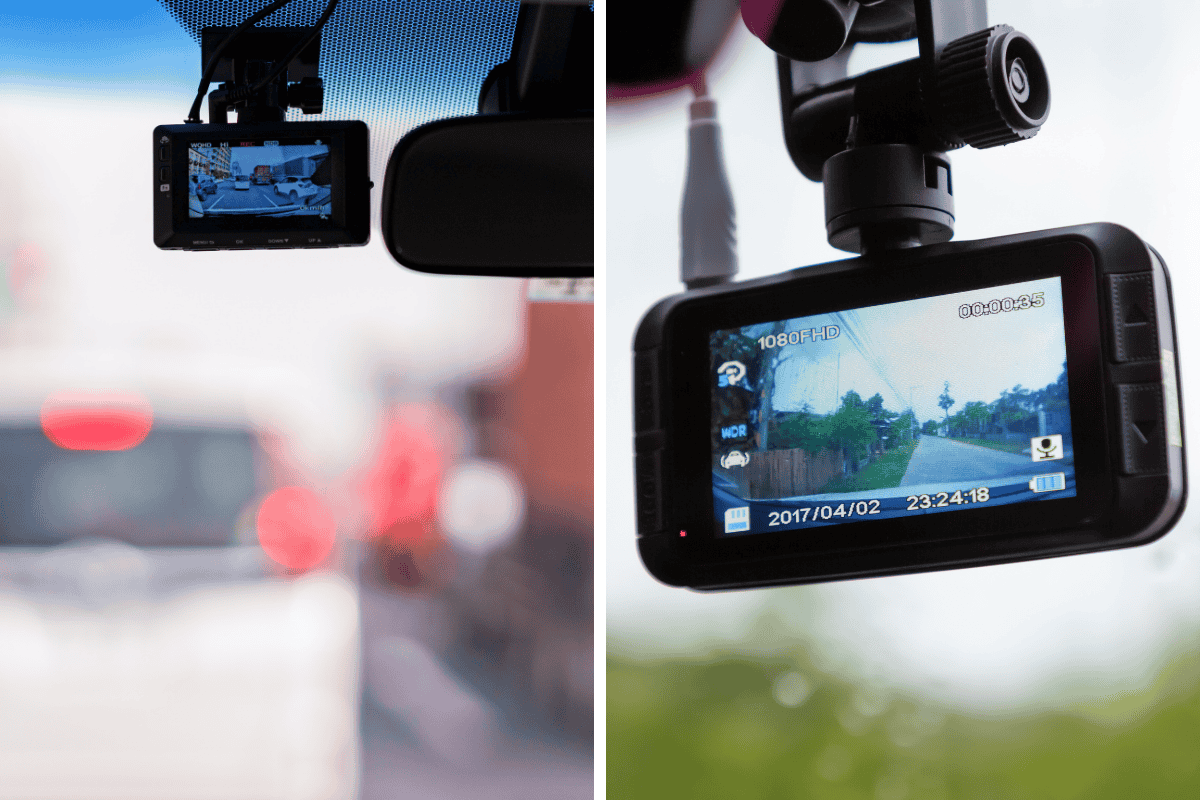
Dash cams are legal in Alabama with specific restrictions on mounting and audio recording to ensure driver safety and privacy. State law prohibits attachments on windshields that obstruct views, so suction-cup mounts are banned, but dashboard placement is allowed if unobstructed. Alabama follows all-party consent for audio, meaning everyone recorded must agree, and footage remains admissible in court when legally obtained.
Mounting and Visibility Rules
Alabama Code § 32-5-215 bans any material or device on the front windshield or side windows that impairs clear highway vision, targeting safety hazards.
Suction-cup dash cams violate this outright, as they affix to glass; instead, use adhesive dashboard mounts or clips behind the rearview mirror without blocking sightlines. Rearview mirror integration or low-profile units under 5 square inches minimize issues, aligning with nationwide trends against view obstruction.
No size limits exist beyond non-obstruction, but troopers enforce via tickets up to $100 for first offenses, escalating for repeats.
Audio Recording Requirements
Alabama requires all-party consent for audio under wiretapping laws (Ala. Code § 13A-11-30), prohibiting secret recordings of private conversations. Dash cams capturing passenger voices demand prior notification or consent; disable audio or use video-only modes for compliance. Public road footage generally qualifies as fair game, but private property glimpses risk eavesdropping charges if intrusive.
Violations carry misdemeanor penalties: up to one year jail and $6,000 fines.
Privacy and Public Use
Recordings on public roads hold no expectation of privacy, proving invaluable for accidents, insurance claims, or disputes. Courts admit dash cam evidence routinely, often swaying fault determinations or debunking fraud. Law enforcement dash cams face separate rules; 2025 Senate Bill 24 proposes public access within 30 days of requests, building on HB 289’s subject-only disclosures.
Commercial fleets must notify drivers and secure footage per FMCSA guidelines.
Enforcement and Best Practices
State troopers and locals cite obstructions during routine stops, with no statewide registration needed. Opt for compact models like Garmin or Thinkware, positioned low-center dashboard; test angles pre-drive. Regular wipes prevent glare tickets under tint laws (Ala. Code § 32-5-211).
SOURCES:
- https://matrackinc.com/dash-cam-laws-by-states/
- https://www.gpsinsight.com/blog/are-dash-cameras-legal-in-commercial-vehicles/