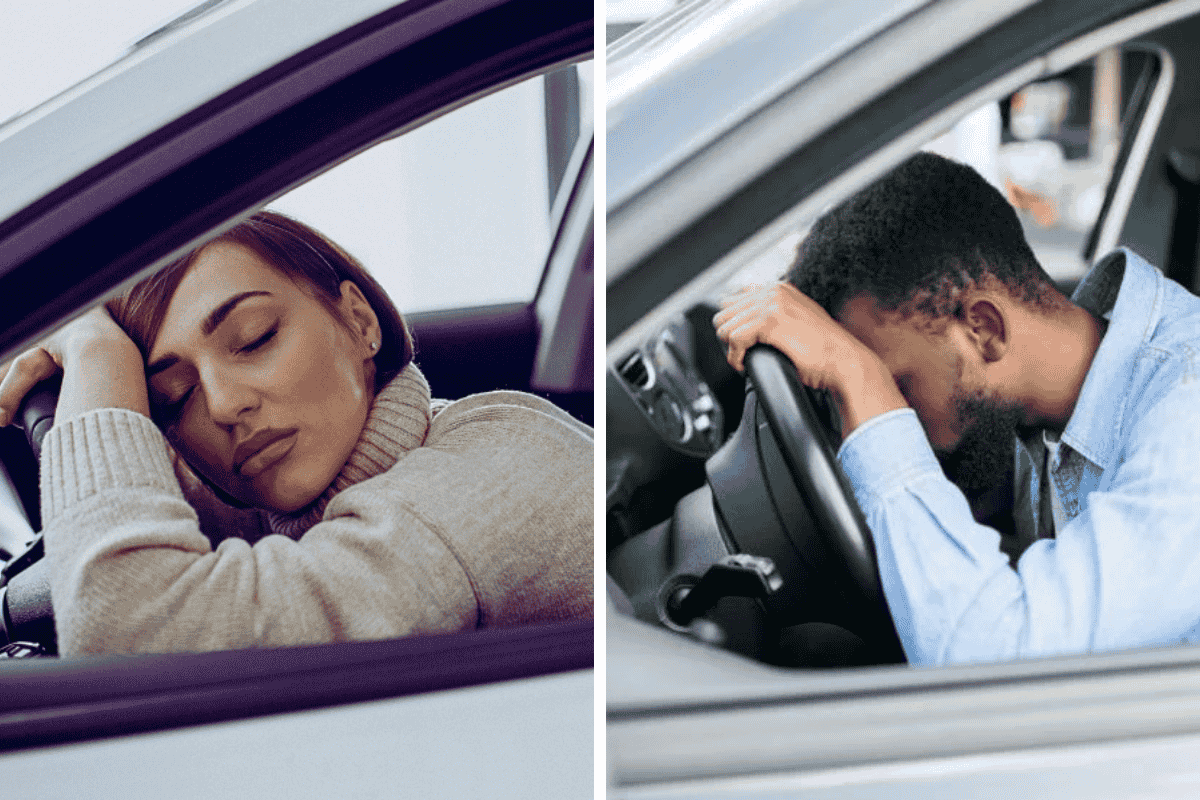
Sleeping in your vehicle is a common survival tactic for travelers, the homeless, and road trippers in Arkansas, but its legality hinges on state traffic laws, local ordinances, and private property rules.
Arkansas lacks a blanket statewide ban on car sleeping, yet restrictions on public parking, loitering, and overnight stays in non-designated areas create a patchwork of risks, especially in cities like Little Rock and Fayetteville. Understanding these nuances helps avoid tickets, tows, or arrests while promoting safer practices.
Statewide Traffic and Parking Laws
Arkansas Code § 27-51-1303 prohibits parking or stopping vehicles on highways outside business or residential districts, whether attended or not, to ensure traffic flow.
On public roads, no statewide law explicitly criminalizes sleeping in cars, but blocking rights-of-way or leaving vehicles unattended overnight can lead to citations under general parking statutes. State parks ban parking outside designated areas, with fines for violations, emphasizing enforcement for safety and maintenance.
Local Ordinances Vary by City
In Fayetteville, overnight parking of RVs, trucks over one ton, and large vehicles is prohibited on city streets since 2022, though passenger cars face fewer explicit curbs unless signed.
University of Arkansas campuses, like Fayetteville and Little Rock, strictly forbid overnight parking in lots from midnight to 5 a.m., with $75 fines and towing risks. Prairie Grove bans overnight parking of recreational vehicles and trailers on streets, extending to commercial rigs in residential zones. Smaller towns often mirror these with 48-hour limits on public streets.
Private Property Considerations
Walmart lots, popular for overnighting, permit short-term stays at store manager discretion, but cameras and security monitor for extended parking or visible sleeping, per anecdotal reports.
Private businesses like truck stops (e.g., Love’s, Pilot) or rest areas along I-40 and I-30 welcome drivers but prohibit “camping” setups like awnings or chairs; exceeding 8-10 hours risks warnings. Always seek permission to avoid no-trespass orders, as property owners control access.
Exceptions and Safe Zones
Rest areas on interstates allow up to 24 hours per Arkansas DOT rules, providing legal spots for naps without full sleep setups. Some casinos and fairgrounds offer free overnight parking for RVers, extending tolerance to cars if discreet. During emergencies like floods or storms, officials waive rules, but apps like iOverlander or AllStays track trucker-friendly spots tolerant of car sleepers.
Risks and Penalties
Violations trigger fines: $35-$100 for illegal parking, $75 for overnight infractions on campuses, plus towing fees up to $300. Repeated offenses escalate to vehicle impoundment or misdemeanor charges if deemed loitering under Ark. Code § 5-71-213, punishable by up to 30 days jail.
Police may interpret “living in a vehicle” as a public nuisance in urban areas, leading to citations even if parked legally. Vulnerable groups like the unhoused face heightened scrutiny, though federal DOT guidelines urge tolerance at rest stops.
Practical Tips for Legal Car Sleeping
Park facing out in well-lit areas, use privacy screens without blocking views, and limit stays to 4-6 hours; crack windows for ventilation to avoid CO poisoning. Apps and forums confirm safe spots like certain Walmarts in Bentonville or truck stops near Benton; rotate locations to evade patterns.
Carry proof of insurance, registration, and next destination to defuse stops. For long-term, seek shelters via 211.org or Arkansas’ homeless coalitions in Little Rock. Discretion—recline seats, no cooking—minimizes complaints.
Advocacy and Alternatives
Arkansas advocates push for safe parking programs like those in West Coast states, but none exist statewide in 2026; check cities like Eureka Springs for pilot zones. Nonprofits like Operation Outreach provide resources; federal HUD vouchers aid transitions from vehicle living. Knowing laws empowers safe navigation in a state prioritizing road safety over explicit bans.
SOURCES:
- https://parking.uark.edu/policies-and-requests/rules-and-regulations.php
- https://law.justia.com/codes/arkansas/title-27/subtitle-4/chapter-51/subchapter-13/section-27-51-1303/