
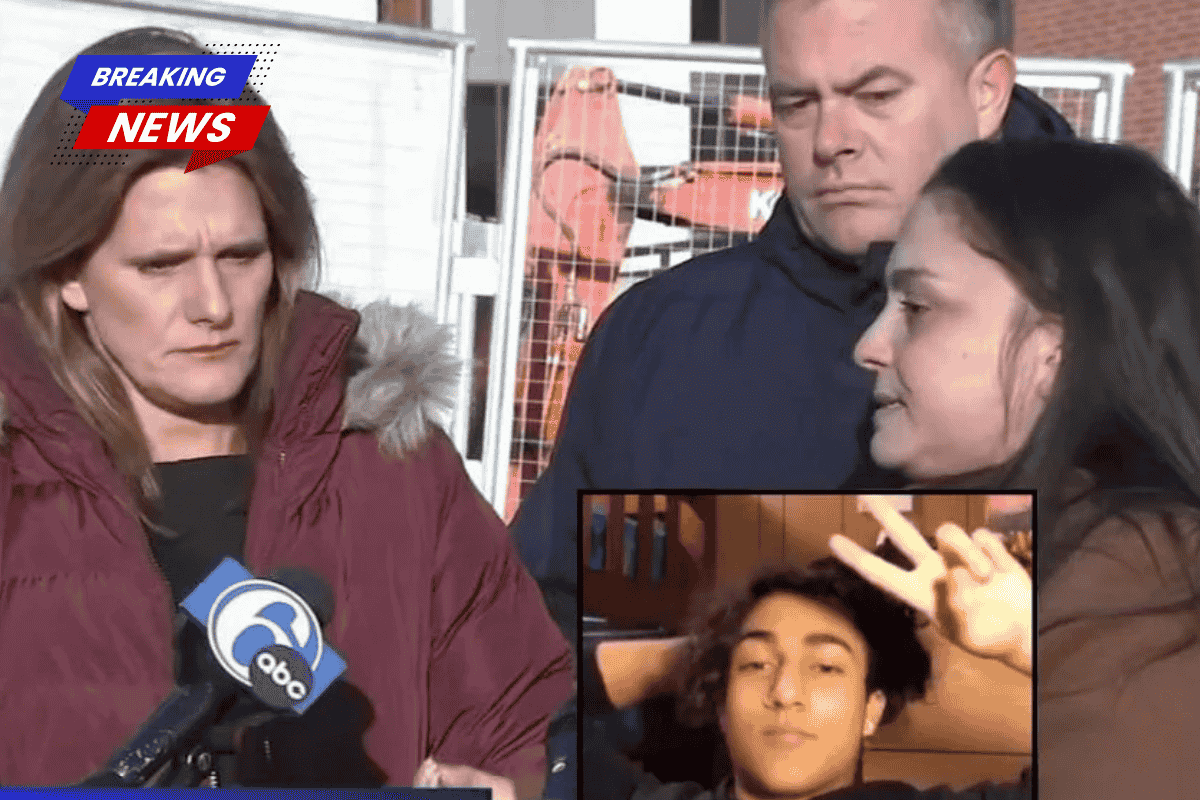
A Delaware mother is suing TikTok and its parent company, ByteDance, after her 17-year-old son, Jaedon Bovell, tragically died while attempting the viral and deadly Blackout Challenge, a dangerous trend that encourages users to choke themselves until they lose consciousness.
Jaedon, who passed away in 2020, died from self-asphyxiation after using a jiu-jitsu belt tied to his bunk bed. His mother, Michelle Ortiz, believes her son became increasingly obsessed with social media and the online trend, which ultimately led to his tragic death.
Jaedon, who had more than 25,000 followers on TikTok, had become “TikTok famous” before his death. His final post, shared on June 1, 2020, just one day before he died, showed him dancing and having fun, which makes his death all the more difficult for Ortiz to understand.
The Blackout Challenge: A Dangerous Trend on TikTok
The Blackout Challenge involves participants choking themselves with items like belts or shoelaces until they pass out, with the goal of achieving a feeling of euphoria.
However, the challenge has resulted in multiple fatalities among minors, including a 12-year-old boy in Colorado who died after attempting the challenge with a shoelace. Jaedon’s mother and other families argue that the dangerous trend was amplified by TikTok’s algorithm, which exposed young users to such content.
A Lawsuit Against TikTok and ByteDance
In an effort to hold the companies accountable, Ortiz has joined a wrongful death lawsuit filed against TikTok and ByteDance. The lawsuit, which is being heard in Delaware Superior Court, alleges that TikTok’s design and distribution decisions, particularly its promotion of harmful challenges, played a significant role in the deaths of young users. The lawsuit accuses the platform of using an algorithm that encourages children to engage with dangerous content and puts them at risk.
Ortiz, along with five other families, is suing the companies for their involvement in promoting harmful content. She stated that she was joining the lawsuit not for any financial gain but to prevent other mothers from experiencing the same heartbreak. “I don’t want another mother to feel this way,” Ortiz explained.
Legal Defense and TikTok’s Response
TikTok has responded to the lawsuit by asserting that the case should be dismissed under the First Amendment and citing the Communications Decency Act, which provides internet companies immunity from liability for content created by third parties.
Despite the legal arguments made by TikTok, the families’ lawyer, Matthew Bergman, argues that TikTok’s algorithm acts as a “For You” page that exposes young users to dangerous content, making it difficult for children to avoid.
“We’re dealing with a system that continuously presents children with material they can’t turn away from,” Bergman said in a statement to local news outlets.
TikTok has stated that it strictly prohibits content that promotes harmful behavior and uses detection systems to remove content that violates its policies. A spokesperson for TikTok emphasized their commitment to removing 99% of harmful content before it is even reported, offering their deepest sympathies to the families involved in the litigation.
The Growing Concern Over Social Media’s Impact on Youth
The Blackout Challenge is just one of many dangerous trends circulating on social media platforms. With millions of young people spending time on TikTok and other social media platforms, concerns have grown about the impact of harmful content on children’s mental health and well-being. Experts and families are increasingly questioning the role of social media companies in regulating and monitoring the content that children are exposed to.
While TikTok has implemented measures to detect and remove dangerous content, critics argue that the platform’s algorithm still exposes vulnerable young users to risky trends. As the case continues, it may set important legal precedents regarding the responsibility of social media companies in protecting minors from harmful content.