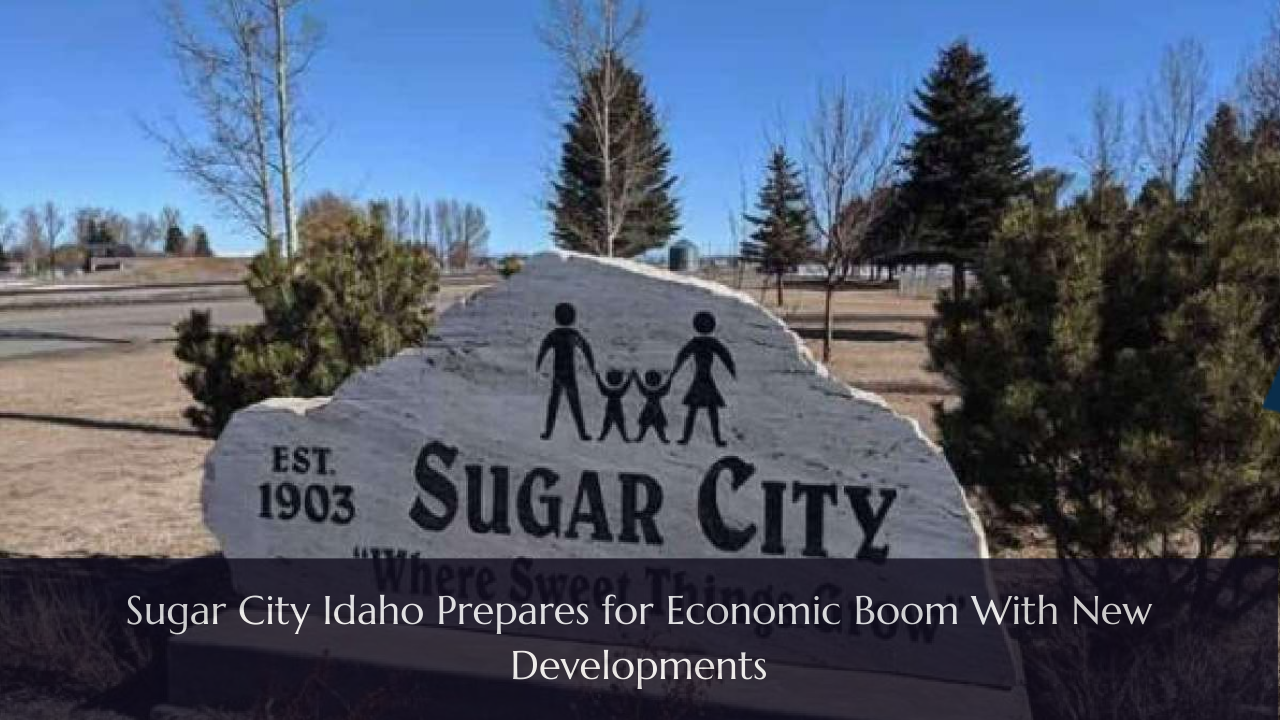
A small Idaho community long characterized by its quiet, residential atmosphere is positioning itself for significant economic expansion as multiple commercial and industrial projects move forward simultaneously.
Major Development Projects Underway
Sugar City, Idaho, is experiencing its most substantial growth period in recent history. The focal point of this transformation centers around the Fort Henry Junction area, where U.S. Highway 20 intersects with State Highway 33.
Recent months have seen significant real estate transactions in this strategic location, with multiple properties either sold or under contract. Local planning officials indicate these sites will host a combination of commercial, industrial, and residential developments.
Among the first projects slated for construction are a large-scale travel plaza and two manufacturing facilities. These ventures are expected to generate employment opportunities for area residents, with developers planning to begin site preparation in spring 2026.
Kurt Hibbert, the city’s Planning and Zoning administrator, confirmed that property transactions have been completed and developers are currently engaged in pre-development consultations with city officials. Formal applications are anticipated in the coming weeks.
Strategic Planning for Sustainable Growth
City leadership has devoted considerable effort to developing a framework that promotes responsible expansion while maintaining community character. This approach emphasizes mixed-use development, diverse housing options, and infrastructure capacity that matches population growth.
Hibbert noted that previous development patterns created affordability challenges for younger residents. The community historically featured predominantly large homes on expansive lots, pricing out many who grew up in the area.
The current planning philosophy seeks to create neighborhoods with varied housing types and price points, allowing residents across different income levels to establish roots in the community. This inclusive approach aims to build a more economically diverse and resilient city.
Spence Haacke, chairman of the Planning and Zoning Commission, emphasized that preparation rather than prediction drives their planning efforts. While exact outcomes remain uncertain, having comprehensive plans ensures the city can accommodate growth effectively.
Balancing Property Rights and Community Needs
One significant challenge facing city officials involves respecting landowner autonomy while ensuring development serves broader community interests. Haacke stressed that property owners should retain the ability to determine how their land is utilized, whether for continued agricultural use or development purposes.
The city’s role centers on ensuring adequate infrastructure and services exist to support whatever direction property owners choose. This balanced approach seeks to protect individual property rights while maintaining community standards.
To facilitate infrastructure development, Sugar City is establishing an urban renewal agency. This entity will enable the city to utilize tax-increment financing for essential public works projects, including roads, water systems, and sewer extensions.
Business-Friendly Environment
Sugar City offers several advantages that appeal to prospective businesses and developers. The community maintains a streamlined municipal government, imposes no impact fees, and provides reliable water infrastructure.
City officials emphasize their commitment to working efficiently with businesses and developers, focusing on timelines and removing unnecessary bureaucratic obstacles. This approach aims to make Sugar City an attractive location for retail operations, restaurants, and employment-generating enterprises.
Expansion and Regional Integration
The city’s geographic footprint is expanding significantly. Large sections of the unincorporated Salem area have been incorporated into Sugar City’s impact zone, the area where the city exercises planning authority.
Hibbert indicated that eventual consolidation of Sugar City and Salem appears realistic. This merger would create a larger, more economically robust municipality serving northern Madison County.
The expanded impact area has already enhanced the city’s ability to guide development consistent with community goals. Haacke noted that county approval for planning beyond city limits represented a crucial development, preventing situations where large-scale projects could be established without local input.
This planning authority ensures that new developments must conform to established zoning requirements and align with the city’s comprehensive plan. Officials can evaluate whether proposed projects complement existing infrastructure and serve community interests.
Community Response and Historical Context
While some residents have expressed concerns about the pace of change, city officials note that development has characterized Sugar City throughout its history. The community originated as an economic development initiative centered on sugar beet processing, establishing a precedent for growth-oriented planning.
Hibbert argues that continued development represents the natural evolution of the community and provides the economic vitality necessary for long-term sustainability. The principle that economic activity generates additional investment and opportunity has guided planning decisions.
Beyond the travel plaza and manufacturing facilities, city leaders hope to attract additional restaurants and support local entrepreneurship. These businesses would provide services for both residents and travelers passing through the Fort Henry Junction area.
Infrastructure and Timeline
With property sales completed and pre-development meetings underway, the transformation of Sugar City appears imminent. City officials anticipate rapid progress once construction begins, fundamentally altering the community’s economic landscape.
The travel plaza development will serve motorists traveling along the major highway corridors, potentially generating substantial sales tax revenue for the city. Manufacturing facilities will provide employment opportunities and diversify the local economy beyond its traditional role as a residential community for workers employed elsewhere.
Planning officials continue to refine zoning codes and development standards to ensure new projects integrate smoothly with existing neighborhoods. This attention to planning details aims to preserve quality of life while accommodating growth.
Looking Forward
The convergence of multiple development projects represents a pivotal moment for Sugar City. From a quiet bedroom community, the city is evolving into a regional economic center with employment opportunities, commercial services, and diverse housing options.
Success will depend on maintaining the balance between growth and community character, ensuring infrastructure keeps pace with development, and creating an environment where businesses and residents can thrive together.
City officials express confidence that their planning framework will guide responsible development that benefits current residents while attracting new community members and businesses. The transformation underway at Fort Henry Junction may serve as a model for how small communities can manage growth while preserving the qualities that make them attractive places to live.
As spring approaches and construction begins, Sugar City will test whether its years of planning translate into the sustainable, inclusive growth community leaders envision.