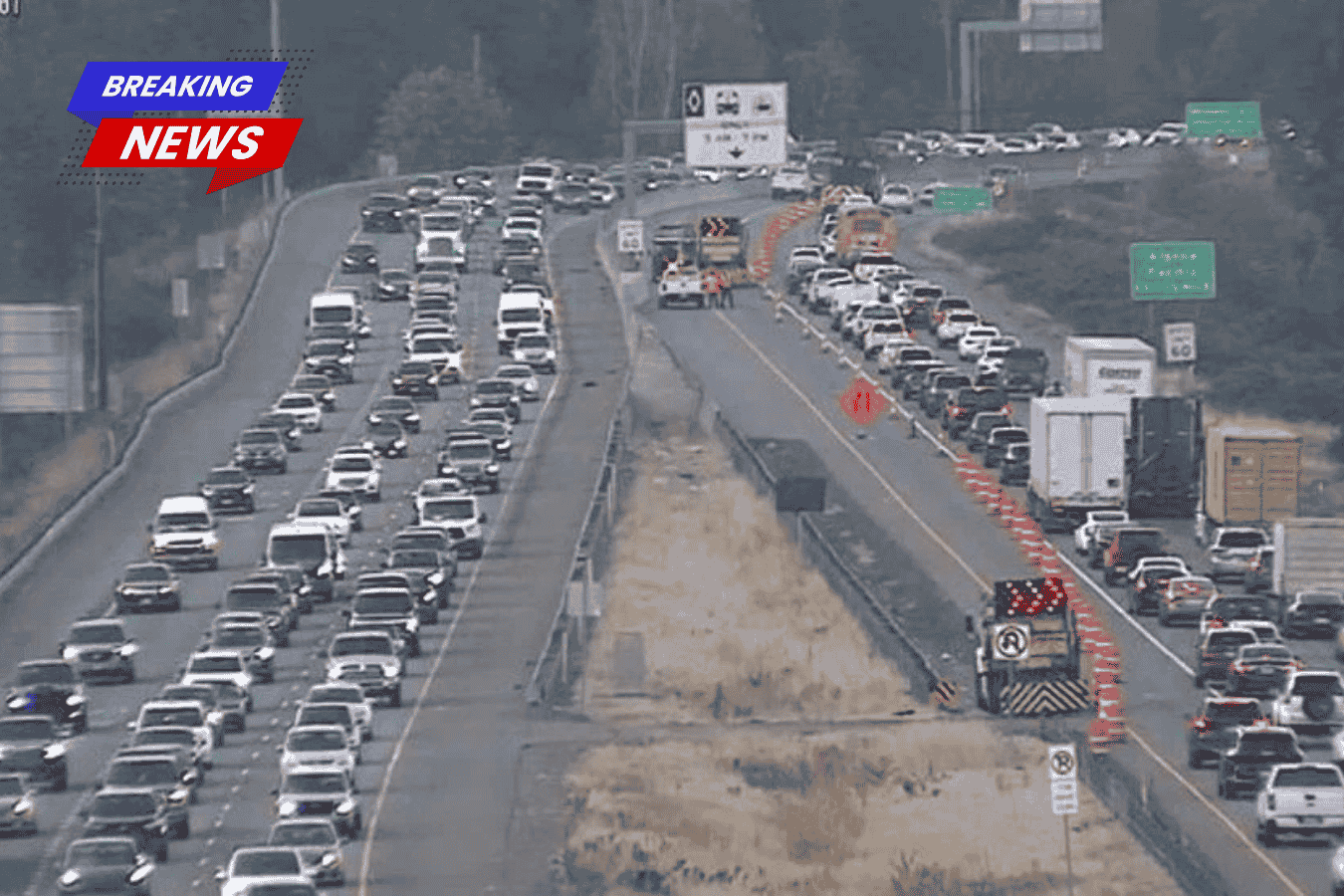
If you live in Pierce County and drive into King County every morning, you know how painful the commute on State Route 167 can be. It’s one of the most congested freeways in the Puget Sound region, especially during rush hour. But there’s good news at last for regular drivers—starting January 12, a six-mile stretch of northbound express toll lanes will finally open to the public.
What’s Changing on SR 167
The Washington State Department of Transportation (WSDOT) has announced the opening of a new express toll lane segment in the northbound direction. This new section will now connect with the existing toll lane corridor on SR 167, creating a smoother and more continuous express route for drivers heading into King County.
These express lanes are designed to give commuters a faster, more predictable trip—especially during peak travel times. Vehicles using these lanes will either pay a toll or meet carpool requirements to ride for free.
Why the Delay?
The new toll lanes were originally scheduled to launch back in October last year. However, a major setback happened when a truck collided with a bridge that carries SR 167 over Third Avenue Southwest in Pacific. That crash caused structural damage and led to lane restrictions during repair work, delaying the toll lane launch until now.
Rules for Carpoolers and Motorcyclists
If you want to use the new express toll lanes for free, there are a few rules to keep in mind:
- Carpoolers must have:
- A Good To Go! account
- A Flex Pass in their vehicle, switched to HOV mode
- At least two people in the vehicle
- Motorcyclists also need:
- A Good To Go! account
- A Motorcycle Pass linked to that account
Without these, even if you’re carpooling or riding a motorcycle, you’ll be charged the toll like everyone else.
What This Means for Commuters
The opening of this new six-mile express lane is expected to:
- Reduce congestion in the regular lanes
- Speed up travel for those who choose to pay or carpool
- Improve traffic flow into King County during peak hours
For thousands of daily drivers, this could be the difference between a stressful, stop-and-go drive and a smoother, faster commute.