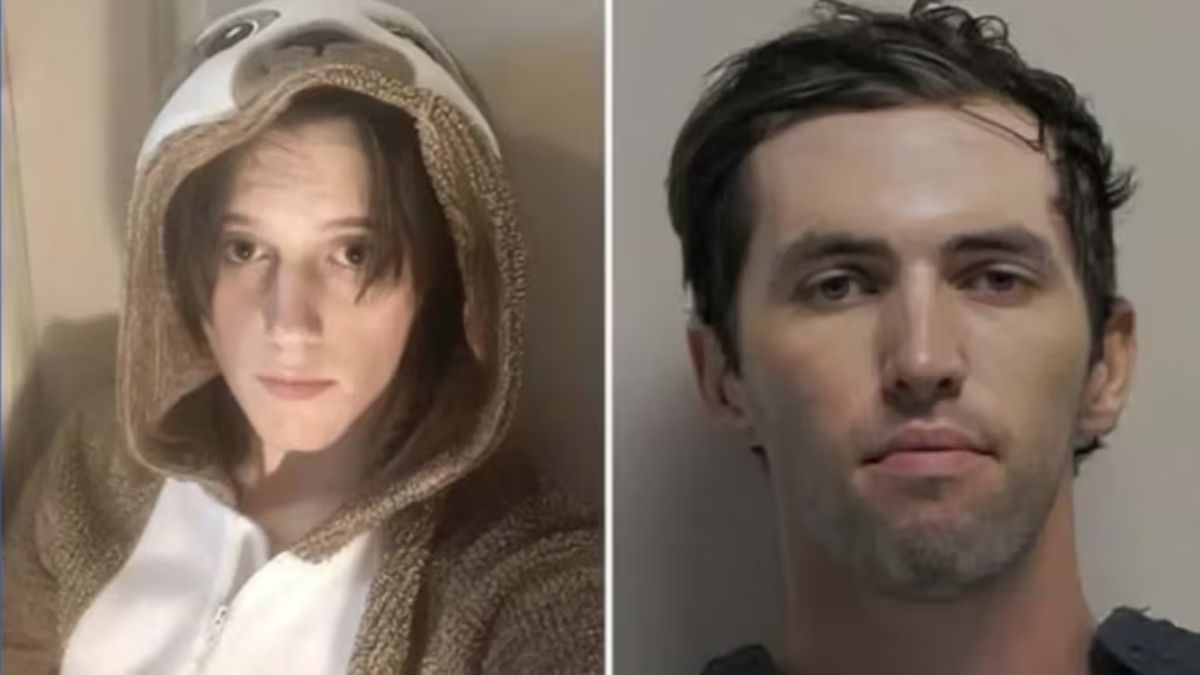
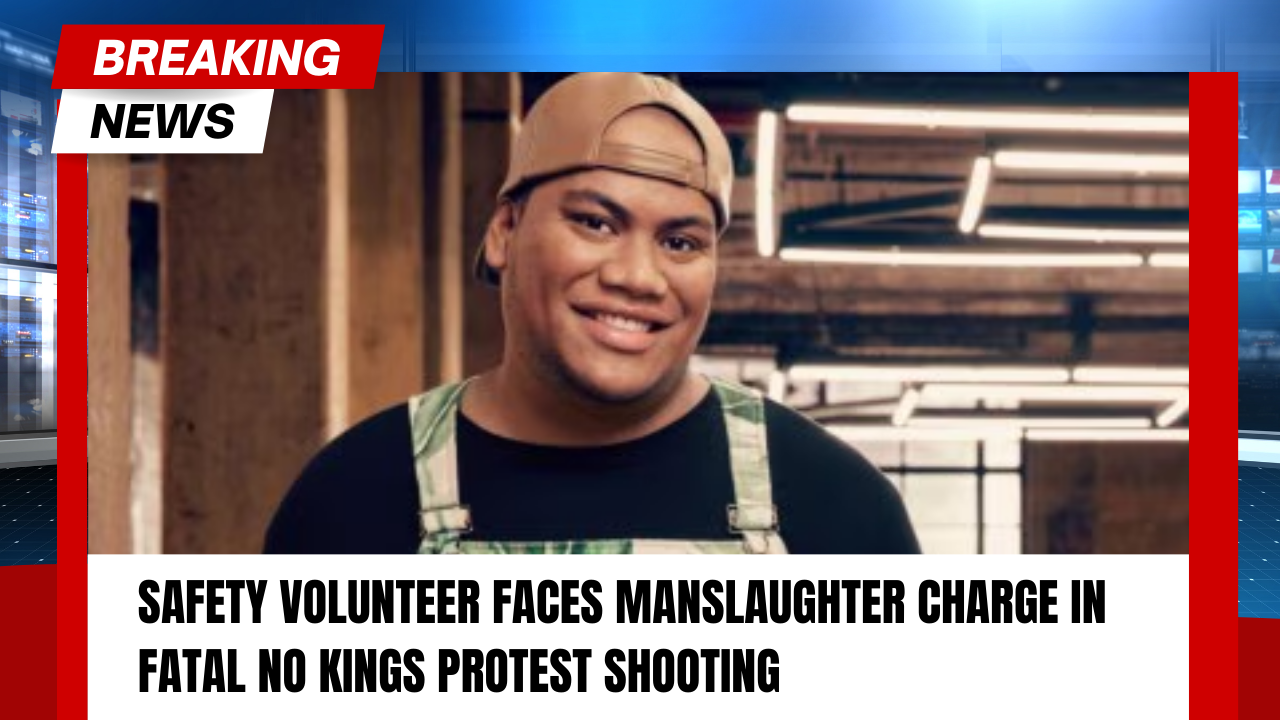
Nearly six months after a tragic shooting at Salt Lake City’s No Kings demonstration, criminal charges have been filed against the volunteer security member whose gunfire killed an innocent bystander. Salt Lake County District Attorney Sim Gill announced Wednesday that Matthew Scott Alder, 43, faces second-degree felony manslaughter charges stemming from the June 14 incident that claimed the life of fashion designer Arthur Folasa Ah Loo.
Understanding the June 14 Incident
The shooting occurred during a massive downtown protest march attracting thousands of demonstrators. Alder was a member of the June 14 event’s volunteer safety team and if convicted, faces up to 15 years in prison. The volunteer security member fired three shots from a 9mm handgun at a man he believed posed an imminent threat to the crowd, but the third shot inadvertently killed rally participant Arthur Folasa Ah Loo.
District Attorney Gill explained that while Alder may have had justification to use lethal force against a perceived threat, his third shot, fired over people’s heads at a large gathering, was reckless and constituted a crime. The prosecution’s case centers specifically on this final bullet, which prosecutors argue demonstrates criminal recklessness regardless of Alder’s intent to protect protesters.
The Salt Lake County District Attorney’s Office spent nearly six months investigating the complex case before filing charges. The delay stemmed partly from Utah’s intricate gun laws and the nuanced circumstances surrounding justified use of force.
Details of the Confrontation
Events unfolded rapidly as thousands marched through downtown Salt Lake City following the rally at Pioneer Park. Security volunteers noticed Arturo Gamboa, dressed entirely in black, assembling an AR-15 rifle near the crowd. Another safety team member radioed “gun, gun, gun” after observing what he interpreted as threatening behavior.
Alder told investigators he believed he saw a man ducked down as he was loading his rifle and thought he was about to commit a mass shooting. The volunteer confronted Gamboa verbally, ordering him to stop and drop the weapon. When Gamboa continued moving, Alder fired three times.
One shot struck Gamboa, causing a non-fatal wound. The third bullet traveled over people’s heads before striking Ah Loo, who was recording video of fellow protesters approximately 151 South State Street. Emergency responders transported the 39-year-old father of two to a nearby hospital, where he later died from his injuries.
Charging documents reveal important details about the moments leading to the shooting. The other security volunteer present told police he recognized Gamboa posed a concerning situation but concluded there was no safe way to fire his weapon. That volunteer told police there’s no way he could shoot when the man was running toward a crowd, noting he was accountable for every bullet that came out of his gun.
Why Gamboa Will Not Face Charges
Despite the alarming circumstances, prosecutors determined Gamboa broke no laws. Utah is an open-carry state, meaning people who can legally own a firearm are generally allowed to carry it on a public street. Detectives recovered a disassembled AR-15 rifle, three loaded magazines, and a knife from Gamboa following the incident.
District Attorney Gill acknowledged that assembling an AR-15 under cover during a mass gathering could reasonably be perceived as alarming and irresponsible conduct. However, existing Utah law permitted Gamboa to carry the rifle both concealed in his backpack and openly once assembled. Video evidence showed the rifle’s barrel pointed downward as Gamboa walked toward State Street, and investigators believe the weapon was not loaded at the time.
Friends have said Gamboa often open-carried at protests, suggesting this behavior represented his regular practice rather than unusual conduct specific to June 14. No evidence emerged indicating Gamboa fired his weapon or intended violence against protesters.
The Salt Lake City Police Department initially arrested Gamboa on suspicion of murder, theorizing his actions created the dangerous situation leading to Ah Loo’s death. However, after thorough investigation, authorities released him without charges. Gamboa’s attorney, Greg Skordas, declined immediate comment following the charging announcement.
Legal Complexity and Investigation Timeline
The six-month investigation navigated complex intersections between Utah’s permissive gun laws and self-defense statutes. The state maintains liberal open-carry provisions while simultaneously providing robust legal protections for individuals using lethal force against perceived threats. These competing legal frameworks complicated prosecutors’ analysis of whether Alder’s actions constituted criminal conduct.
District Attorney Gill requested a grand jury from a panel of five judges following Utah protocol, with the request made October 6th, the earliest date available. The judicial panel denied the grand jury request November 5th, requiring prosecutors to pursue charges through traditional means.
Gill indicated a recent Massachusetts case with similar circumstances provided guidance for bringing charges in Utah. However, legal experts questioned whether Massachusetts precedent would significantly influence Utah courts given fundamental differences in gun laws and self-defense doctrines between the states.
Attorney Mitch Vilos, who has authored multiple books on Utah gun laws but does not represent anyone connected to the case, expressed skepticism about conviction prospects. He noted Alder’s apparent lack of criminal intent and belief he was defending against a potential mass shooting, factors that could weigh favorably in a Utah jury trial.
Impact on Victim’s Family
Arthur Folasa Ah Loo, known as Afa to friends and family, was a celebrated fashion designer and former Project Runway contestant who dedicated his career to showcasing Pacific Islander artists and culture. His presence at the No Kings demonstration reflected his commitment to civic engagement and social justice advocacy.
Widow Laura Ah Loo called the five-month wait long, painful and deeply frustrating, but commended Gill’s decision to pursue charges as moral and just. Speaking at a news conference Wednesday, she described her husband as an incredible father, advocate, creative professional, and champion for others while fighting back tears.
The couple’s two children now face growing up without their father due to the tragic incident. Laura Ah Loo emphasized that for five months, there had been no accountability for actions, no clarity about how such a horrific incident would be addressed, and no remorse from Matthew Alder himself for taking Afa’s life.
Attorney James McConkie, representing the Ah Loo family, indicated they are preparing civil litigation against Alder seeking damages for wrongful death. The legal team also continues investigating protest organizers, including allegations that someone applied for the city event permit using false identification.
Questions About Event Security
The shooting raised significant concerns about armed volunteer security at public demonstrations. Alder was hired by SLC 50501, the local organization that coordinated the protest, and served as a military veteran with weapons training. However, he was not a law enforcement officer and had no official connection to the Salt Lake City Police Department.
The event permit filed by organizers did not disclose the presence of organized or armed security at the protest. District Attorney Gill revealed that several volunteers on the safety team carried firearms without formal training requirements for serving in that capacity. This lack of coordination with official law enforcement agencies created potential risks that materialized tragically on June 14.
Following the shooting, guidelines posted on the national 50501 organization’s website stated peacekeepers should possess strong situational awareness, remain calm under pressure, understand de-escalation strategies and protest safety, and demonstrate good communication and teamwork skills. The guidelines added that peacekeepers were not expected to confront or disarm someone with a weapon, though peacekeepers have taken such actions in dire situations.
The national 50501 movement severed ties with the Salt Lake City chapter days after the shooting, citing the local group’s disregard for the organization’s strict no-weapons policy. This disciplinary action highlighted the tension between national organization standards and local chapter practices regarding armed security at protests.
Current Status of Criminal Case
A summons has been issued for Alder ordering him to appear in court for arraignment on the manslaughter charge. District Attorney Gill indicated Alder has cooperated fully with investigators throughout the process and does not pose a flight risk, making an arrest warrant unnecessary at this stage.
If convicted of second-degree felony manslaughter, Alder faces a potential sentence of one to fifteen years in prison. The charge reflects prosecutors’ theory that while Alder may have possessed legal justification for using lethal force against Gamboa, the manner in which he discharged his weapon demonstrated criminal recklessness.
Utah law presumes defendants innocent until proven guilty beyond reasonable doubt. Alder will have opportunities to present evidence supporting his belief that Gamboa posed an imminent threat justifying his defensive actions. The case will likely examine whether a reasonable person in Alder’s position would have perceived the same threat and responded similarly.
Legal analysts anticipate vigorous debate during trial about Utah’s self-defense laws and their application in crowded public settings. The case may establish precedent regarding when defensive gun use crosses into criminal recklessness, particularly when innocent bystanders suffer harm during attempted intervention against perceived threats.
Political and Community Response
Utah Governor Spencer Cox, appearing at a charity event Wednesday morning, stated he had not received advance briefing about the charging decision. The Republican governor said their heart goes out to the family in such a terrible tragedy and everyone who was impacted that day, noting it was traumatic for everyone present. Cox indicated he would follow the prosecution closely as it proceeds through the court system.
Salt Lake City Mayor Erin Mendenhall’s spokesperson stated the mayor is grateful to the District Attorney’s Office for their diligence and thorough investigation. The mayor’s office has not commented on potential policy changes regarding armed security at permitted demonstrations following this incident.
The No Kings movement organized one additional rally since the fatal shooting, drawing approximately 15,000 protesters to the Utah State Capitol without marching to the building’s steps. That demonstration concluded without incident, though security arrangements differed substantially from the June event.
Implications for Public Safety Policy
District Attorney Gill emphasized that the case highlights policy issues requiring legislative attention. He noted the legal collision between Utah’s permissive gun laws and the practical realities of maintaining public safety during large gatherings where multiple armed individuals may be present.
The shooting demonstrated how situations can deteriorate rapidly when armed civilians attempt to neutralize perceived threats in crowded environments. Even when individuals believe they are protecting others, their actions may endanger innocent bystanders through ricochets, missed shots, or bullets penetrating targets and striking people beyond.
Law enforcement agencies generally train officers extensively on when to discharge weapons in public settings, emphasizing awareness of backstops, bystanders, and bullet trajectory. Volunteer security lacking such training may struggle to make split-second decisions balancing threat response against collateral risk.
Laura Ah Loo said the criminal charge represents a significant first step in the right direction and sets a precedent she hopes will lead to safer public gatherings in the future. Advocates for stricter gun regulations may cite this case when arguing for restrictions on carrying weapons at demonstrations, while Second Amendment supporters will likely emphasize Gamboa’s lawful conduct and Alder’s defensive intent.
Conclusion
The manslaughter charge against Matthew Alder represents a rare criminal prosecution stemming from civilian defensive gun use in Utah. While the state’s laws provide broad protections for individuals using force against perceived threats, prosecutors argue those protections do not extend to reckless conduct endangering innocent people.
The case will test whether Utah juries accept that someone acting with protective intent can nonetheless face criminal liability when their actions demonstrate recklessness. Arthur Folasa Ah Loo’s death serves as a tragic reminder that good intentions and perceived threats do not eliminate responsibility for ensuring defensive actions do not harm innocent parties.
As the criminal case proceeds, civil litigation will likely parallel the prosecution, seeking compensation for Ah Loo’s family. The broader policy questions raised by the incident regarding armed security at protests, coordination with law enforcement, and balancing gun rights with public safety will continue generating debate in Utah and beyond.