
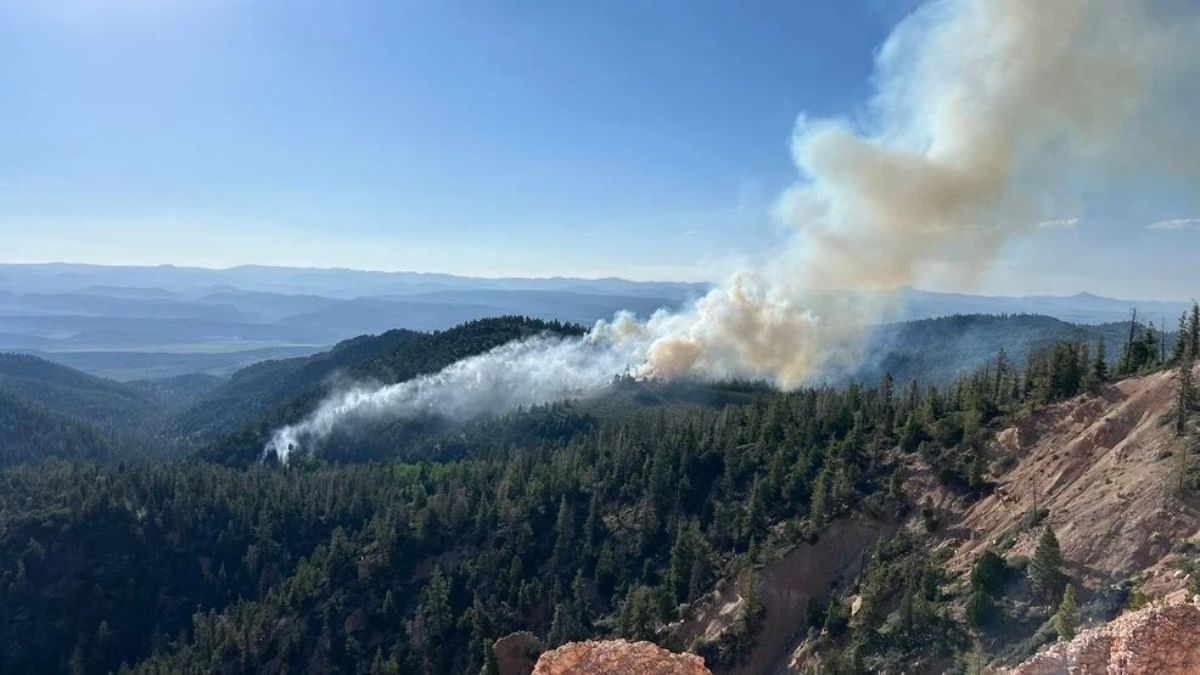
Restoration efforts are now underway in France Canyon after a severe wildfire scorched nearly 35,000 acres during the summer.
This rehabilitation project is one of 42 major initiatives undertaken by the Utah Department of Natural Resources (DNR) in southern Utah through its Watershed Restoration Initiative.
Multiple Wildfire Restoration Projects in Progress
Along with France Canyon, the DNR is also completing restoration work in Monroe Canyon, where efforts are about halfway finished.
Another major project will soon begin on the Forsyth Fire burn scar, with work scheduled to start in the coming weeks.
How Aerial Seeding Helps Restore Burned Landscapes
To bring vegetation back to damaged areas, the department plans to use aerial seeding, a method where seeds are dropped from helicopters or fixed-wing aircraft.
According to Gary Bezzant, the DNR’s Southern Region habitat manager, this technique helps restore plant life that was destroyed during the fire.
Reducing Flood Risks Through New Plant Growth
Bezzant explained that new vegetation is essential for controlling water flow in fire-affected zones.
He noted that reseeded plants help absorb rainfall, reducing the chances of dangerous flash floods that often follow large wildfires.
Without proper ground cover, rainwater flows freely across barren land, increasing the risk of severe flooding.
Looking Ahead: New Fire Prevention Priorities
As the department plans for next year, a major focus will be fire prevention in vulnerable regions. One of their top priorities is the Red Cliffs Desert Reserve in southern Utah.
Although the reserve covers 70,000 acres, the DNR emphasized that it represents only a small portion of the larger Mojave Desert, which is also in need of long-term protection and restoration work.
Wildfire recovery in southern Utah is moving forward with coordinated efforts across multiple canyons and burn sites. Through methods like aerial seeding and strategic vegetation restoration, the DNR aims to minimize future flooding risks and rebuild damaged ecosystems.
With new fire-prevention plans set for the coming year, especially in areas like the Red Cliffs Desert Reserve, Utah continues its commitment to protecting vital landscapes and restoring ecological balance.