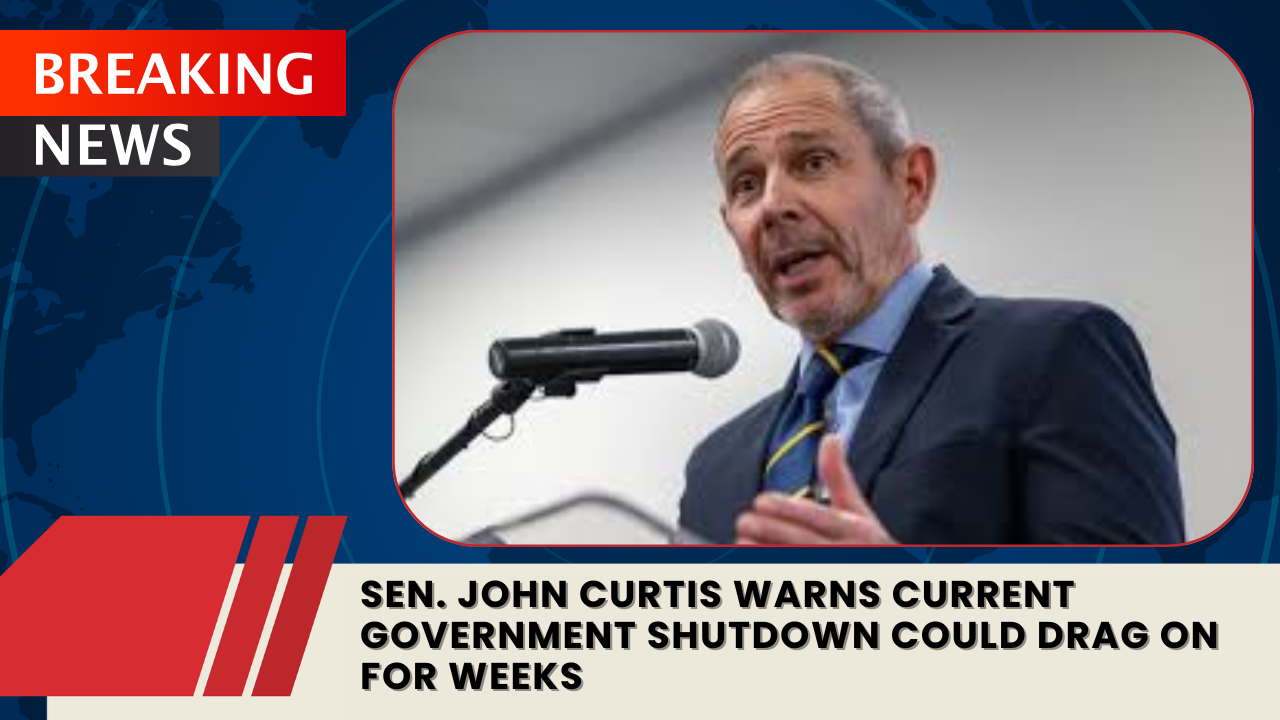
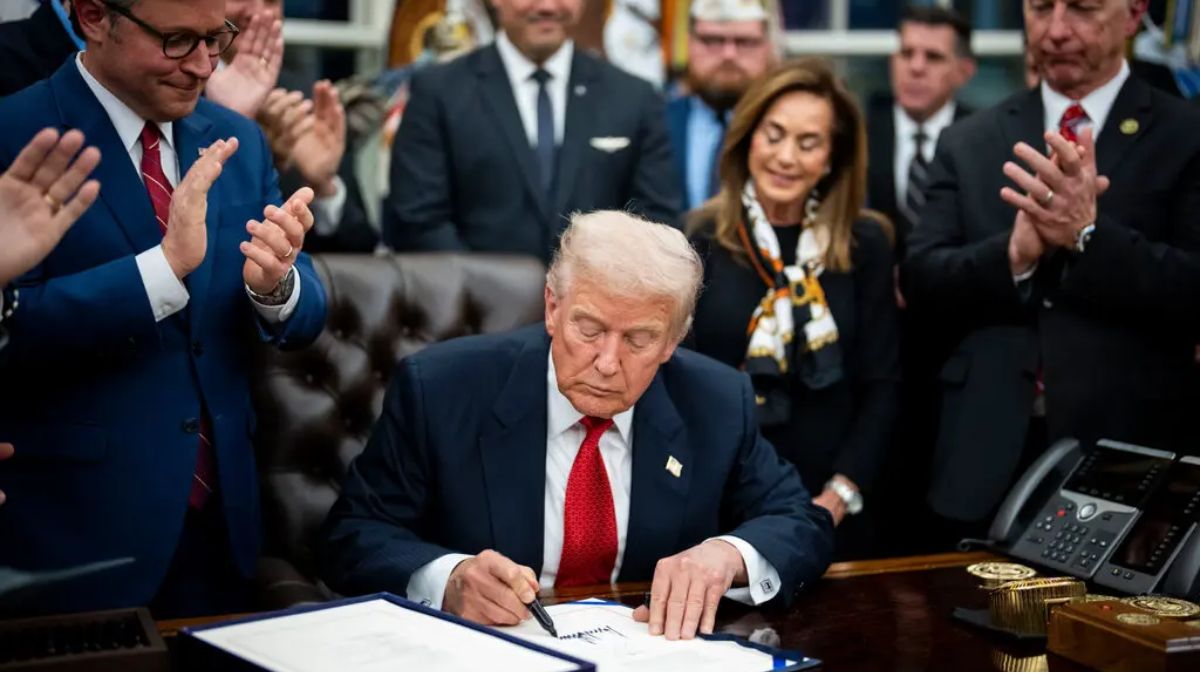
In a decisive move to resume full federal operations, President Donald Trump, on the night of November 12, 2025, signed a funding bill that brought to an end the longest ever federal-government shutdown in U.S. history—lasting 43 days.
This article explains the sequence of events, major figures, key details, and what this means for the country’s governance and federal workers.
What Happened & Timeline of Events
- The shutdown began on October 1, 2025, when Congress failed to pass appropriations bills for the new fiscal year.
- After weeks of negotiation and growing pressure, the Senate and House passed a funding package. The House approved the bill by a vote of 222–209.
- President Trump signed the bill late on November 12, declaring that “we can never let this happen again.”
- The bill funds the government through January 30, 2026, and reverses key impacts of the shutdown.
Key Figures and Numbers
Here is a table summarizing the major details and facts & figures of the shutdown and its end:
| Item | Detail |
|---|---|
| Duration of shutdown | 43 days. |
| Vote in House of Representatives | 222–209 in favour of the bill. |
| Number of federal employees furloughed or impacted | Around 670,000 federal employees went without pay. |
| Number of food-assistance recipients affected | Close to 42 million recipients of SNAP benefits. |
| Economic cost/impact estimate | More than US $7 billion in lost economic output. |
| Date President signed bill | Late evening of November 12, 2025. |
| Funding extension through | Government funded until January 30, 2026. |
What the Bill Covers & What It Doesn’t
What it covers
- The legislation funds most federal agencies and allows federal workers to return and receive back pay for the shutdown period.
- It reverses over 4,000 planned layoffs that had been ordered during the shutdown.
- Travel and air-traffic control systems impacted by staffing shortages began resuming normal operations.
What it does not cover
- It fails to include an extension of the enhanced insurance subsidies under the Affordable Care Act (ACA) that Democrats had demanded.
- Some services may take time to fully resume; agencies warned it could be days or weeks before “normal” operations are fully restored.
Reactions, Politics & Implications
President Trump used the bill-signing as a political moment, criticizing Democrats and pledging never to allow a shutdown like this again.
Republicans touted the vote as proof of governance returning to normal, while Democrats faulted the deal for leaving out healthcare concerns and raising the risk of another shutdown.
Economically, the shutdown’s end brings relief—but the costs incurred (lost pay, delayed services, disrupted travel) are likely to linger.
Why It Matters
- A government shutdown of this magnitude undermines public confidence in federal operations and governance stability.
- Hundreds of thousands of federal workers facing uncertainty highlight the human cost of funding delays.
- The fact that key issues like ACA subsidies remain unresolved suggests that the underlying budget conflict is still active.
- The timetable until January 30 gives only a short window before the next funding cliff—meaning risk of another shutdown remains unless longer-term deals are made.
The signing of the bill by President Trump to end the 43-day shutdown marks a turning point in U.S. federal governance.
While it resumes critical government functions and brings relief to federal employees and millions of Americans dependent on government services, it also exposes deep partisan divisions and leaves significant policy issues unresolved—especially around healthcare subsidies.
The next weeks and months will be pivotal: can Congress and the White House achieve more stable, long-term funding arrangements and avoid a repeat of this disruption? The cost of failure remains high—for the economy, for workers, and for public trust.