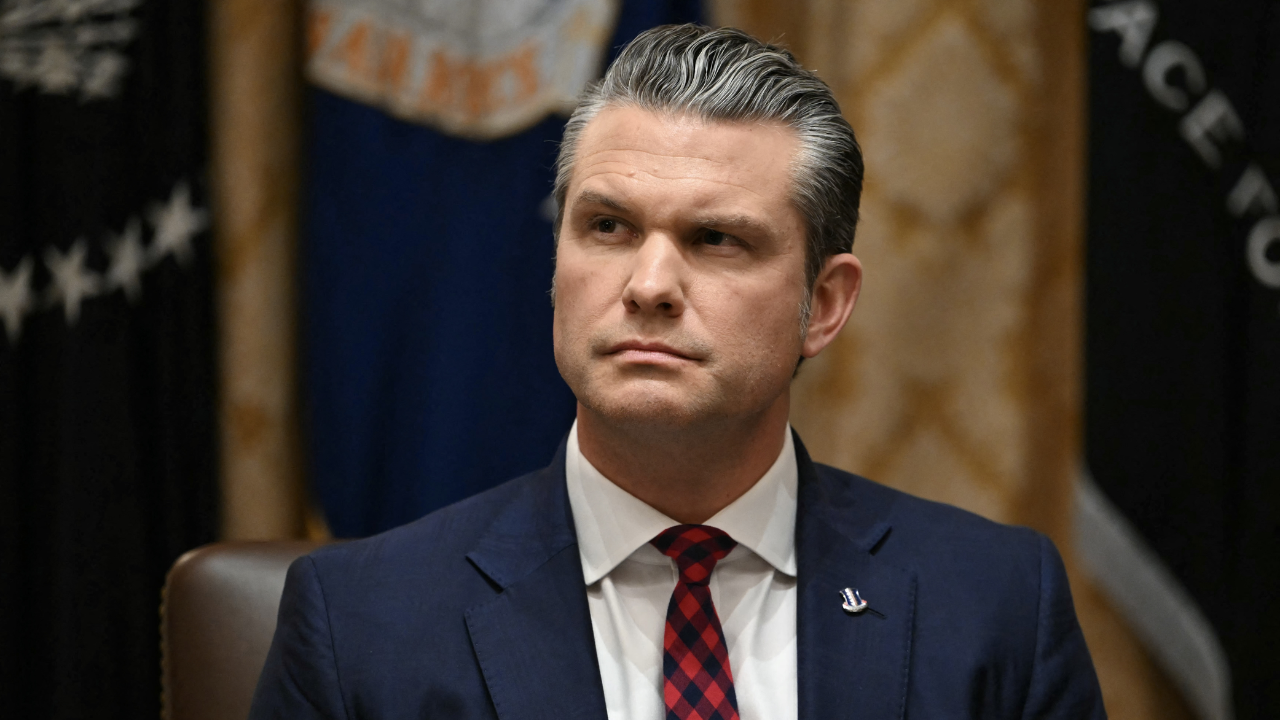
A newly completed Pentagon investigation has faulted Defense Secretary Pete Hegseth for using the encrypted messaging app Signal on his personal device to share sensitive details about upcoming U.S. military operations in Yemen. According to officials briefed on the internal review, the practice introduced potential security risks and raised concerns about safeguarding military personnel during high-stakes operations overseas.
The inspector general’s report—expected to be released publicly later this week—concludes that the information Hegseth transmitted could have endangered U.S. troops if intercepted. While the findings point to lapses in operational security, the review stops short of assessing whether Hegseth violated classification rules, noting that as Defense Secretary, he has broad authority to determine what information is or is not classified.
Despite the concerns, the Pentagon issued a statement Wednesday saying the review “exonerated” Hegseth, declaring the matter closed. Pentagon spokesperson Sean Parnell said no further disciplinary action would be taken.
A Sensitive Moment for Hegseth’s Leadership
The renewed scrutiny comes as Hegseth faces mounting criticism over his oversight of recent U.S. operations—including lethal strikes on suspected drug-trafficking vessels in the Caribbean, which have stirred legal and procedural questions. The Signal messages add another layer of controversy at a time when lawmakers from both political parties are questioning his decision-making.
The report details how Hegseth shared information on the planned March 15 strikes against Yemen’s Iran-aligned Houthi forces in a Signal group that included senior national security officials from the Trump administration.
But the group also—accidentally— included Jeffrey Goldberg, editor-in-chief of The Atlantic.
Goldberg later wrote about the incident and, after administration officials disputed aspects of his account, published screenshots showing Hegseth exchanging specifics about the timing of the mission and plans to target a Houthi militant leader just hours before the operation.
Questions Over Operational Risk
According to sources familiar with the inspector general’s findings, some of the information circulated in the Signal chats was considered classified when transmitted to Hegseth. Investigators concluded that if adversaries had intercepted the messages, the operation—and the safety of U.S. forces carrying it out—could have been compromised.
While the screenshots do not reveal the names or precise locations of targets, they include discussions of timing and intent—details former officials and security experts say are among the most sensitive elements of military planning.
Democratic lawmakers and several past Pentagon officials have expressed alarm in recent days, noting that any leak of targeting windows could have allowed Houthi leaders to escape or relocate to civilian-dense areas, complicating the mission and raising the risk of collateral damage.
Hegseth, however, has consistently denied transmitting war plans via Signal and told investigators he shared only information he believed posed “no operational risk.” In a written statement to the IG, he asserted that he had authority to declassify information at his discretion and suggested the investigation was politically motivated—even though the review was requested by lawmakers from both parties.
Limited Cooperation and Unanswered Questions
The inspector general noted that Hegseth declined to sit for an interview, providing only a written response. Investigators also reported that he supplied only a small number of his Signal messages, forcing the review to rely heavily on screenshots previously published by The Atlantic.
The incomplete record leaves lingering questions about the full scope of Hegseth’s communications prior to the Yemen operation. According to one official familiar with the investigation, the lack of access to complete message logs made it difficult to assess the extent of any potential security breaches.
The Pentagon’s independent watchdog is expected to release the full report later this week, offering a clearer picture of what transpired and what systemic safeguards may be needed to prevent similar lapses in the future.