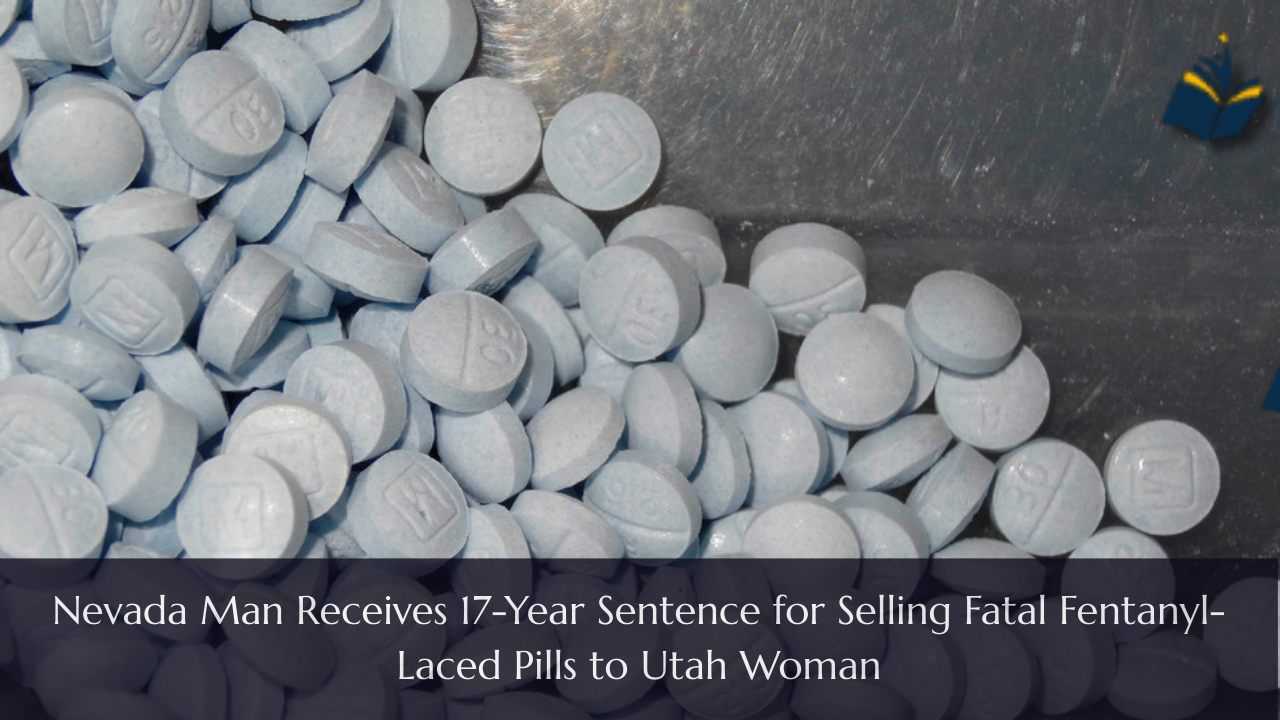
A Las Vegas man will spend nearly two decades in federal prison after pleading guilty to selling oxycodone pills containing fentanyl that killed a Layton woman in October 2023, federal prosecutors announced Tuesday.
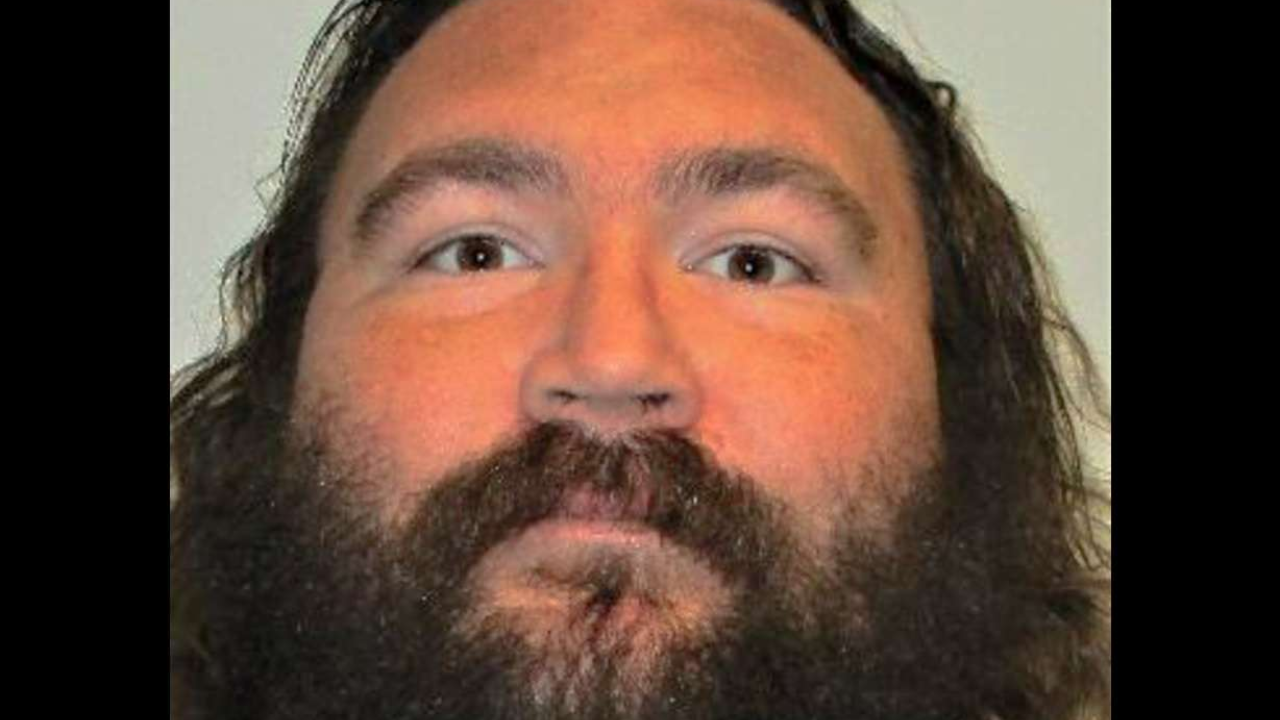
Bryan Walter McMahan, 41, received a 17-year prison sentence following his conviction for distributing counterfeit pharmaceuticals that resulted in the death of a Utah woman whose identity has not been publicly released. The case highlights ongoing efforts by federal and local law enforcement to prosecute dealers whose products cause fatal overdoses.
Fatal Transaction Traced Through Mail System
According to the U.S. Attorney’s Office for the District of Utah, McMahan mailed the deadly pills from Nevada on October 7, 2023. The package arrived at the victim’s Layton residence three days later on October 10.
The woman was subsequently discovered dead inside her home after ingesting the pills. Investigators found critical evidence at the scene, including an envelope bearing McMahan’s return address and three blue pills located underneath the victim’s body.
The physical evidence provided prosecutors with a direct link between McMahan and the fatal overdose, enabling them to build a case that connected the Nevada dealer to the Utah victim’s death through the interstate shipment.
Comprehensive Sentencing Package
U.S. District Court judges imposed a multifaceted sentence designed to punish McMahan while providing some measure of restitution to the victim’s family. Beyond the 17-year prison term, the sentencing included financial and supervisory components.
McMahan must pay $8,888 in restitution to the victim’s family members, acknowledging the immeasurable loss they suffered. Following completion of his prison sentence, he will face three years of supervised release during which his activities and associations will be monitored by federal probation officers.
Federal prosecutors indicated that McMahan changed his plea during proceedings, though they did not specify which charges he ultimately pleaded guilty to as part of any potential agreement with the government.
Multi-Agency Investigation Delivered Results
The Layton City Police Department collaborated with the local branch of the U.S. Drug Enforcement Administration to investigate the woman’s death and identify the source of the fatal pills. Detectives assigned to the DEA Fentanyl Overdose Death Task Force led the investigation.
The task force represents a coordinated approach to addressing the fentanyl crisis by treating overdose deaths as potential homicides requiring thorough investigation to identify and prosecute suppliers. This investigative model has gained traction nationwide as communities seek accountability for dealers whose products prove lethal.
Layton Police Lt. Clint Bobrowski emphasized the department’s commitment to pursuing justice for overdose victims and their families, recognizing the devastating impact of fentanyl-related deaths on the community.
“Any loss of life in our community is heartbreaking, and our thoughts remain with the victim’s family and loved ones,” Bobrowski stated. “Our Detectives assigned to the DEA Fentanyl Overdose Death Task Force were committed to uncovering the truth behind this tragedy and identifying those responsible.”
Federal Prosecutor Warns About Counterfeit Pills
U.S. Attorney Melissa Holyoak of the District of Utah addressed the broader public health threat posed by counterfeit pharmaceuticals circulating in illicit drug markets. Her statement emphasized the unpredictable and potentially deadly nature of pills sold outside legitimate medical channels.
“A young woman lost her life as a result of reckless criminal conduct, and no amount of imprisonment can change the course of that tragic outcome,” Holyoak said, acknowledging that criminal justice responses cannot undo the harm caused by fatal overdoses.
The prosecutor issued a stark warning about the risks associated with purchasing pills from unauthorized sources, noting the impossibility of determining what substances counterfeit medications actually contain.
“It is important to remember that just one pill can kill,” Holyoak emphasized. “There is no way of knowing what controlled substances are contained in counterfeit pharmaceuticals for sale on the illicit market.”
Fentanyl Crisis Context
The McMahan case reflects a broader national crisis involving fentanyl, a synthetic opioid approximately 50 times more potent than heroin. Drug traffickers increasingly mix fentanyl into counterfeit pills designed to resemble legitimate prescription medications like oxycodone, Xanax, or Adderall.
These counterfeit pills present extreme danger because buyers often believe they are purchasing authentic pharmaceuticals when they are actually receiving products containing unpredictable fentanyl doses. Even individuals with substantial opioid tolerance can fatally overdose from fentanyl-laced pills due to inconsistent dosing and the drug’s extreme potency.
The DEA has repeatedly warned that counterfeit pills represent a significant threat because their appearance mimics legitimate medications, making visual identification impossible. Laboratory testing provides the only reliable method for determining pill contents.
Law enforcement agencies have prioritized investigating overdose deaths and prosecuting dealers whose products cause fatalities. This approach treats fentanyl distribution resulting in death as a serious felony warranting substantial prison sentences, as demonstrated by McMahan’s 17-year term.
Interstate Drug Trafficking Complications
McMahan’s use of the mail system to distribute drugs across state lines added federal dimensions to the prosecution. Interstate drug trafficking falls under federal jurisdiction, enabling U.S. Attorneys to bring charges that often carry more severe penalties than state-level prosecutions.
The Postal Service and private shipping companies have become unwitting participants in drug distribution as dealers exploit package delivery systems to reach customers across the country. Law enforcement agencies have developed partnerships with postal inspectors and shipping company security personnel to identify suspicious packages and intercept drug shipments.
However, the volume of mail and packages processed daily makes comprehensive screening impossible, allowing many drug shipments to reach their destinations undetected. The McMahan case succeeded because investigators identified the source after the fatal overdose rather than intercepting the package before delivery.
Victim Advocacy and Prevention
While the criminal justice system delivered a significant prison sentence in this case, no legal outcome can restore the victim’s life or fully compensate her family for their loss. Federal prosecutors and law enforcement officials emphasized that punishment serves broader goals of deterrence and public safety rather than providing complete justice for individual victims.
The victim’s family receives modest financial restitution, though the $8,888 payment represents a token amount compared to the permanent loss they suffered. Federal sentencing guidelines allow judges to order restitution, but defendants often lack financial resources to pay substantial amounts.
Public health officials continue emphasizing prevention through education about counterfeit pill dangers and expanded access to addiction treatment services. Harm reduction strategies, including fentanyl test strips that allow users to check substances before consumption, represent another approach to reducing fatal overdoses.
The convergence of criminal prosecution, public education, and treatment expansion reflects recognition that addressing the fentanyl crisis requires comprehensive strategies extending beyond law enforcement alone.