The Utah Republican Party’s campaign to reverse the state’s controversial redistricting legislation has secured significant support from one of the nation’s most influential conservative organizations.
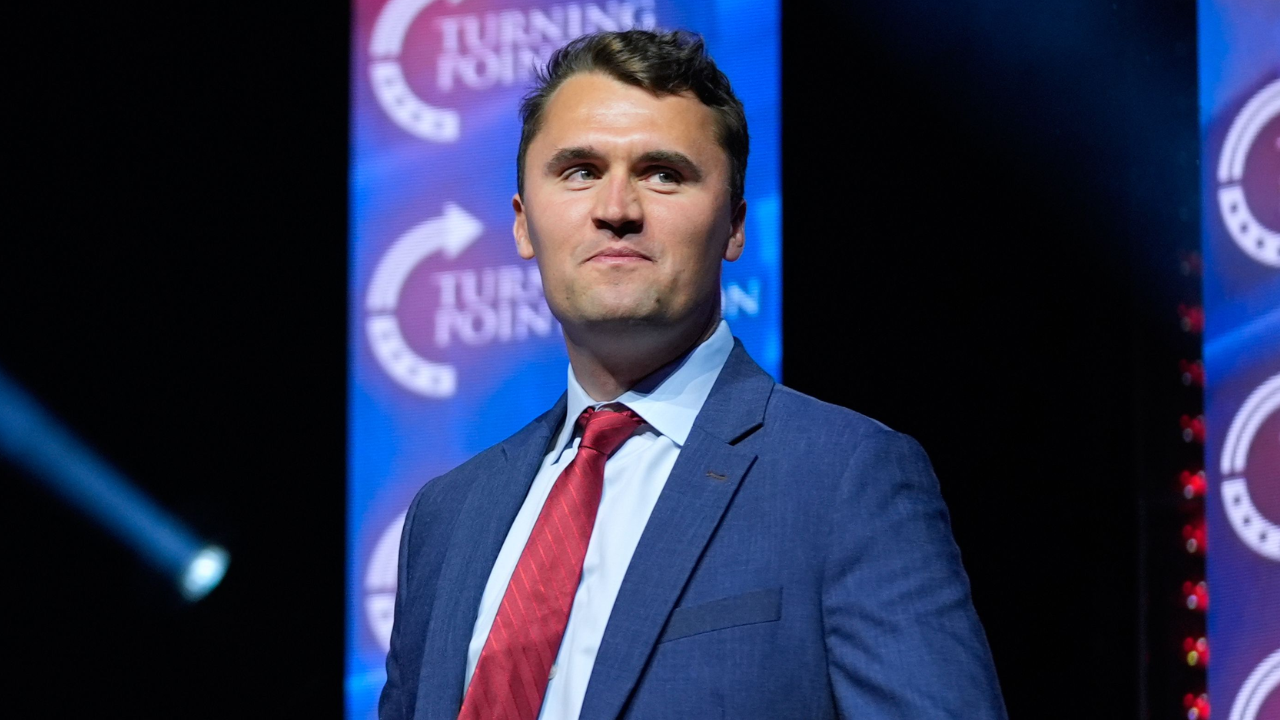
Turning Point Action, the grassroots mobilization arm founded by the late Charlie Kirk, announced it will deploy resources to assist Utah GOP Chair Rob Axson in overturning Proposition 4, a 2018 ballot measure that reshaped how congressional districts are drawn in the Beehive State.
Tyler Bowyer, Chief Operating Officer of Turning Point Action, confirmed the organization’s commitment to establishing a lasting presence in Utah. The group, which operates one of the most extensive voter mobilization networks in the western United States, employs hundreds of full-time staff members dedicated to conservative causes.
“Turning Point Action will show up to support the president and it will likely result in us permanently sticking around Utah thanks to this,” Bowyer stated, marking the organization’s first substantive involvement in Utah politics beyond candidate endorsements.
Understanding the Redistricting Controversy
Utah voters narrowly approved Proposition 4 in 2018 with 50.3 percent support through the Better Boundaries initiative. The measure created an independent commission tasked with recommending congressional maps to state legislators while establishing safeguards against partisan gerrymandering.
However, the relationship between lawmakers and the commission deteriorated quickly. In 2020, the Utah State Legislature modified the law to make commission recommendations advisory rather than binding. The following year, legislators adopted a congressional map that critics argued deliberately fragmented Democratic voting strength in Salt Lake County across multiple districts.
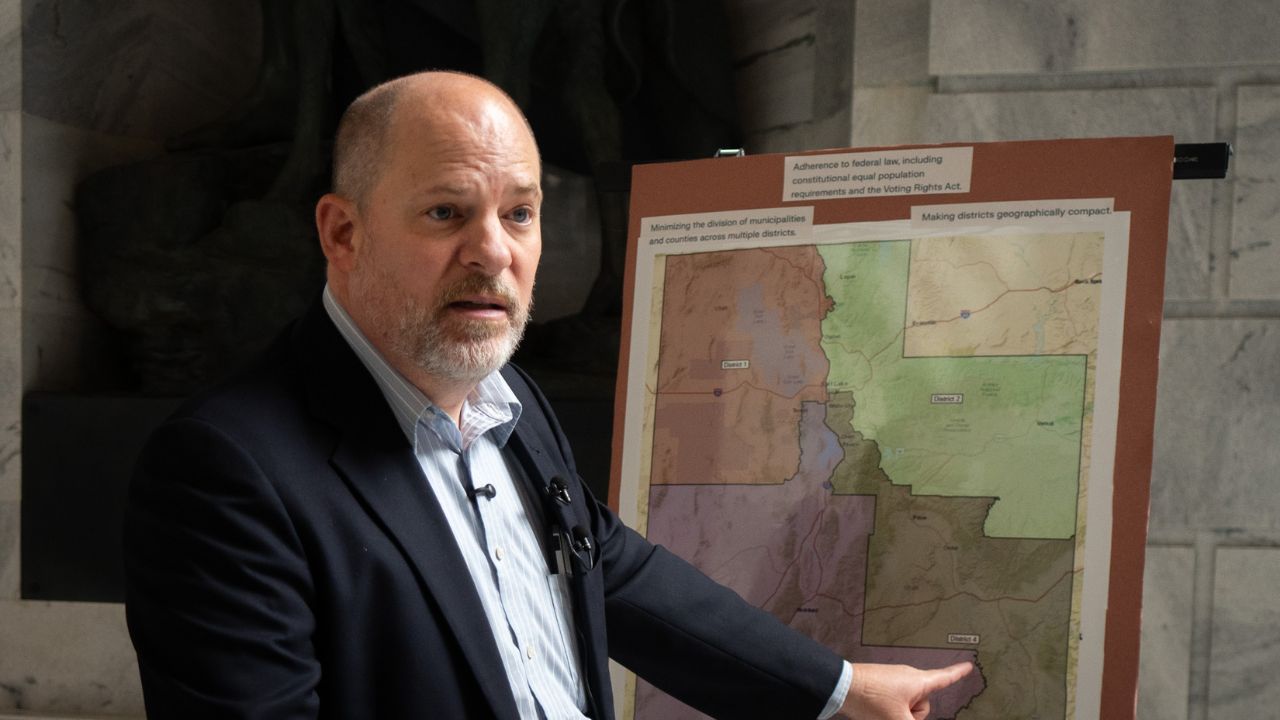
Republican officials maintain their opposition stems from judicial overreach rather than partisan advantage. They point to recent court decisions, particularly a November ruling by 3rd District Court Judge Dianna Gibson, which rejected the Legislature’s latest redistricting attempt and implemented a plaintiff-proposed map creating a Democratic-leaning district in Salt Lake County.
Axson characterized the judicial intervention as a fundamental threat to representative government. He argued that allowing courts to impose congressional boundaries undermines the constitutional separation of powers and removes accountability from elected officials.
The Signature Collection Campaign
Repealing Proposition 4 requires collecting approximately 141,000 validated signatures from Utah voters by February 14, representing eight percent of active registered voters statewide. County clerks must verify these signatures before a March 7 deadline.
The Utah GOP has mobilized nearly 1,000 volunteers alongside 200 to 250 paid signature gatherers. Axson reported the campaign has already secured tens of thousands of signatures through door-to-door canvassing and retail location outreach.
Financial backing for this multimillion-dollar operation flows through Utahns for Representative Government, the party’s political interest committee. To date, the committee has received $4.35 million from a single donor: Securing American Greatness Inc., a Massachusetts-based nonprofit organization that contributed over $50 million to Trump-aligned political action committees during the 2024 election cycle.
Addressing Outside Influence Concerns
The involvement of national organizations and out-of-state funding has prompted questions about external influence on Utah’s political process. These concerns mirror criticisms Republicans previously leveled against Better Boundaries when it received progressive nonprofit support in 2018.
Axson defended the partnership by emphasizing that Patriot Grassroots, the conservative organization contracted to coordinate signature collection efforts, maintains strong Utah connections. The group received more than $27 million from Trump-affiliated committees in 2024 for voter turnout operations in battleground states.
Elijah Day, president of Patriot Grassroots and a 2019 Southern Utah University graduate, pushed back against characterizations of his organization as outsiders. He stressed that the leadership team has maintained long-standing involvement in Utah political affairs.
Patriot Grassroots compensates employees on an hourly basis to gather signatures and explain the initiative’s purpose to voters. Workers are required to provide the full initiative text and information about signature removal procedures when requested.
Broader National Context
Turning Point Action’s Utah involvement represents part of a broader national strategy focused on redistricting battles. The organization recently demonstrated its influence in Indiana, where activists packed the state capitol to pressure Republican senators into passing a congressional map that would eliminate two Democratic-leaning districts.
The group gained national prominence during the 2024 presidential election for its intensive ballot-chasing operations that increased turnout for President Donald Trump in competitive states including Arizona and Nevada. This expertise in grassroots mobilization and voter contact now shifts toward redistricting contests across multiple states.
Public Opinion and Electoral Path
Recent polling suggests Utah voters harbor reservations about judicial involvement in redistricting decisions. A Sutherland Institute survey found that most Utah residents prefer having the Legislature select congressional maps with assistance from an advisory committee or commission, rather than courts making final determinations.
The initiative will appear on the November 2026 general election ballot if signature requirements are met. Voters will decide whether to maintain the current redistricting framework established by Proposition 4 or return full map-drawing authority to elected legislators.
Axson framed the question as transcending partisan politics, arguing that voters across the political spectrum should oppose what he describes as judicial interference in the legislative process. He contended that the current situation allows special interest organizations to implement preferred congressional districts through litigation when judges determine those maps better align with their interpretation of Proposition 4.
The outcome will determine not only how Utah draws its congressional districts but also establish precedent for the balance of power between courts, legislatures, and voter-approved initiatives in the state’s governance structure.