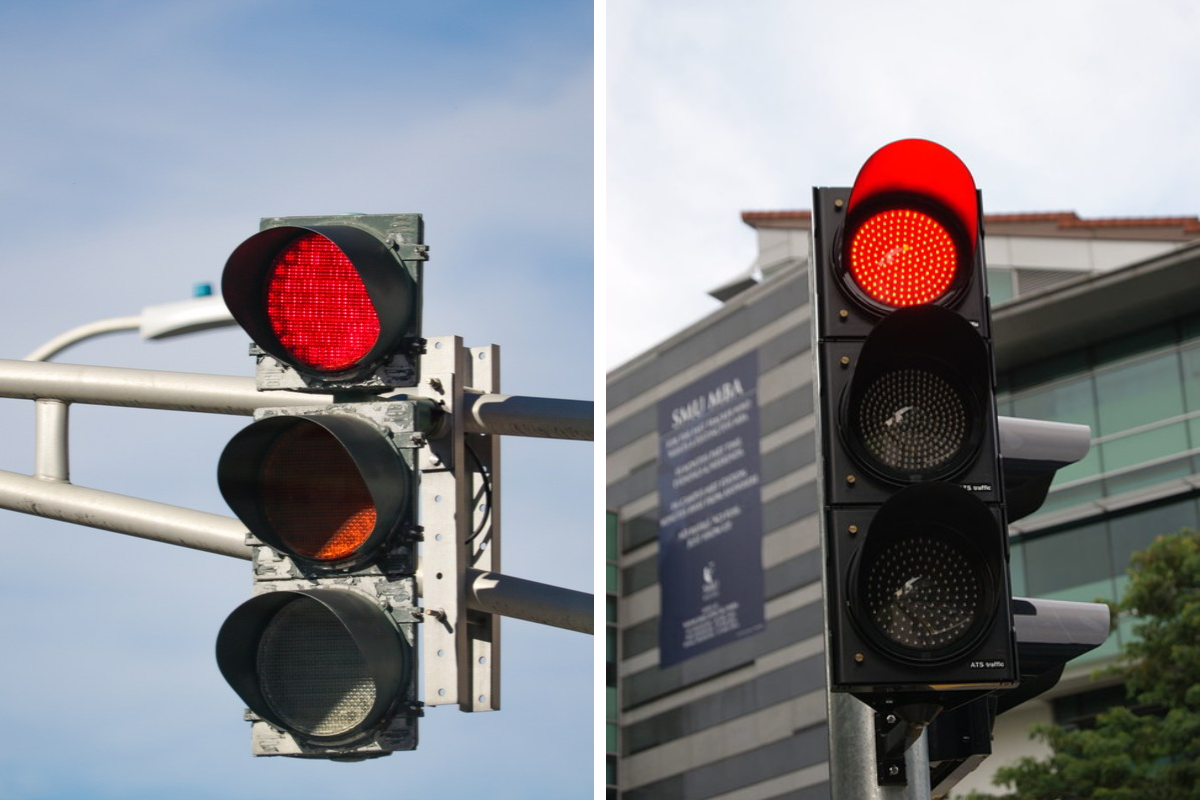
Maine’s right turn on red rule remains a key part of traffic flow, allowing turns after a full stop unless prohibited.
As of 2026, no major overhauls have occurred since 2025 clarifications on signage and enforcement, prioritizing pedestrian safety amid urban growth. Drivers must master these nuances to avoid fines while keeping intersections efficient.
Core Rule Explained
The right turn on red permits drivers facing a red light to turn right after stopping completely, yielding to all oncoming traffic, pedestrians, and cyclists. This applies unless a “No Turn on Red” sign is posted, which overrides the default permission. A red arrow specifically bans the turn, unlike a solid red circle.
Key steps include: stopping behind the limit line or crosswalk; scanning left for vehicles with green lights; checking sidewalks for foot traffic; and proceeding only when clear. “Stop Here on Red” signs guide stopping positions near blind spots but don’t prohibit the turn.
2025-2026 Updates
Recent enhancements focus on visibility and compliance without altering the base rule.
Maine introduced clearer signage at high-risk intersections and stricter urban enforcement, with fines rising for failures like rolling stops or ignoring pedestrians. Smart signals in select areas now adjust cycles dynamically, indirectly influencing turn opportunities.
Pedestrian emphasis grew post-2025, mandating waits until crosswalks fully clear, even if the light favors turning. No statewide left-on-red expansion happened, despite past proposals, keeping it limited to one-way scenarios where signed. These tweaks align with national trends for safer flow.
Where It’s Prohibited
Not every corner allows right on red—watch for bans near schools, busy pedestrian zones, or construction. Municipalities assess factors like crash history and foot traffic before posting restrictions. If unsure, treat it as prohibited: better a brief wait than a ticket.
Common no-go spots: downtown Portland crossings, near universities, or residential areas with heavy bike use. Out-of-state drivers often miss subtle signs, so locals advise extra caution during tourist seasons.
Penalties and Enforcement
Violations trigger civil infractions with fines starting at $100-$250, plus points on your license that hike insurance.
Police target urban hotspots via cameras and patrols, emphasizing education over punishment for first offenses. Accumulating points risks suspension, especially with distracted driving bans layered on.
Defenses like obstructed signs rarely hold without proof; dashcams help disputes. Safe habits prevent issues—always yield fully.
Safety Tips and Best Practices
Scan beyond the obvious: blind-spot cyclists hug curbs during turns. In winter, ice demands wider stops; summer crowds need patience. New drivers should practice at low-stakes intersections.
Tech aids like apps mapping no-turn zones complement vigilance. Maine’s DMV stresses this rule cuts congestion 10-15% when followed right, balancing speed and security.
For official details, check Maine Legislature statutes (Title 29-A §2071) or DMV resources—laws evolve with data.
SOURCES :
- https://rivercityomaha.com/2025/03/maine-traffic-rule-2025-update-understanding-the-right-turn-on-red-rule/
- https://www.drivinglaws.org/resources/maine-red-light-stop-sign-tickets.html