Social media feeds across America have exploded with claims about a massive $2,000 stimulus payment supposedly arriving in bank accounts before year’s end. With rising costs squeezing household budgets nationwide, millions of Americans are searching for answers about this potential financial relief.
The reality behind these viral claims reveals a complex mix of political proposals, misinformation, and genuine tax credits that many citizens may actually qualify for. Understanding the difference could mean the distinction between falling for scams and claiming legitimate government benefits.
Understanding the $2,000 Stimulus Payment Rumors
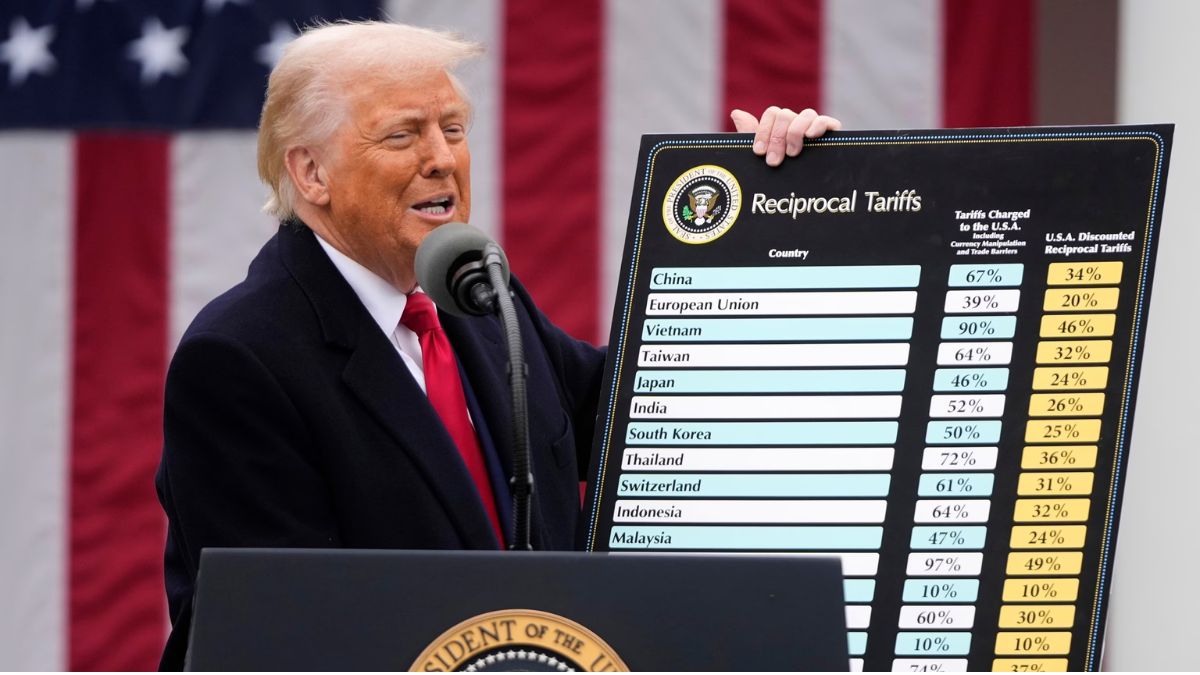
The widespread speculation about $2,000 payments stems from multiple sources that have merged into a confusing narrative. During late 2024 and early 2025, discussions emerged regarding potential “tariff dividend” programs that would redistribute revenue collected from import duties directly to American taxpayers.
Former President Trump referenced this concept through social media channels, suggesting that tariff collections exceeding $214 billion could fund direct payments to middle and lower-income households. The proposal theoretically aimed to offset inflationary pressures that have kept consumer prices elevated throughout 2025.
However, checking the official IRS website reveals no announcements regarding any such payment program for 2025. The agency’s newsroom contains updates about tax filing procedures, retirement account changes, and standard refund processing, but mentions nothing about new stimulus distributions.
Fact-checking organizations have traced many of these claims to unreliable websites that fabricated specific payment dates, often claiming deposits would arrive in October 2025. These dates came and went without any government-issued payments, confirming the speculative nature of these reports.
Why These Payment Claims Gained Traction
Several factors contributed to the viral spread of stimulus check misinformation during 2025. The economic environment created fertile ground for these rumors to take root and spread rapidly across digital platforms.
Inflation rates hovering around 3 percent throughout the year meant many households felt genuine financial strain. Holiday shopping seasons amplified anxiety about budgets, making the promise of $2,000 particularly appealing to struggling families.
The rumors also drew energy from legitimate legislative proposals that stalled in Congress. The American Worker Rebate Act, introduced in mid-2024, proposed payments ranging from $600 to $2,400 for qualifying taxpayers. While this bill never passed, mentions of it blended with tariff discussions to create confusion.
Additionally, some Americans legitimately received payments in late 2024 and early 2025, but these came from unclaimed Recovery Rebate Credits from previous tax years, not new stimulus programs. The Department of Treasury processed these automatic payments for eligible non-filers, which further muddied the waters.
State-level rebate programs also contributed to the confusion. Alaska’s Permanent Fund Dividend and targeted rebates in states like New Jersey provided real money to residents, but these state payments were misrepresented as federal stimulus checks in viral posts.
Actual Eligibility Criteria If Future Payments Materialize
While no $2,000 stimulus program currently exists, analyzing past payment structures and current proposals reveals what eligibility requirements might look like should Congress approve such relief.
Income thresholds would likely mirror previous stimulus distributions. Single filers earning under $75,000 in adjusted gross income would probably receive full payments, with amounts phasing out gradually for higher earners. Joint filers might see thresholds set at $150,000, with complete phase-outs potentially occurring around $100,000 for individuals.
Tax filing status would almost certainly determine eligibility. Anyone who filed a 2024 federal tax return with a valid Social Security Number would position themselves for potential payments. Non-filers might need to submit returns specifically to claim benefits, even if their income falls below standard filing requirements.
Citizenship and residency requirements typically restrict federal benefits to U.S. citizens and legal permanent residents. Dependent children could trigger additional payments per household, potentially adding $500 to $1,000 per qualifying child under age 17.
Priority processing might favor specific demographics. Social Security recipients, veterans, and individuals receiving Supplemental Security Income or disability benefits could see automatic payments processed through existing government payment systems.
Timeline Realities for Potential Future Payments
The October 2025 dates circulated online proved entirely fictional. No payments occurred during that timeframe, and no credible indicators suggest imminent distributions before 2026.
If Congress were to pass stimulus legislation based on tariff revenue or other funding mechanisms, the realistic timeline would extend well into 2026. Budget negotiations and legislative processes typically require months to complete, meaning early 2026 represents the absolute earliest possible announcement window.
First-wave distributions historically favor electronic payment recipients. Direct deposit recipients who maintain current banking information with the IRS typically receive funds within three weeks of approval. This suggests March through June 2026 as the earliest plausible distribution period if legislation passed in early 2026.
Full distribution phases historically span several months. The IRS processes payments in waves organized by Social Security Number ranges and income brackets, meaning complete rollout could extend through summer 2026 even under optimistic scenarios.
Paper check recipients face longer waits. Physical checks require printing, mailing, and manual processing, typically adding four to six weeks compared to electronic deposits.
Actionable Steps to Prepare for Legitimate IRS Payments
Even without confirmed stimulus legislation, taxpayers can take concrete actions now to position themselves for any future benefits while accessing currently available tax credits.
Filing complete and accurate 2024 tax returns represents the single most important preparation step. The IRS uses tax return information to calculate eligibility and payment amounts for all federal benefit programs. Free filing options exist through IRS Free File for taxpayers earning under $79,000 annually.
Updating direct deposit information eliminates payment delays. Taxpayers should verify their banking details through their IRS online account, ensuring routing and account numbers match active checking or savings accounts. This simple five-minute task can accelerate payment receipt by weeks.
Claiming all eligible tax credits maximizes legitimate refunds regardless of stimulus speculation. The Earned Income Tax Credit provides up to $7,000 for qualifying low-to-moderate income workers with children. Child Tax Credits, education credits, and energy efficiency credits can substantially increase refund amounts.
Reviewing previous tax years for missed credits could yield unexpected payments. Taxpayers who failed to claim Recovery Rebate Credits from 2020 or 2021 may still amend returns within the allowable timeframe, potentially recovering up to $1,400 per person plus dependent amounts.
Creating or accessing an IRS online account enables real-time refund tracking. The “Where’s My Refund?” tool provides status updates within 24 hours of e-filing, eliminating uncertainty about payment processing.
Protecting Yourself from Stimulus Check Scams
The proliferation of stimulus rumors has created ideal conditions for fraud. Criminals exploit confusion and desperation to steal personal information and money from vulnerable Americans.
The IRS never initiates contact through unsolicited phone calls, emails, or text messages requesting personal information. Any communication claiming to come from the IRS that asks for Social Security Numbers, banking details, or credit card information represents a scam attempt.
Legitimate government payments never require upfront fees. Scammers often demand “processing fees” or “activation charges” to supposedly unlock stimulus payments. The IRS deposits funds directly without any cost to recipients.
Only official government websites ending in “.gov” provide accurate information about federal benefits. Sites with similar-sounding domain names using “.com” or “.org” extensions often spread misinformation or harvest personal data for identity theft.
Verifying claims through official sources prevents falling for misinformation. Before acting on any stimulus payment claim, taxpayers should directly check IRS.gov or contact the agency through phone numbers listed on official documents, never through numbers provided in unsolicited communications.
Reporting suspected fraud protects the broader community. The Federal Trade Commission accepts scam reports at FTC.gov, helping authorities track and shut down fraudulent operations.
Real Financial Relief Options Available Now
Rather than waiting for speculative stimulus payments, Americans can access numerous legitimate financial benefits through existing government programs and tax provisions.
State-level rebate programs operate independently of federal stimulus discussions. Several states distributed targeted payments to residents during 2025 based on state budget surpluses or specific relief legislation. Checking state revenue department websites reveals available programs.
Social Security cost-of-living adjustments provide annual increases tied to inflation. The 2026 COLA increase of 2.5 percent will boost monthly benefits for over 70 million Americans receiving Social Security or Supplemental Security Income.
Unclaimed tax refunds represent free money many taxpayers overlook. The IRS estimates billions in unclaimed refunds exist from taxpayers who never filed returns despite having taxes withheld. Filing returns for previous years within the three-year window allows claiming these refunds.
Energy efficiency tax credits expanded significantly under recent legislation. Homeowners investing in solar panels, heat pumps, or energy-efficient windows can claim substantial credits reducing tax liability or increasing refunds.
Healthcare premium tax credits help millions afford health insurance. Taxpayers purchasing coverage through health insurance marketplaces may qualify for advance premium tax credits or reconciliation credits when filing returns.
The Bottom Line on $2,000 Stimulus Checks
No $2,000 stimulus payment program exists as of December 2025. Claims about October payments proved entirely false, and no credible evidence suggests imminent federal stimulus distributions before 2026 at the earliest.
Any future stimulus program would require Congressional approval, presidential signature, and IRS implementation processes spanning months. Tariff revenue proposals remain theoretical discussions without legislative action.
Taxpayers should focus energy on accessing legitimate benefits through proper tax filing, credit claims, and state programs rather than chasing unconfirmed payment rumors. Filing complete 2024 tax returns before deadlines ensures eligibility for all available credits and positions filers for any future relief programs that may emerge.
Maintaining healthy skepticism toward viral claims protects against scams while reducing disappointment. Official government announcements through IRS.gov and Treasury.gov represent the only reliable sources for federal benefit information.
The path to legitimate financial relief runs through accurate tax filing, informed credit claiming, and careful avoidance of misinformation and fraud. Americans seeking assistance should prioritize verified programs over speculative promises.