
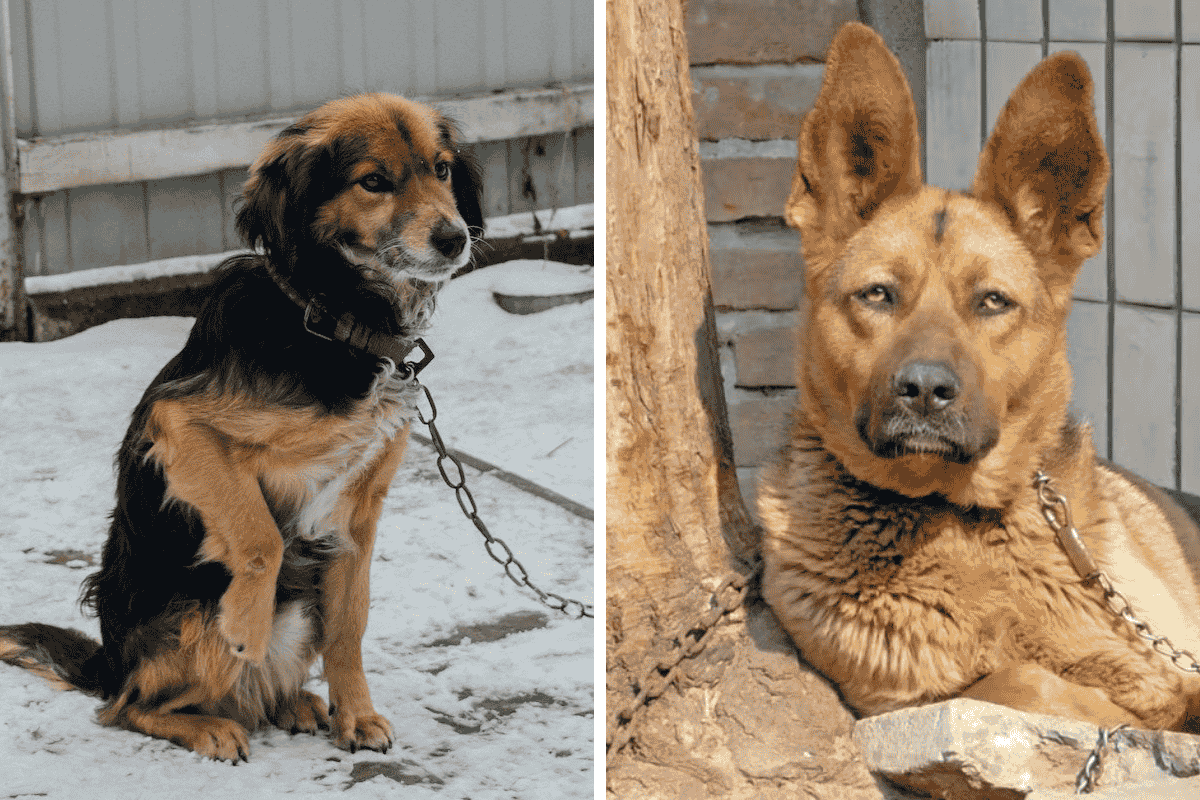
New Mexico lacks a statewide ban on leaving pets chained outside, but anti-cruelty laws under NMSA § 30-18-1 prohibit neglect like inadequate shelter, water, or excessive chaining that causes suffering. Local ordinances, especially in Albuquerque, impose strict time and equipment limits to prevent prolonged tethering. Pet owners must prioritize humane conditions amid rising enforcement in urban areas.
Statewide Anti-Cruelty Framework
New Mexico’s cruelty statute makes it a misdemeanor to confine animals inhumanely, including chaining without shade, food, clean water, or during extreme weather—fines up to $1,000 and jail time apply. No blanket prohibition exists, but chaining must allow natural movement; violations escalate to felonies if injury occurs. Courts interpret “neglect” broadly, covering chains too short or heavy.
Albuquerque’s Strict Rules
Albuquerque’s HEART Ordinance bans chaining dogs over one hour in 24 without supervision, requiring lightweight chains (≤1/8 animal’s weight), 12-foot minimum length, harnesses, swivels, and barriers against entanglement or at-large dogs. Trolleys need permits and cap at nine hours daily; crates cannot substitute fences. Enforcement via animal control yields citations or impoundment.
Other Local Variations
Santa Fe and Las Cruces enforce similar humane tethering via county codes, limiting unattended chaining and mandating exercise areas. Rural counties defer to state law but inspect during complaints. No 2026 statewide tethering bill passed, preserving local flexibility.
Safety and Health Risks
Prolonged chaining causes aggression, injuries from tangles, hypothermia in winter, or heatstroke above 90°F—New Mexico’s climate amplifies dangers. Vets recommend daily walks, socialization, and fenced yards over chains.
Best Practices for Compliance
Use quick-release collars, provide insulated shelters, rotate areas, and monitor hourly; opt for invisible fences or runs. Indoor housing during nights or heat; microchip and vaccinate per rabies rules. Community reports trigger checks—document care routines.
Penalties and Enforcement Trends
First offenses draw warnings or $100–$500 fines; repeats risk animal seizure, misdemeanor charges ($500–$5,000), or felony if death results (up to 18 months prison). 2025 saw increased patrols in Albuquerque amid cruelty spikes.
SOURCES:
- https://www.peta.org/issues/animal-companion-issues/ordinances/tethering-albuquerque-new-mexico/
- https://www.cabq.gov/pets/animal-protection-services/heart-ordinance-information