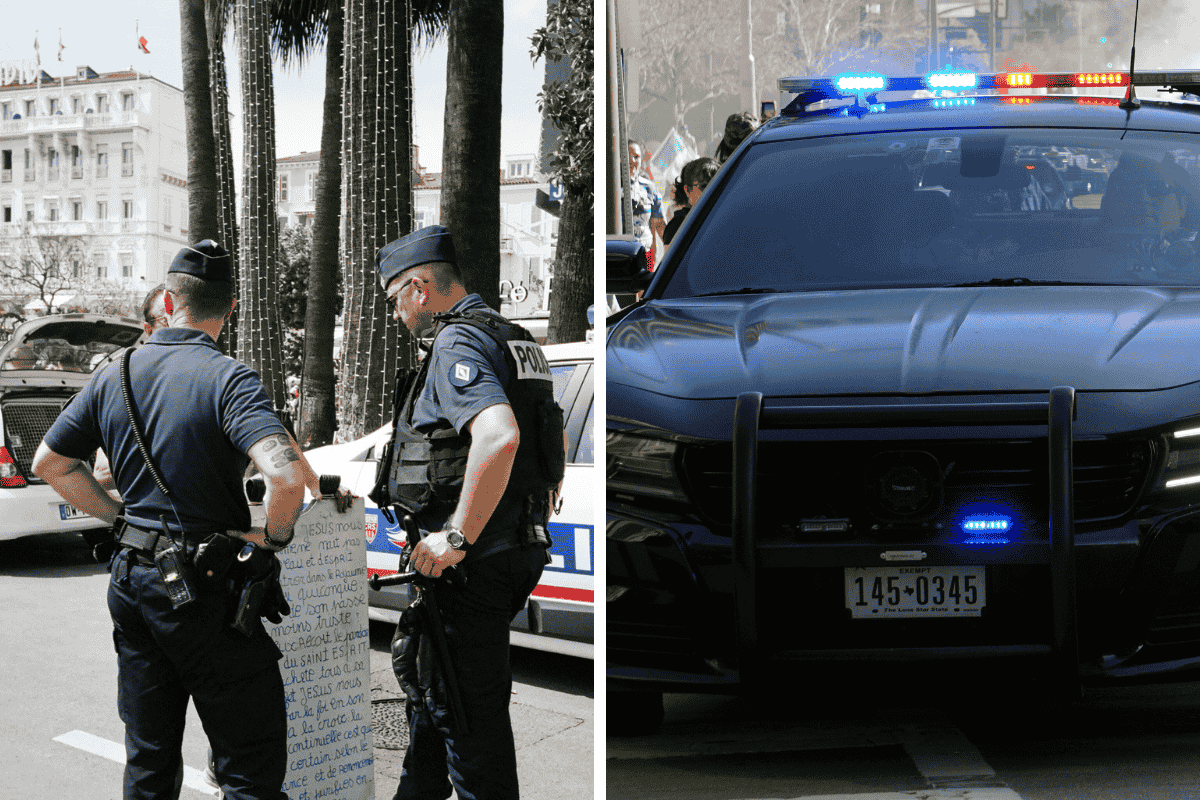

Flipping off a cop in Hawaii is not illegal—it’s protected free speech under the First Amendment. Courts nationwide, including Hawaii’s federal districts, consistently rule that rude gestures toward police don’t qualify as disorderly conduct or obstruction unless they incite imminent harm or block duties.
First Amendment Shield
The U.S. Supreme Court’s Cohen v. California (1971) established that offensive expressions in public, absent fighting words, enjoy full protection. Hawaii follows suit: gestures like middle fingers lack “true threats” or incitement per Brandenburg v. Ohio (1969), even if officers take offense.
Hawaii Disorderly Conduct Law
HRS § 710-1101 defines disorderly conduct as making unreasonable noise, using abusive language likely to provoke violence, or obstructing pedestrian traffic with intent to interfere. Courts interpret “abusive language” narrowly—single gestures fail this test, as seen in federal cases like State v. Hauge (D. Haw. 2019) dismissing similar charges.
Police Obedience Statute
HRS § 710-1008 requires complying with lawful police orders, but flipping off isn’t refusal—it’s expression during a consensual encounter. Honolulu PD clarifies no law mandates politeness; retaliation via stops violates clearly established rights, risking §1983 suits.
Key Case Precedents
- Fields v. City of Philadelphia (3rd Cir. 2017): Officers sued for arresting flip-off motorist—dismissed as speech.
- State v. Chung (Haw. App. 2014): Verbal insults to cops vacated as protected.
Hawaii’s 9th Circuit aligns, overturning arrests for profane gestures absent obstruction.
When It Crosses Lines
Gestures become actionable if paired with blocking vehicles, yelling slurs inciting crowds, or during active investigations. Officers can’t demand silence; demanding ID needs reasonable suspicion.
Practical Outcomes
Videos of HPD stops show ignored gestures; rare tickets get dropped in court. Body cams deter escalation, but dash footage strengthens suppression motions. ACLU Hawaii advises recording openly.
Officer Discretion Risks
Some cops misapply “resisting” (HRS § 710-1106), but prosecutors decline absent violence. Qualified immunity fails for blatant violations post-Riley v. California extensions.
Local Context
Honolulu’s urban stops see more claims, but rural Big Island or Maui enforce similarly laxly. No 2026 changes; Act 259 targets discriminatory calls, not gestures.
SOURCES:
- https://law.justia.com/codes/hawaii/title-37/chapter-710/section-710-1078/
- https://www.facebook.com/honolulu.police/posts/we-recently-received-questions-about-a-law-known-as-obedience-to-police-officers/1120195693477320/