Flipping off a cop in Alabama remains fully legal, protected as free speech under the First Amendment and reinforced by federal court precedents like City of Houston v. Hill (1987). No state statute criminalizes gestures of contempt alone, such as the middle finger, unless they escalate to direct threats, disorderly conduct, or obstruction.
Officers cannot retaliate with stops, arrests, or escalated tickets based solely on rude expressions, though real-world tensions sometimes test these boundaries.
First Amendment Protections
The U.S. Supreme Court has long affirmed that verbal or gestural criticism of police qualifies as protected speech. In Houston v. Hill, a unanimous ruling struck down ordinances punishing “opposing” officers verbally, stating the Constitution safeguards “a significant amount of verbal criticism.” Federal appeals courts echo this: the Second Circuit (Swartz v. Insogna, 2013) and Sixth Circuit (2019) upheld middle-finger cases against officers, rejecting qualified immunity claims.
Alabama aligns without specific “disrespect” laws—§ 13A-11-8 covers harassment only with intent to alarm via threats, not gestures. Proposed bills criminalizing “abusive language” failed, preserving status quo.
Relevant Alabama Statutes
No code targets gestures; focus falls on actions crossing into crimes.
- Disorderly Conduct (§ 13A-11-7): Requires fighting words or tumultuous behavior causing public alarm—flipping off alone doesn’t qualify.
- Obstructing Governmental Operations (§ 13A-10-2): Applies to physical interference, not expressions.
- Harassment (§ 13A-11-8): Needs words likely to provoke violence; protected speech exempt.
Recent HB202 (2025) expanded police immunity for force but ignored speech issues, prioritizing officer protection amid recruitment challenges.
Real-World Scenarios and Risks
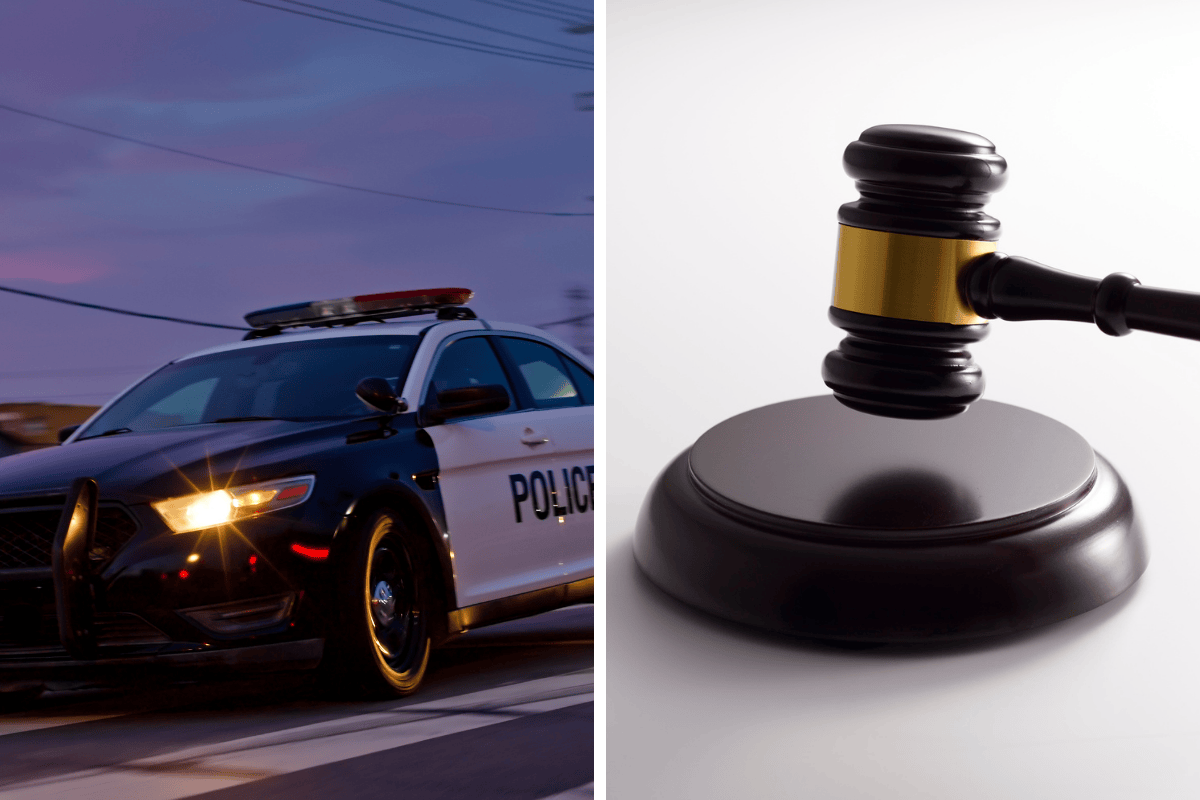
Highway stops spark most incidents—drivers flipping off during tickets have sued successfully when officers retaliated. Courts award damages (e.g., $40K+ in some cases) for unlawful stops, affirming gestures don’t justify pretextual actions.
Urban areas like Birmingham see more friction; rural patrols emphasize de-escalation. Body cams deter abuse, with dash footage pivotal in lawsuits. “Contempt of cop” persists culturally but crumbles legally—90% of federal challenges succeed.
Officer Discretion and Best Practices
Police train on ignoring provocations; violations trigger internal affairs probes. Drivers should comply with lawful orders while filming—hands visible, words minimal. Post-incident, file complaints via department portals or sue federally for rights breaches.
Alabama’s “back the blue” push (2025 laws) shields justified force but upholds speech rights, balancing public safety with constitutional guarantees.
Escalation Prevention
Gestures rarely help; silence complies faster. Courts award costs to prevailing citizens, deterring overreach. Advocacy groups like ACLU track patterns, pushing reforms.
SOURCES:
- https://en.wikipedia.org/wiki/Contempt_of_cop
- https://www.facebook.com/groups/992130641143812/posts/2443511592672369/