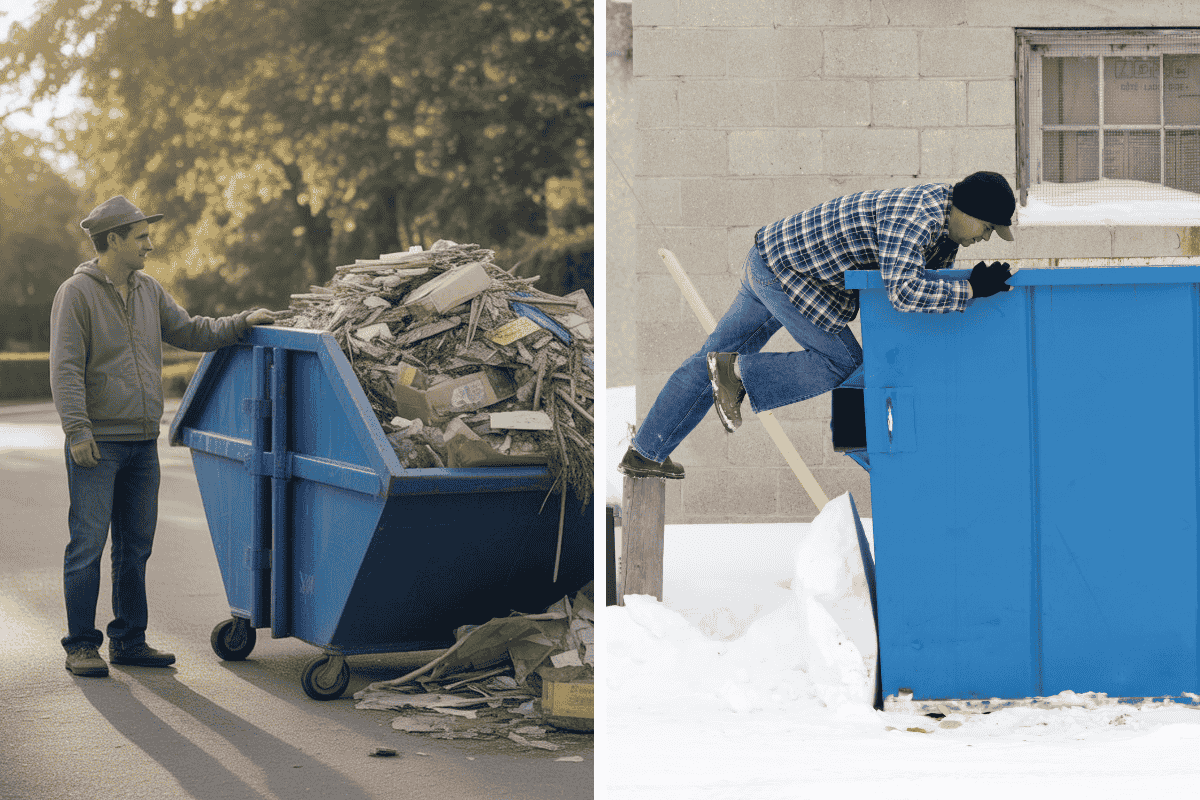
Dumpster diving is generally legal in Utah as there’s no statewide prohibition, but trespassing laws and local ordinances can make it risky or illegal in specific areas. Once trash is discarded in accessible dumpsters, it becomes public property, though private lots demand caution.
Statewide Legality
Utah property laws treat discarded items in dumpsters as abandoned, allowing retrieval without theft charges. No state statute bans the practice outright, aligning with federal precedent like California v. Greenwood (1988), which upheld trash searches. Time of day doesn’t matter, but nighttime dives raise suspicion.
Local Restrictions
Cities like Layton (ordinance 4-2-5) and Orem ban rummaging through waste containers, with fines up to $1,000 or misdemeanor charges. Logan has similar “scavenging prohibited” rules. Salt Lake City and Provo tolerate it if dumpsters aren’t locked or signed, but enforcement varies by complaints. Always check municipal codes before diving.
Trespassing Risks
Entering private property—like behind stores or fences—without permission constitutes criminal trespass (Utah Code § 76-6-206), a class B misdemeanor with up to 6 months jail. Gated, locked, or “No Trespassing” dumpsters are off-limits; public curbside bins are safest.
Safety and Best Practices
Hazards include needles, biohazards, and tetanus; wear gloves, boots, and masks. Leave no mess to avoid littering citations. For gardeners or community projects seeking supplies, retail dumpsters (grocery, hardware) yield usable items like plants or tools. Apps like TrashNothing connect donors legally.
Penalties Overview
Trespass: $1,000 fine max. Local bans: $100-1,000 citations. Theft claims rare if items are truly discarded. Police may warn first; repeat offenses escalate.
SOURCES:
- https://travelwiththegreens.com/is-dumpster-diving-legal-in-utah.html
- https://dumpsterquest.com/legal-dumpster-diving-in-utah-know-the-rules/