
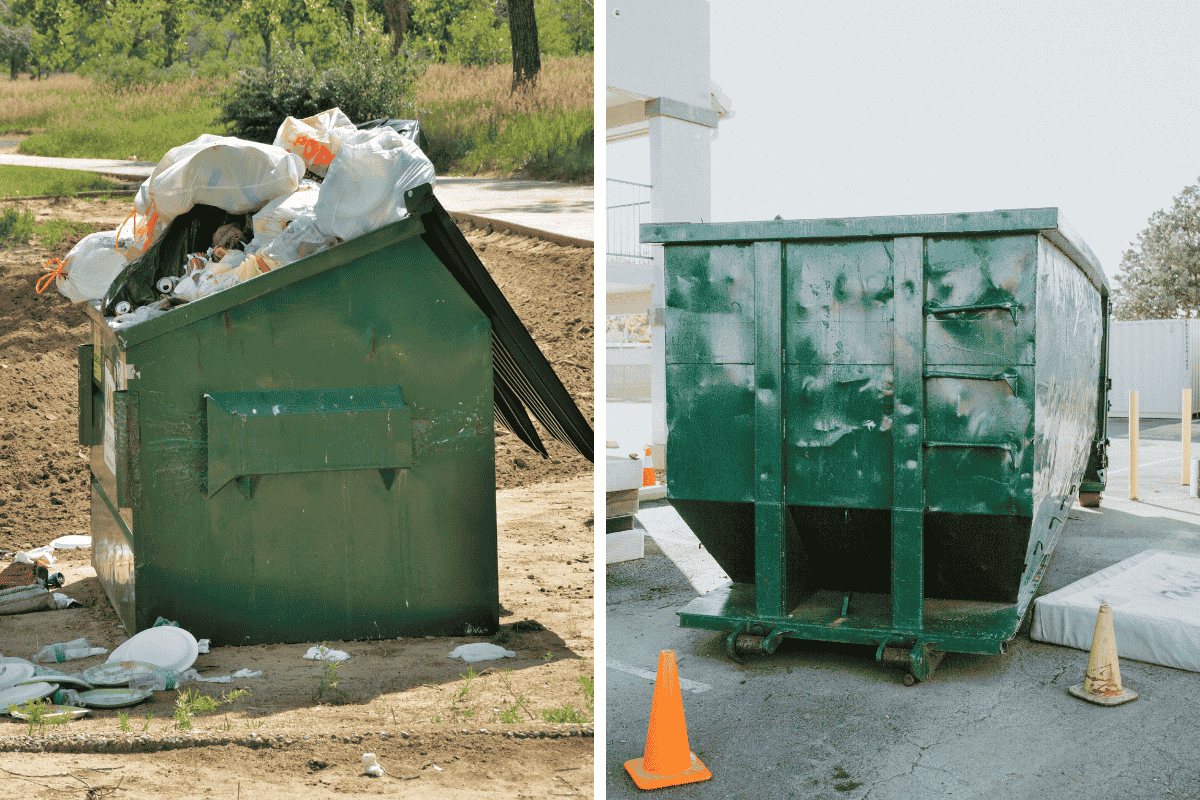
Dumpster diving, the practice of scavenging through commercial or residential trash for reusable items, operates in a legal gray area in Kansas, generally permitted on public property but risky on private land due to trespassing concerns.
Without a statewide ban, it hinges on local ordinances, property rights, and common-sense precautions, making it viable for food recovery or treasure hunting amid economic pressures. Kansas courts view discarded trash as abandoned property once curbside, but crossing fences or “no trespassing” signs flips it to potential crime.
Statewide Legal Framework
Kansas lacks specific statutes outlawing dumpster diving, aligning with U.S. Supreme Court precedent like California v. Greenwood (1988), which holds that voluntarily abandoned trash in public view carries no privacy expectation.
Key risks stem from trespass under K.S.A. 21-5808 (criminal trespass, misdemeanor with up to $1,000 fine or 6 months jail) and theft if items aren’t fully discarded. Public dumpsters—alleys, curbside bins post-collection—remain fair game statewide, promoting waste reduction without legal peril.
Local Ordinances and Variations
Lawrence enforces strict rules via city code, prohibiting removal from others’ waste containers without consent, treating dives as littering or theft with fines up to $500. Overland Park and Kansas City tolerate it absent explicit bans, but businesses post “no dumpster diving” signs invoking private property defenses.
Wichita and Topeka focus on health codes against scattering debris, issuing citations for mess rather than entry. Rural counties lean permissive, prioritizing abandoned goods over urban sanitation worries.
Private Property Pitfalls
Most dumpsters sit behind stores or apartments, demanding permission to avoid trespass charges—verbal or written from managers suffices.
Locked gates or signs elevate risks; police respond to complaints, escalating to arrests if prior warnings ignored. Businesses like bakeries or grocers occasionally permit dives for food waste, fostering community ties while dodging liability. Courts uphold property owners’ rights, fining repeat offenders under nuisance laws.
Public Spaces: Safer Grounds
Alleys and street-side bins qualify as public once trash awaits pickup, legal for foraging unopened bags without entry onto private lots.
Apartments’ curbside dumpsters post-haul mirror this, but active complexes cite lease rules barring scavenging. Municipal landfills or transfer stations prohibit entry for safety, with patrols enforcing no-access zones. Night dives minimize encounters, as daylight visibility aids litter-free exits.
Health, Safety, and Best Practices
Beyond legality, risks include needles, biohazards, and unstable loads; gloves, lights, and sturdy shoes are essentials. Kansas health departments cite foodborne illness from “freegan” hauls, urging cooking scavenged goods.
Leave no trace—scatter prevention avoids citations; sell finds legally via apps, not bulk flipping hinting theft. Apps like TrashNothing map spots; communities share intel on tolerant stores like Aldi or bakeries discarding day-olds.
Enforcement and Penalties
Citations range $50-$500 for trespass or littering; arrests rare unless aggravated (e.g., property damage). Prosecutors drop minor cases lacking complaints, but videos of dives fuel social media escalations. Homeless advocates note selective enforcement, pushing safe zones amid 2026 waste stats showing 40% edible discards. Document permissions; body cams deter hassles.
Alternatives and Advocacy
Food banks via Feeding Kansas reclaim waste legally; urban farms compost scraps. Push local zero-waste policies; 2026 trends favor “dumpster permitted” signs at eco-stores. For profit, seek bulk buyouts from retailers dodging dive bans. Informed divers balance thrift with respect, turning trash to treasure sustainably.
SOURCES:
- https://www.brady-today.com/dumpster-diving-in-kansas/
- https://www.worldlawdigest.com/usa/is-dumpster-diving-legal-in-kansas