
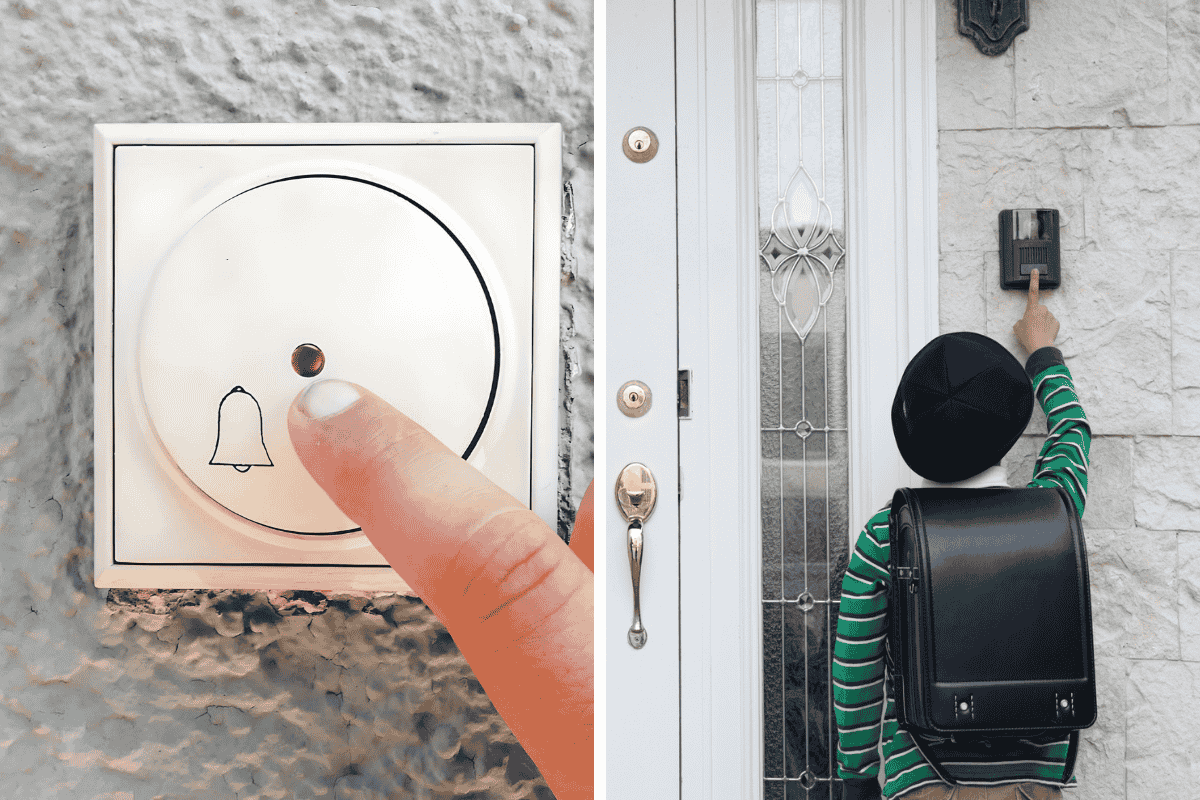
No, ding dong ditching—ringing a doorbell and fleeing—is not explicitly illegal in Louisiana under a specific statute, but it qualifies as criminal trespass if done without property owner permission.
Louisiana Revised Statute 14:63 defines criminal trespass as unauthorized entry onto immovable property, covering doorsteps and porches as private spaces. Additional charges like disturbing the peace (La. R.S. 14:103) or juvenile mischief may apply if the act alarms residents or causes minor damage.
Legal Basis for Trespass
Louisiana’s criminal trespass law prohibits entering or remaining on another’s property without express, implied, or legal authorization, including brief intrusions like approaching a front door uninvited.
Homeowners post “No Trespassing” signs or verbally warn to establish notice; repeated ditching strengthens unauthorized entry claims. First offenses carry fines from $100-$500 or up to 30 days jail; second offenses rise to $300-$750 or 90 days; third-plus hit $500-$1,000 with 60-180 days imprisonment.
The law escalates for aggravated cases, like nighttime acts or property damage, potentially invoking vandalism under La. R.S. 14:56. Courts view intent: harmless pranks rarely lead to full prosecution, but homeowner complaints trigger citations, especially in neighborhoods with active police patrols.
Disturbing the Peace Risks
Beyond trespass, ringing doorbells late at night disturbs quiet enjoyment, violating La. R.S. 14:103’s ban on unreasonable noise or actions alarming others. Penalties include fines up to $500 or 90 days jail for misdemeanors.
Group ditching amplifies as disorderly conduct, mirroring Florida precedents where similar pranks yield arrests. Homeowners may invoke Stand Your Ground under La. R.S. 14:20 if fearing intrusion, though pranks alone rarely justify force.
Juveniles face delinquency proceedings over adult charges, with parents liable for restitution.
Enforcement and Real-World Cases
Local sheriffs enforce via resident reports; doorbell cameras provide key evidence for warrants. No high-profile Louisiana ding dong ditch prosecutions appear in records, but analogous trespass cases—like unauthorized porch loitering—result in pleas or diversions for first-timers. Social media trends amplify scrutiny, with 2025 warnings against viral challenges.
Civil suits for emotional distress or property checks (e.g., wear from fleeing) add financial hits beyond criminal penalties.
Consequences and Prevention
Risks extend to escalation: startled residents arming up or chasing perpetrators lead to assault charges mutually. Teens risk school discipline, driving bans, or records hindering jobs/college. Property owners secure via lights, signs, and apps reporting suspicious activity.
Safer alternatives include organized games; parents educate on boundaries to avoid thrills turning legal nightmares.
Best Practices for Residents
Install motion lights and cameras; post clear signage. Report promptly without confrontation. Community watches deter without vigilantism.
SOURCES:
- https://www.legis.la.gov/legis/law.aspx?d=78584
- https://keeplouisianabeautiful.org/wp-content/uploads/2015/09/CID-Environmental-Crimes-Handbook-2012.10.03-compresses.pdf