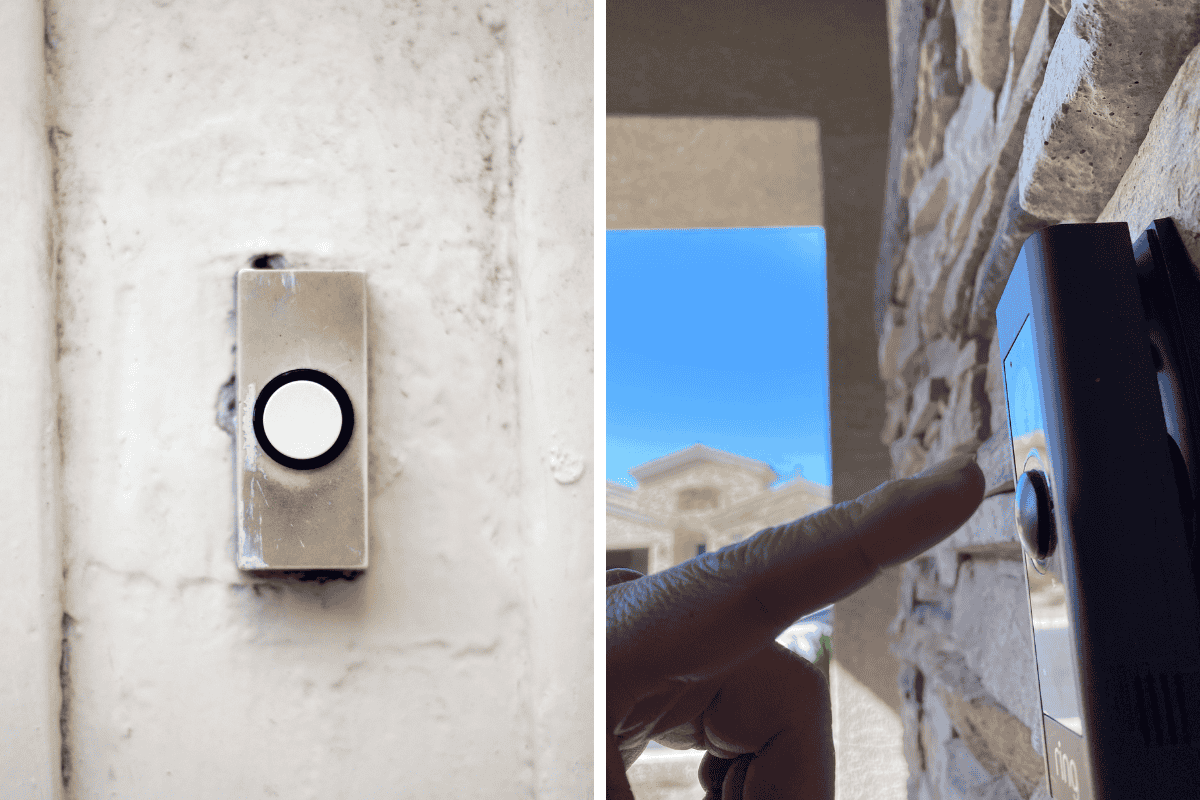
Ding dong ditching, or prank doorbell ringing followed by running away, is not explicitly illegal under a specific Hawaii statute but can violate general disorderly conduct or criminal trespass laws if it alarms residents or involves unauthorized property entry.
Hawaii’s remote neighborhoods and high property values amplify enforcement risks amid rising prank crackdowns. Knowing local nuances helps pranksters—or victims—navigate potential citations without escalating to arrests.
Statewide Legal Framework
Hawaii Revised Statutes § 711-1101 defines disorderly conduct as making unreasonable noise, creating a hazardous condition, or intentionally alarming others in public or private spaces, punishable as a petty misdemeanor ($2,000 fine max).
Isolated dings often draw warnings, but repeats or nighttime acts (after 10 p.m.) trigger police response under noise ordinances. No “ding dong ditch” law exists, mirroring most U.S. states’ reliance on broader codes.
Trespass and Property Rights
HRS § 703-309 covers criminal trespass if crossing fences, gates, or “no trespassing” signs to ring doorbells, escalating to misdemeanor status with jail up to 30 days. Doorbell cameras, legal statewide without consent for video (public view), capture evidence; audio requires one-party consent but homeowners record freely indoors. Rural Big Island or Maui spots see laxer patrols versus Oahu’s HPD focus.
Local Ordinances and Enforcement
Honolulu Municipal Code § 8-4.6 bans excessive noise disturbing peace, fining $100–$500 for residential disruptions; 2026 noise camera pilots on roads indirectly heighten prank scrutiny. Kauai and Maui counties mirror state rules, prioritizing juvenile offenders via diversion programs. Victims file reports leading to no-contact orders.
Risks for Minors and Groups
Teens face juvenile citations or parental liability under HRS § 571-11; groups amplify “public alarm” charges. Fireworks-tied pranks (common New Year’s) risk felony endangerment post-2025 incidents. Social media shares compound harassment claims if identifying victims.
Best Practices and Defenses
Ring briefly during day, avoid properties with cameras/signs; exit public sidewalks only. If confronted, apologize and leave—resistance invites obstruction charges. Victims: Document via Ring/ADT, call non-emergency line. Pranks halt at threats or damage (vandalism under HRS § 708-820).
Comparisons Across Hawaii Islands
Oahu enforces strictly due to density; Big Island rural tolerance yields warnings. No 2026 bills target pranks specifically amid noise/fireworks focus.
SOURCES:
- https://www.security.org/security-cameras/legality/
- https://trackbill.com/bill/hawaii-house-bill-1588-dot-noise-detection-camera-program/2778670/