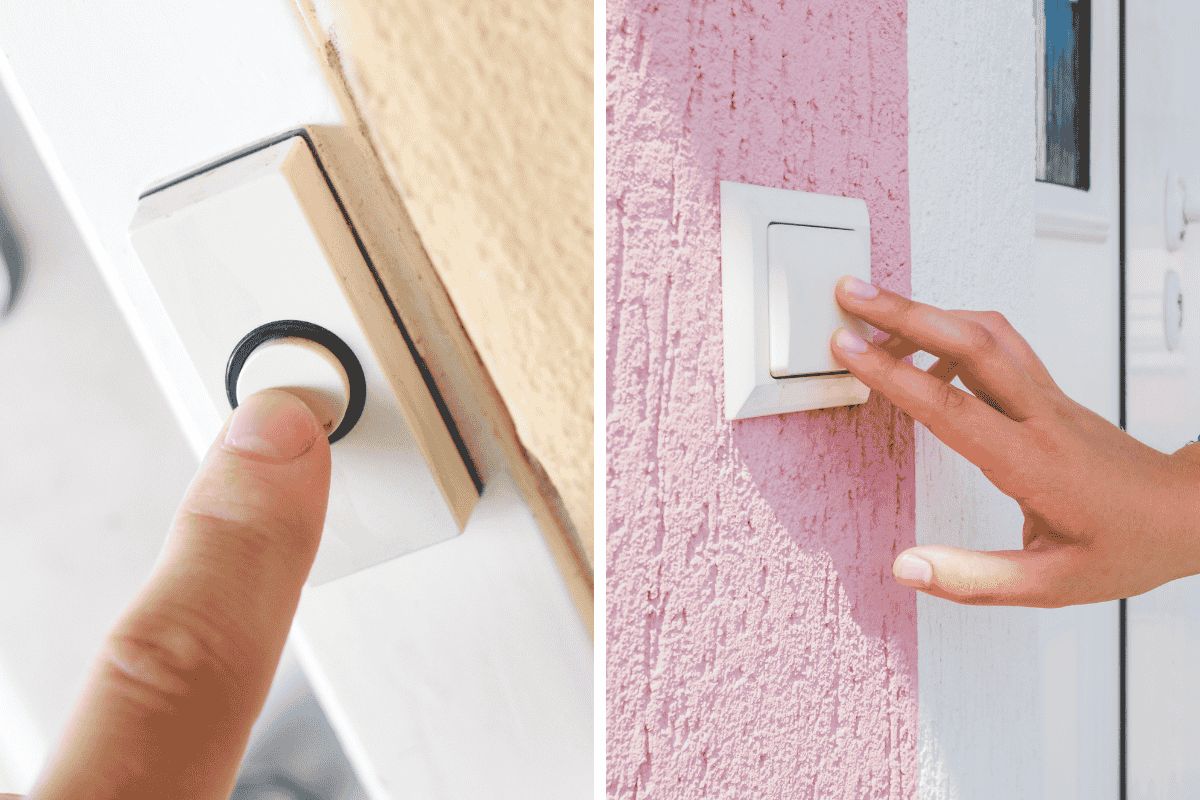
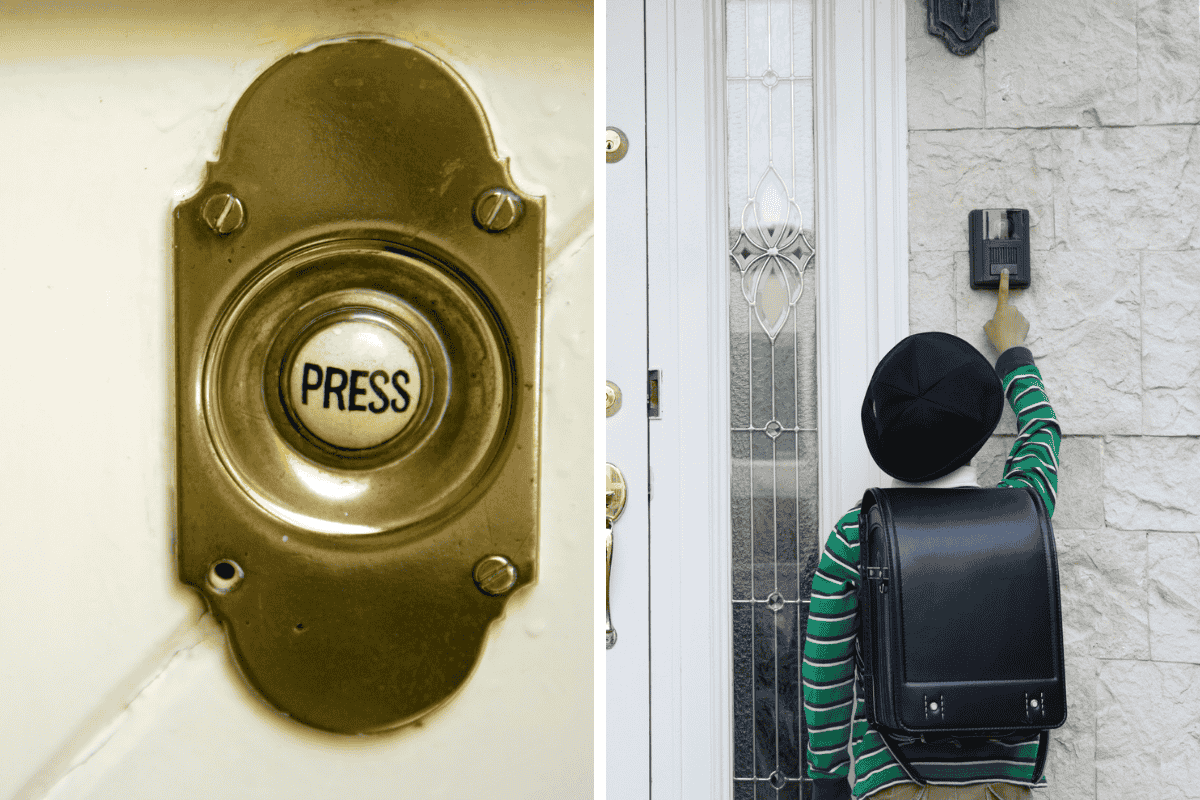
Ding dong ditching, the prank of ringing a doorbell and running away, is not explicitly illegal under a specific Connecticut statute but can violate broader criminal laws on trespass, disorderly conduct, or harassment depending on circumstances.
Connecticut courts treat it as a potential misdemeanor when it alarms residents, damages property, or occurs repeatedly, with penalties escalating based on intent and impact. While often dismissed as youthful mischief, recent cases highlight risks of escalation, making awareness of state codes essential for avoiding charges.
Connecticut Trespass Laws and Property Entry
Connecticut General Statutes §53a-107 defines criminal trespass in the third degree as knowingly entering or remaining on private property without permission, a Class C misdemeanor punishable by up to three months in jail and a $500 fine.
Ding dong ditchers cross onto lawns or porches—considered curtilage—to ring bells, triggering liability if signs prohibit entry or owners verbally revoke consent. Nighttime acts (after dusk) heighten scrutiny under §53a-108 for second-degree trespass, especially in gated communities.
Homeowners frequently report repeat pranks, leading police to issue warnings or citations; video doorbells provide irrefutable evidence under privacy laws allowing exterior recording. Juveniles face juvenile court, but parental liability for restitution applies via §53a-44.
Disorderly Conduct and Public Alarm Provisions
§53a-182 covers disorderly conduct when intent to cause inconvenience, annoyance, or alarm exists through abusive language, reckless noise, or tumultuous behavior in public view.
A single ding dong ditch rarely qualifies, but groups targeting multiple homes or late-night rings alarm neighborhoods, drawing Class B misdemeanor charges with $1,000 fines and 180 days jail. Courts assess context: isolated teen pranks often result in diversions, while persistent acts lead to arrests.
K-12 proximity adds §53-21 risk of injury to a minor charges against adults orchestrating, with felony exposure if children participate.
Harassment and Mischief Escalation Risks
Repeated doorbell ringing constitutes harassment under §53a-183, a Class C misdemeanor for communication in offensively coarse manner causing emotional distress—fines up to $500. Criminal mischief (§53a-117) applies for minor damage like bent chimes ($250 max), escalating to second degree over $250 in repairs. Felony thresholds hit with group vandalism, as seen in 2025 Texas parallels influencing regional enforcement.
Doorbell footage admissible per §52-570f privacy exceptions for front approaches, strengthening prosecutions.
Enforcement Trends and Notable Cases
Connecticut State Police log ding dong ditch calls under nuisance codes, prioritizing residential safety post-2020 crime spikes. A 2014 New Canaan case charged a homeowner reacting violently, but perpetrators faced breach of peace for instigating. Juveniles returned home with warnings, but patterns lead to no-trespass orders enforceable statewide.
No 2026 legislative bans exist, unlike proposed “prank ordinances” elsewhere; First Amendment shields non-disruptive speech, but physical intrusion voids protections.
Practical Advice to Avoid Legal Trouble
Approach public sidewalks only, avoiding property lines—urban areas like Hartford enforce strictly via apps reporting “suspicious groups.” Parents monitor teens; schools counsel on consequences under zero-tolerance policies. Homeowners install signs (“No Soliciting/Trespassing”) and cams legally. If caught, apologize promptly—diversions common for first offenses.
SOURCES:
- https://mammothsecurity.com/blog/security-camera-privacy-laws-in-connecticut
- https://www.reddit.com/r/bestoflegaladvice/comments/17y8mkh/laca_discusses_ding_dong_ditch_law/