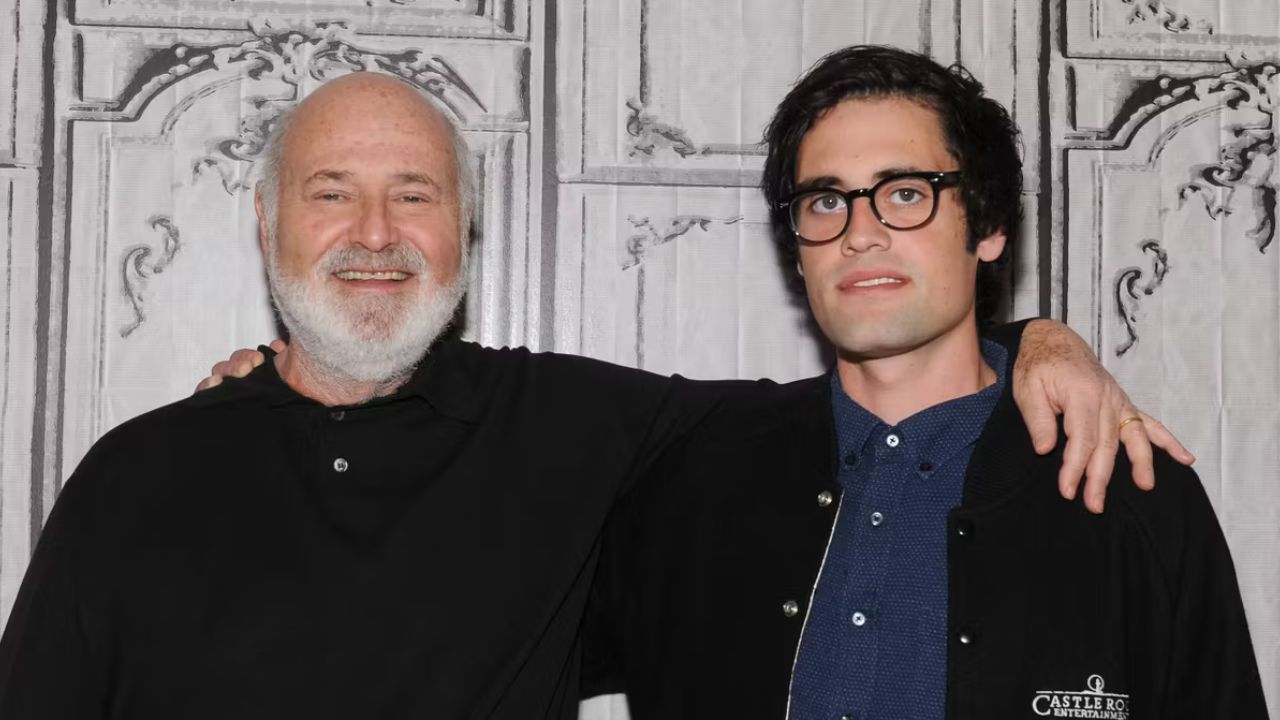
Filmmaker and actor Rob Reiner and his wife Michele Singer Reiner were found stabbed to death at their home in Brentwood, Los Angeles, on December 14, 2025. Their son, Nick Reiner (32), has been arrested on suspicion of killing both parents and is currently being held without bail as the investigation continues.
This is not a closed case, and it is critical to state clearly: Nick Reiner is a suspect, not someone proven guilty in court. What investigators and prosecutors ultimately present—and what a jury decides—will determine the final legal outcome.
Why Utah Is Part of This Story
The tragedy carries a distinct Utah connection because Rob Reiner’s only film shot in Utah is also the only movie he made in direct creative collaboration with his son.
That film, “Being Charlie,” was shot in and around Salt Lake City and Tooele, tying Utah to a deeply personal father–son chapter that now feels haunting in hindsight.
The Film at the Center: “Being Charlie”
What “Being Charlie” Is About
“Being Charlie” is a drama that centers on a young person battling substance addiction, navigating rehabilitation, family conflict, and the pressures of recovery.
The film stars Nick Robinson as the troubled teenager, while Cary Elwes plays the teen’s father, a public figure running for governor.
Why It Was So Personal to the Reiner Family
The film has long been viewed as unusually personal because it was loosely inspired by Nick Reiner’s real-life experiences, particularly his past struggles with addiction and time spent in rehabilitation.
The movie was not just entertainment—it reflected a family’s attempt to understand pain, responsibility, accountability, and recovery.
The Father–Son Collaboration: Their Only Shared Film
Who Did What
In this collaboration, Rob Reiner directed the film, while Nick Reiner is credited as a co-writer, alongside Matt Elifoson.
It remains Nick Reiner’s only known screenwriting credit, making the project uniquely meaningful within the family’s history.
Why It Matters Now
The reason this collaboration is being discussed worldwide today is painfully simple: it stands as a recorded moment of father and son working side by side, at a time when the public narrative focused on healing and recovery.
That history now exists alongside allegations of extreme violence within the same family, creating a stark and unsettling contrast.
Key Facts and Figures at a Glance
| Item | Verified Details |
|---|---|
| Victims | Rob Reiner and Michele Singer Reiner |
| Date found | December 14, 2025 |
| Location | Brentwood, Los Angeles |
| Cause reported | Stabbing / apparent homicide |
| Suspect | Nick Reiner (age 32) |
| Custody status | Held without bail |
| Utah connection | “Being Charlie” filmed around Salt Lake City and Tooele |
| Shared film | “Being Charlie” (Rob directed; Nick co-wrote) |
What We Know About Nick Reiner’s Background (Publicly Reported)
Public reporting describes Nick Reiner as someone who struggled with addiction earlier in life, and that “Being Charlie” drew directly from those experiences.
Available records at the time of reporting indicate no prior criminal record in Los Angeles County.
These details matter because they help explain why the film existed in the first place: it was created during a period when the family publicly framed their story as one of struggle and recovery—not violence.
How the Investigation Is Being Framed Publicly
Authorities have described the deaths as an apparent homicide, and Nick Reiner was arrested after the couple was found dead.
Specific investigative evidence has not yet been fully laid out in a single, complete public narrative, and early details may change as forensic analysis, warrants, and interviews continue.
Responsible coverage therefore focuses on what is confirmed: two deaths, one suspect in custody, and an active legal process underway.
Why This Story Is Spreading So Fast
Rob Reiner’s cultural legacy is immense, spanning decades of influential films and public life. When someone with that level of recognition dies violently, the story becomes global news immediately.
The added factor—his son being arrested—creates a narrative many people struggle to process, especially because father and son once publicly promoted a film rooted in recovery, reconciliation, and understanding.
Utah enters the picture not as a side note, but as the physical location where that collaboration was created—a real place connected to a real project, now viewed through the lens of an ongoing criminal investigation.