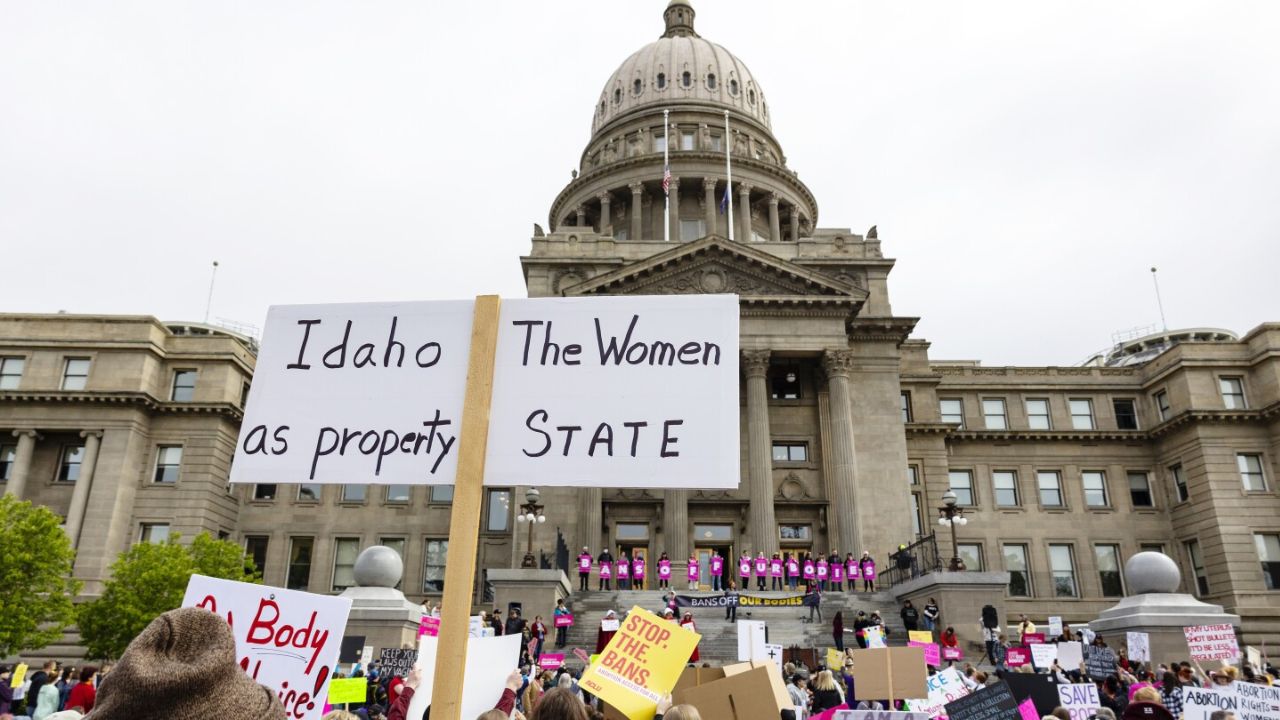
Idaho’s healthcare network is entering a pressure-heavy chapter as the number of practicing OB-GYNs continues to drop. Medical associations across the state warn that this mounting shortage is placing both financial strain and service instability on hospitals, clinics, and communities that rely on consistent reproductive care. Their message is clear: Idaho is already experiencing the fallout, and the long-term costs could climb even higher if solutions are not implemented soon.
The Growing Crisis in Women’s Healthcare
Sharp Decline in Available OB-GYN Specialists
Healthcare experts report that Idaho has been steadily losing OB-GYNs, leading to significant service gaps in reproductive health. Clinics in smaller towns are struggling the most, often being forced to reduce maternity services or refer patients out of state. This decline not only restricts access to essential care but also creates longer waiting times for the women who remain in Idaho seeking maternal and reproductive health support.
Why the Shortage Is Worsening
Medical groups attribute the exodus of OB-GYN specialists to several contributing factors, including increased burnout, rising malpractice fears, legislative pressure, and the lack of competitive compensation. These challenges are pushing many physicians to relocate or retire early, leaving Idaho with fewer professionals than ever before.
Financial Fallout: Idaho’s Multi-Million Dollar Burden
Healthcare Systems Absorb Increasing Costs
The shrinking OB-GYN workforce is already creating financial consequences for Idaho’s medical infrastructure. Hospitals are reporting millions in additional expenses linked to staffing shortages, emergency temporary hires, delayed patient care, and the need to outsource key maternal services. These financial burdens ripple outward, affecting budgets, patient outcomes, and operational planning for years to come.
Economic Impact on Communities
When OB-GYN departments reduce or suspend services, the effects extend beyond hospital walls. Local economies take a hit as families relocate for better medical access, rural towns lose prospective healthcare workers, and maternal health tourism shifts revenue to neighboring states. Medical leaders emphasize that this pattern is unsustainable and threatens Idaho’s long-term community stability.
Consequences for Maternal and Reproductive Health
Reduced Access to Essential Care
The OB-GYN shortage limits timely prenatal, childbirth, and postpartum services. Women are often required to travel long distances for appointments, increasing healthcare disparities in rural regions. Medical organizations warn that such barriers heighten risks for complications, delayed diagnoses, and preventable emergencies.
Strain on Remaining Healthcare Providers
With fewer OB-GYNs available, the physicians who remain shoulder heavier workloads. This intensifies burnout, increases turnover, and further accelerates the statewide decline in women’s health specialists. Idaho’s medical community is sounding the alarm, noting that the cycle will continue without strategic intervention.
Urgent Need for Solutions
Policy Changes and Workforce Incentives
Healthcare leaders are calling for targeted legislative action, improved workplace protections, and competitive incentives to attract and retain OB-GYNs. Suggested solutions include loan-repayment programs, expanded residency slots, improved support for rural providers, and reforms that address the financial and legal pressures driving specialists away.
Strengthening Idaho’s Healthcare Future
Experts argue that Idaho must prioritize maternal healthcare as a strategic investment. Without bold steps to reverse the shortage, the state will face growing economic losses, declining reproductive health access, and widening gaps in rural healthcare quality.