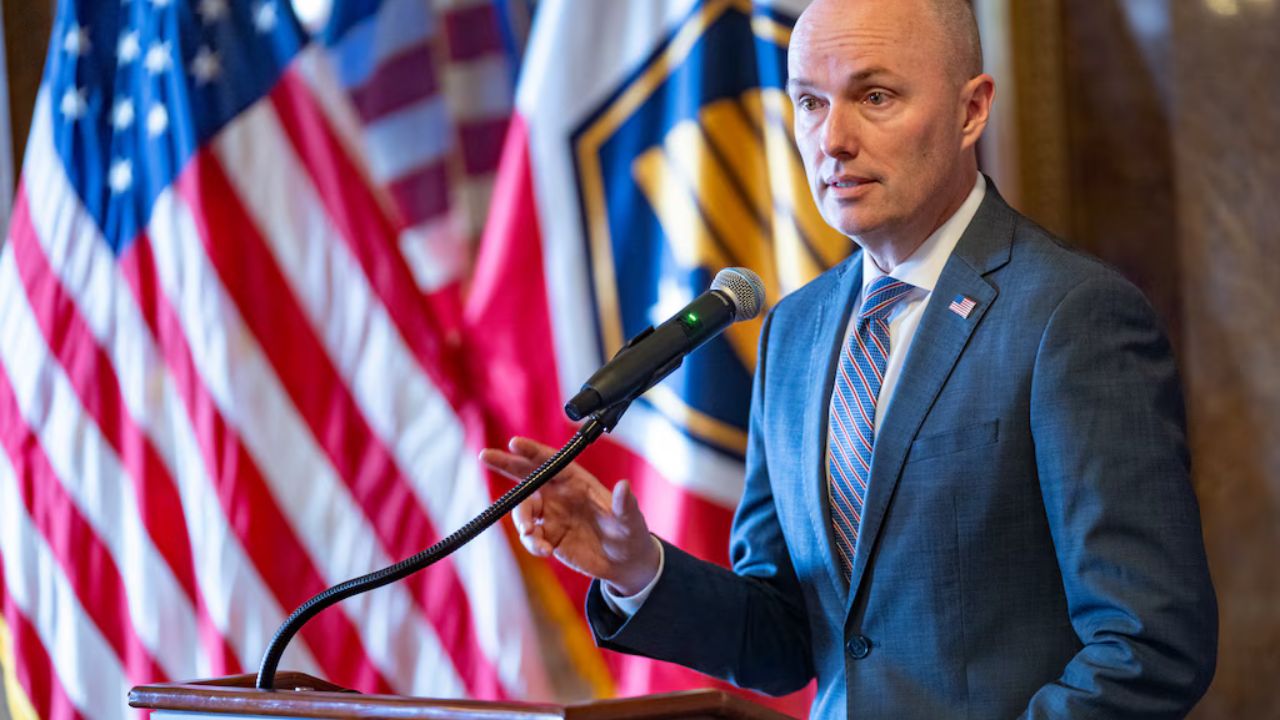
Utah Governor Spencer Cox, a Republican, publicly stated that former President Donald Trump is not attempting to unify the nation. His remarks add to ongoing debates within the GOP about leadership style, national tone, and the direction of the party.
Governor Cox’s Criticism
Comments on National Unity
In recent statements, Gov. Cox expressed concern that Trump’s rhetoric and political approach do little to encourage unity among Americans. He argued that the country needs leaders focused on reducing division rather than amplifying it.
Not a New Position
Cox has previously voiced worries about political polarization and has often encouraged more cooperation across ideological lines. His latest comments reinforce a pattern of calling for a more constructive and inclusive style of governance.
Broader Republican Reaction
GOP Split on Trump’s Approach
The governor’s comments reflect a broader divide within the Republican Party. Some leaders support Trump’s combative style, while others share Cox’s belief that the party must adopt a more unifying tone to move forward.
Different Visions for Party Leadership
As the 2024 and 2026 political cycles continue to unfold, Republicans are increasingly vocal about their preferred path for the party—either doubling down on Trump’s approach or pivoting toward a more moderate message.
What Cox Says the Country Needs
Calls for Civility and Collaboration
Cox emphasized that political leaders must prioritize healing national divides, arguing that effective governance depends on cooperation and respect between differing viewpoints.
Appeal for Constructive Dialogue
He urged elected officials and voters alike to engage in more thoughtful conversations that focus on solving problems rather than intensifying conflict.
Trump’s Influence Still Dominant
Strong Support Among Voters
Despite criticism from figures like Cox, Trump retains significant influence within the GOP. His supporters argue that his style reflects frustration with entrenched political systems.
Ongoing National Conversation
The tension between unity and division remains central to discussions about America’s political future and the leadership the public wants.