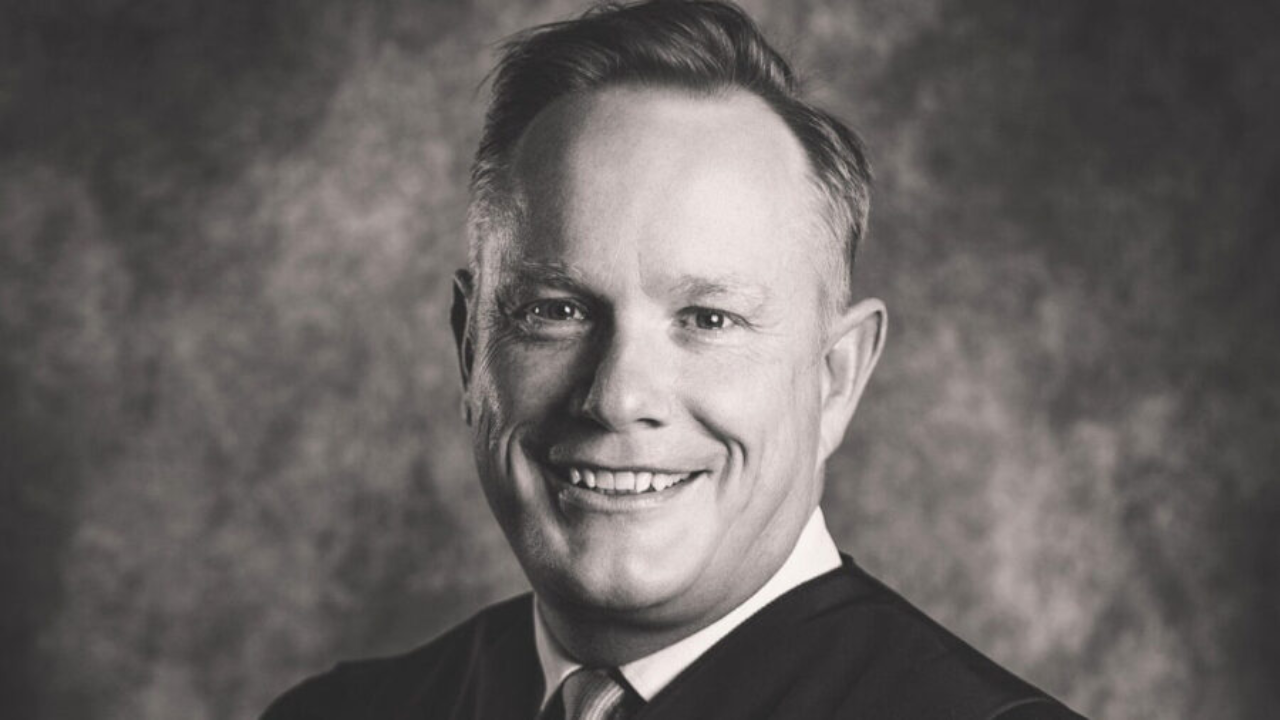

A Lehi man faces serious felony charges after a former student reported sexual abuse that allegedly occurred six years ago when she was in seventh grade. Bradley James Leavitt, 36, was charged Wednesday in 4th District Court with aggravated sexual abuse of a child.
Delayed Report Leads to Criminal Charges
The Utah County Sheriff’s Office received the report in July 2025 regarding an incident from 2019, when the victim was 13 years old and Leavitt served as her homeroom teacher.
According to charging documents filed in 4th District Court, the assault occurred when the teenage girl and a friend entered Leavitt’s classroom. When her friend briefly stepped out, Leavitt allegedly approached from behind and inappropriately touched the student’s chest before returning to his seat as others entered the room.
The victim, now an adult, came forward this summer to report the incident. Prosecutors did not disclose what prompted her to report the abuse after six years or provide details about the specific school where Leavitt taught.
Understanding First-Degree Felony Charges
Leavitt faces one count of aggravated sexual abuse of a child, classified as a first-degree felony under Utah law. This represents the most serious category of criminal offense below capital crimes.
If convicted, first-degree felonies in Utah carry potential sentences ranging from five years to life in prison. The Utah State Courts will oversee proceedings as the case moves through the criminal justice system.
Aggravated sexual abuse charges apply when offenders hold positions of authority over victims, when force or coercion is involved, or when victims are particularly vulnerable due to age. The student-teacher relationship creates an inherent power imbalance that elevates the severity of such offenses.
Why Victims Sometimes Delay Reporting
Sexual abuse victims, particularly minors, often wait years before reporting incidents. Research shows multiple factors contribute to delayed disclosure.
Fear of not being believed ranks among the most common barriers. Young victims especially worry adults will dismiss their accounts or blame them for the abuse. Shame and embarrassment also prevent many survivors from speaking about their experiences.
Power dynamics play a critical role when perpetrators hold authority positions. Students may fear academic retaliation, social consequences, or that speaking up could affect their education. The closer the relationship between victim and perpetrator, the more complicated disclosure becomes.
Trauma impacts memory and processing. Some survivors need time to fully understand what happened before they can articulate the experience. Others suppress traumatic memories as a coping mechanism, with details resurfacing years later.
Utah law recognizes these complexities. The state eliminated statutes of limitations for many sex crimes against children in 2010, allowing prosecutors to file charges regardless of how much time has passed since the alleged offense.
Schools and Student Safety Protocols
Utah schools implement various safety measures designed to protect students from potential abuse by staff members. The Utah State Board of Education establishes statewide policies that districts must follow.
All teachers and school employees undergo background checks before hiring. The licensing process requires fingerprinting and screening through state and federal databases to identify criminal history.
Training programs educate staff about appropriate boundaries with students. Professional standards prohibit being alone with individual students in classrooms with closed doors, physical contact beyond handshakes or high-fives, and any communication with students through personal phones or social media accounts.
Students receive age-appropriate education about body safety, consent, and how to report uncomfortable situations. Most schools designate trusted adults specifically trained to handle disclosures and connect students with resources.
Despite these safeguards, some individuals exploit positions of trust. When reports surface, schools must balance supporting alleged victims while respecting due process for accused employees.
Legal Process and What Comes Next
Leavitt’s case now enters the criminal court system. Initial appearances typically occur within days of charges being filed, where defendants learn of allegations and enter preliminary pleas.
Preliminary hearings allow judges to determine whether sufficient probable cause exists to proceed to trial. Prosecutors present evidence while defense attorneys can cross-examine witnesses and challenge the case foundation.
If bound over for trial, defendants may negotiate plea agreements with prosecutors or proceed to jury trials where twelve citizens determine guilt or innocence. Sexual abuse cases involving minors often involve victim testimony, though prosecutors can introduce other evidence including witness statements and expert testimony about delayed disclosure.
The 4th District Court in Provo handles cases from Utah County. Public records typically become accessible through court websites, though documents involving minors may have identifying information redacted to protect privacy.
Impact on Victims and Communities
Sexual abuse creates lasting trauma for survivors. Research documents higher rates of depression, anxiety, post-traumatic stress disorder, and relationship difficulties among abuse survivors compared to the general population.
Coming forward represents a courageous step toward healing for many survivors. The criminal justice process can be retraumatizing, requiring victims to recount painful experiences multiple times to investigators, prosecutors, and potentially juries.
Communities struggle when trusted authority figures face such allegations. Parents question whether their children experienced similar incidents. Schools examine policies and wonder whether warning signs were missed.
These cases highlight the importance of creating environments where children feel safe reporting concerns immediately. Every adult bears responsibility for listening to and believing children who disclose abuse.
Supporting Survivors of Abuse
Utah provides multiple resources for sexual abuse survivors seeking help and support. The Utah Coalition Against Sexual Assault connects victims with services including counseling, advocacy, and legal assistance.
The Children’s Justice Center operates facilities across Utah specifically designed to reduce trauma for child victims. These centers coordinate medical exams, forensic interviews, and therapeutic services in child-friendly environments.
Crisis hotlines offer 24-hour support for anyone dealing with sexual assault or abuse. The National Sexual Assault Hotline (1-800-656-4673) provides confidential assistance nationwide.
School counselors, therapists, and medical professionals all serve as mandatory reporters, meaning they must contact authorities when they suspect child abuse. This requirement helps ensure vulnerable children receive protection and intervention.
Survivors should know that reporting abuse is never wrong, regardless of how much time has passed. Law enforcement and victim advocates stand ready to investigate allegations and provide support through difficult processes.
Broader Context of Educator Misconduct
Cases involving teachers accused of inappropriate behavior with students periodically emerge across Utah and nationwide. The vast majority of educators maintain professional boundaries and serve students honorably.
However, isolated incidents damage trust between communities and schools. Districts face difficult decisions about personnel actions when allegations surface but before criminal proceedings conclude.
Professional licensing boards can take action independent of criminal cases. The Utah Professional Practices Advisory Commission investigates educator misconduct and can suspend or revoke teaching licenses based on findings.
National data suggests sexual misconduct by educators affects thousands of students annually. Advocacy groups push for stronger screening, clearer policies, and better training to prevent these devastating violations of trust.
Parents can help protect children by maintaining open communication about school experiences, teaching appropriate boundaries, and creating safe spaces for children to share concerns without fear of punishment or disbelief.
Moving Forward
As Leavitt’s case proceeds through the legal system, attention focuses on ensuring justice for the alleged victim while respecting the presumption of innocence that forms the foundation of criminal law.
The outcome will depend on evidence presented, witness credibility, and whether prosecutors can prove guilt beyond reasonable doubt. Defense attorneys will likely scrutinize the delayed report and examine all circumstances surrounding the allegations.
Regardless of the legal outcome, this case serves as a reminder of the importance of protecting vulnerable students and creating systems where abuse cannot flourish in silence.
Communities must balance supporting survivors, holding perpetrators accountable, and ensuring fairness throughout legal processes. Every child deserves to learn in environments free from abuse where trusted adults prioritize their safety and wellbeing above all else.