Social media platforms are flooded with claims about imminent $2,000 government payments, but a closer examination reveals a significant gap between political proposals and actual policy implementation.
The Origin of Recent Stimulus Speculation
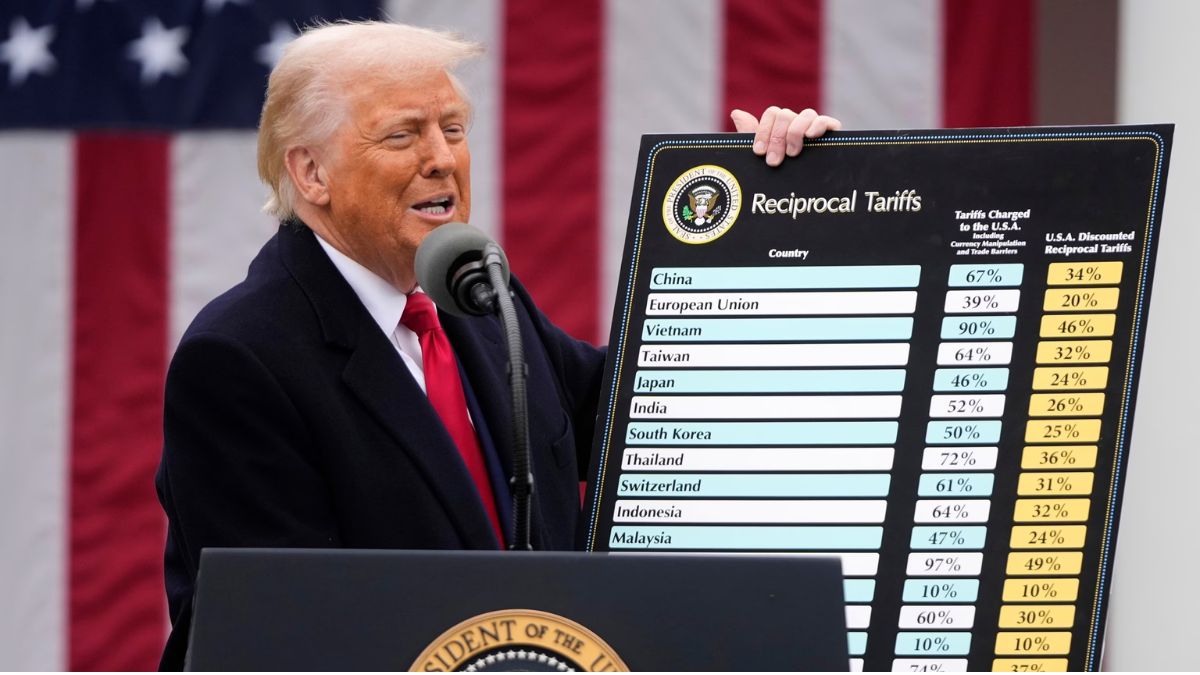
Widespread discussion about new stimulus payments traces back to a campaign proposal from President Donald Trump. During his bid to return to the White House, Trump promoted a concept he labeled the “tariff dividend.”
The proposed framework suggested using revenue generated from import tariffs to fund direct payments of at least $2,000. These checks would theoretically target low- and middle-income Americans, potentially those earning below $100,000 annually.
This idea resonated with many Americans who remember pandemic-era stimulus payments that helped cover essential expenses like rent, utilities, and groceries during economically challenging times. The memory of that direct government assistance creates receptiveness to similar proposals.
Current Status of the Proposal
Despite viral social media posts claiming imminent payment dates and urging people to register, no authorized government program currently exists to distribute these funds. This represents the crucial distinction between campaign rhetoric and enacted policy.
The Internal Revenue Service, which would administer such payments, has issued no communications regarding stimulus checks. The agency has established no eligibility criteria, announced no timeline, and created no application process for these purported payments.
Any claims suggesting otherwise constitute either premature speculation or deliberate misinformation designed to mislead the public. Social media posts featuring specific payment dates for December 2025 or instructions to “sign up now” lack factual foundation.
Economic Reality Behind the Numbers
Budget analysts have examined whether tariff revenue could realistically fund this proposal. Their findings reveal substantial mathematical challenges that make implementation highly unlikely without alternative funding sources.
Sending $2,000 to every taxpayer earning below $100,000 would cost approximately $300 billion. Broader distribution expanding eligibility criteria would easily surpass $600 billion in total expenditure.
Projected tariff revenue, even under optimistic scenarios, falls dramatically short of these figures. Some economists estimate annual tariff collections might represent only a fraction of the required funding, making the proposal financially unrealistic without significant budget reallocation.
The disparity between promised benefits and available funding resembles attempting to finance a major infrastructure project with revenue from a neighborhood bake sale. The scale mismatch undermines the proposal’s feasibility from a purely mathematical perspective.
Political Obstacles to Implementation
Even if funding challenges could be resolved, significant political hurdles stand between proposal and reality. Congress must draft, debate, amend, and ultimately pass specific legislation authorizing such payments.
The current political environment features deep partisan divisions and narrow congressional majorities. These conditions make advancing any major spending bill challenging, particularly one carrying a price tag exceeding $300 billion.
Some economists, including former Trump administration advisors, have publicly expressed skepticism about injecting substantial stimulus funds into the current economy. Their concerns center on potential inflationary consequences that could worsen the price increases already affecting consumers.
This economic criticism from within conservative policy circles suggests the proposal might struggle to gain support even among Republicans who generally align with Trump’s policy agenda. Without bipartisan cooperation, passage becomes exponentially more difficult.
Legal Challenges Threatening the Foundation
Perhaps the most critical obstacle involves ongoing legal challenges to the tariff structure supposedly funding these payments. The Supreme Court has heard arguments questioning the executive branch’s authority to impose certain tariffs.
If the Court rules against the administration’s tariff authority, the entire funding mechanism for the “tariff dividend” collapses. Without tariff revenue, the proposal loses its primary financing source, rendering implementation impossible regardless of political will.
This legal uncertainty makes any timeline predictions meaningless. Until the Supreme Court issues its ruling and any subsequent appeals conclude, the foundational premise of the proposal remains uncertain.
The interdependence between tariff authority and stimulus funding creates a sequential dependency where legal resolution must precede any serious legislative consideration of payment authorization.
The Scam Ecosystem Exploiting Hope
The gap between viral claims and government reality has created fertile ground for fraud. Scammers exploit public interest in stimulus payments to deploy various schemes targeting vulnerable individuals.
Sensationalist websites publish “definitive guides” featuring fabricated payment dates and non-existent application processes. These sites often include official-looking forms requesting sensitive personal information under the guise of “registration.”
Text messages, emails, and phone calls claiming to represent the IRS contact unsuspecting Americans about supposed stimulus eligibility. These communications pressure recipients to “verify” information immediately or risk losing payments.
The IRS never initiates contact through unsolicited electronic communications about payments. Legitimate correspondence regarding tax matters or government payments always begins with formal letters delivered through postal mail.
Identifying Fraudulent Claims
Several red flags can help identify scam attempts versus legitimate government communications. Any message requiring immediate action through clicking links should trigger suspicion.
Requests to verify Social Security numbers, bank account information, or other sensitive data through email, text, or phone represent fraud attempts. The government already possesses this information for eligible individuals and would never request it through these channels.
Pressure tactics creating artificial urgency, such as “register by midnight tonight or lose your payment,” indicate scams. Legitimate government programs establish clear, well-publicized deadlines and provide ample time for eligible individuals to respond.
Websites claiming to offer stimulus check “applications” or “registrations” are fraudulent. No application process exists because no authorized program exists. These sites aim to harvest personal information for identity theft or financial fraud.
Why Misinformation Persists
Despite the absence of any actual program, stimulus check rumors continue circulating widely. This persistence stems from the convergence of several powerful factors that keep the narrative alive.
Real economic hardship affects millions of Americans struggling with inflation, housing costs, and stagnant wages. The prospect of direct financial assistance appeals to those experiencing genuine financial stress.
Political narratives promoting the idea benefit from its simplicity and emotional resonance. The concept of making foreign nations “pay” American families through tariff-funded checks combines economic nationalism with direct voter benefits.
Social media algorithms amplify engagement-driving content, regardless of accuracy. Posts promising free money naturally generate shares, comments, and clicks, pushing misinformation to wider audiences even as fact-checkers debunk claims.
Previous stimulus payments during the pandemic established precedent and familiarity. Many Americans received multiple rounds of checks and naturally wonder whether similar assistance might arrive again during continued economic uncertainty.
Protecting Yourself From Scams
Individuals can take specific steps to protect themselves from stimulus check fraud. Start by recognizing that no legitimate stimulus program currently exists, making any current claims false by definition.
Verify information through official government sources before acting on claims. The IRS website provides accurate information about tax matters and government payments without requesting personal information.
Never provide sensitive personal information in response to unsolicited contacts. Social Security numbers, bank account details, and passwords should never be shared via email, text, or phone calls.
Report suspected scams to appropriate authorities. The Federal Trade Commission, IRS, and state attorneys general maintain reporting mechanisms for fraud attempts. These reports help law enforcement track and prosecute scammers.
Discuss suspicious communications with trusted family members or financial advisors before responding. Taking time to verify claims prevents hasty decisions that compromise personal security.
The Path From Proposal to Reality
Understanding how government programs actually become reality provides context for evaluating stimulus check claims. Campaign proposals represent only the first step in a lengthy process.
Proposed legislation must be drafted with specific language defining eligibility, payment amounts, funding mechanisms, and administrative procedures. This drafting process alone can take months as legislators negotiate details.
Congressional committees must review and potentially amend proposed legislation through hearings and markup sessions. Both chambers of Congress must pass identical versions of any bill before it reaches the president for signature.
Even after presidential approval, administrative agencies need time to establish payment infrastructure, verify eligibility, and process millions of individual payments. Previous stimulus rounds required months from authorization to delivery despite emergency circumstances.
This extended timeline means that even if Congress authorized similar payments tomorrow, actual checks would likely arrive many months later. Claims of imminent December 2025 payments therefore lack plausibility even if legislation were pending.
What Actually Comes Next
No congressional bills currently propose anything resembling the discussed stimulus payments. Until such legislation is introduced, debated, and passed, no payments will occur regardless of campaign promises or social media claims.
Americans seeking financial assistance should explore existing programs rather than waiting for speculative future payments. Programs like the Earned Income Tax Credit, Child Tax Credit, SNAP benefits, and state assistance programs provide support to eligible individuals now.
Staying informed through reliable sources helps distinguish between legitimate policy developments and misinformation. Official government websites, established news organizations, and verified social media accounts provide accurate information without sensationalism.
The allure of a $2,000 check remains powerful, especially for families facing economic challenges. However, hope should not override critical thinking when evaluating claims lacking official confirmation or logical plausibility.
Until Congress passes and the president signs legislation specifically authorizing such payments, all claims about imminent stimulus checks remain speculation at best and fraud at worst.