A federal civil rights lawsuit has been filed against Immigration and Customs Enforcement ICE following an incident that left a deaf Utah resident injured and traumatized. The case raises critical questions about law enforcement protocols when interacting with individuals who have disabilities.
Incident Details at Salt Lake Community College
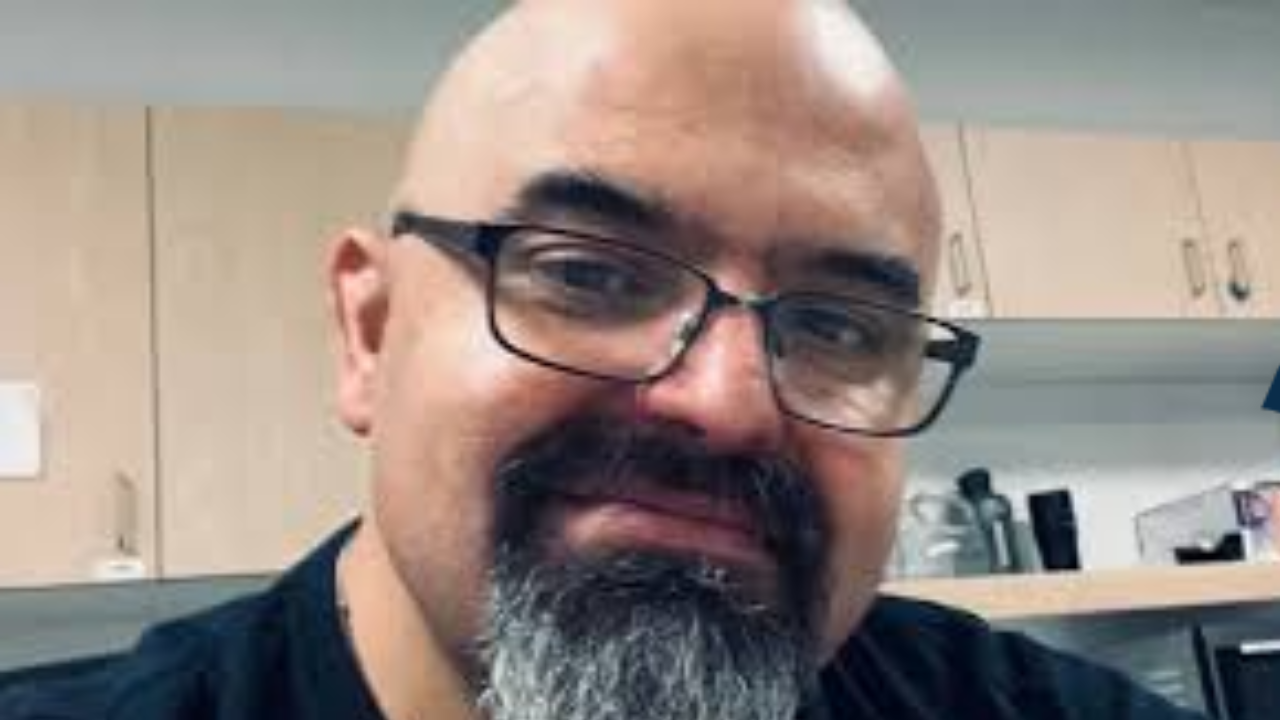
Arturo Ruvalcaba, a 38-year-old deaf man, was waiting at a bus stop outside Salt Lake Community College’s Taylorsville campus on September 29 when his life took an unexpected turn. According to court filings submitted Friday, what should have been an ordinary commute home from work became a frightening ordeal.
Multiple white SUVs pulled up to the bus stop where Ruvalcaba stood. Several individuals emerged wearing green military-style uniforms with partially concealed faces. These individuals were later identified as ICE agents conducting an enforcement operation.
Communication Breakdown Leads to Physical Injury
Ruvalcaba, who relies exclusively on sign language and visual communication, found himself unable to comprehend the verbal commands being directed at him. The lawsuit describes a chaotic scene where agents shouted instructions that Ruvalcaba physically could not hear or process.
When Ruvalcaba reached for his wallet to present identification, the situation escalated rapidly. According to the legal complaint, one agent forcefully pressed down on his shoulders while another yanked his arm with significant force. This action resulted in an elbow injury that would later require medical intervention.
The confrontation only ceased after agents conducted a thorough search and discovered Ruvalcaba’s green card, which confirmed his lawful permanent resident status in the United States.
Medical and Emotional Aftermath
Natalie Ruvalcaba, Arturo’s wife, described finding her husband in visible distress when he arrived home that evening. His arm displayed severe swelling extending from his elbow to his wrist. Medical examination revealed a sprain requiring ongoing physical therapy and temporary work limitations.
Beyond the physical trauma, the incident has created ripples of fear throughout the Ruvalcaba household. The couple has three adopted sons, each with their own histories of trauma. Natalie expressed deep concern about the lasting psychological impact.
The family had worked diligently to help their children build trust in authority figures and law enforcement. This incident has undermined years of careful reassurance, leaving the entire family questioning their safety and the reliability of those meant to protect them.
Legal Claims and Disability Rights Violations
The federal lawsuit alleges multiple serious violations on the part of the ICE agents. Ruvalcaba’s legal team argues that agents failed to provide legally mandated accommodations for his deafness, violating the Americans with Disabilities Act and related federal protections.
The complaint outlines violations of constitutional rights, disability rights legislation, and federal tort law. Attorneys maintain that agents escalated the situation unnecessarily despite obvious indicators that Ruvalcaba could not hear their verbal commands.
Court documents reveal that Ruvalcaba witnessed other individuals being detained at the same location during the operation, suggesting a broader enforcement action was underway at the campus bus stop.
Broader Implications for Disability Accommodations
This case highlights critical gaps in law enforcement training regarding disability awareness and accommodation requirements. When agents encounter individuals with hearing impairments, visual communication methods and specialized protocols should be employed immediately.
The lawsuit raises important questions about how federal agencies train personnel to recognize and respond appropriately when interacting with deaf or hard-of-hearing individuals. Standard enforcement procedures designed for hearing individuals can quickly become dangerous when applied to those who cannot process auditory information.
Disability rights advocates have long emphasized the need for law enforcement to implement clear protocols for identifying and accommodating individuals with various disabilities during field operations.
Agency Response and Legal Proceedings
As of the lawsuit’s filing, the Ruvalcaba family reports receiving no communication from ICE regarding their formal complaint about the September incident. Multiple attempts to reach ICE’s Salt Lake field office and the agency’s national media representatives have not yielded responses.
The legal team representing Ruvalcaba has formally requested a jury trial. They are seeking compensatory damages for physical injuries, emotional distress, and financial losses resulting from medical treatment and missed work.
The family has established a fundraising campaign to help cover expenses during Ruvalcaba’s recovery period and ongoing legal battle.
Community Impact and Public Safety Concerns
This incident has resonated deeply within Utah’s disability community and immigrant populations. Many community members have expressed concerns about their own safety during potential law enforcement encounters, particularly those who rely on non-verbal communication methods.
Local advocacy organizations have called for increased transparency regarding ICE operations near educational institutions and public transportation hubs. The incident occurred at a location frequented by students, workers, and community members relying on public transit.
The case serves as a stark reminder of the vulnerabilities faced by individuals with disabilities during law enforcement encounters and the critical importance of proper training, awareness, and accommodation protocols.
Looking Forward
As this case proceeds through federal court, it may establish important precedents regarding disability accommodations during immigration enforcement operations. The outcome could influence how federal agencies train agents and develop protocols for interacting with individuals who have hearing impairments or other disabilities.
The Ruvalcaba family continues to navigate the physical, emotional, and financial challenges resulting from the September encounter while pursuing justice through the legal system.