Bipartisan legislation aims to provide dedicated transportation support for American cities preparing to host major international sporting events, including Utah’s upcoming 2034 Winter Olympics.
New Federal Transportation Initiative
Utah Representative Burgess Owens has introduced legislation creating a dedicated funding mechanism for cities hosting the Olympics and FIFA World Cup. The Transportation Assistance for Olympic and World Cup Cities Act would allocate $50 million annually to support infrastructure improvements in host locations.
Rep. Burgess Owens partnered with Washington Representative Rick Larsen, the ranking member of the House Transportation and Infrastructure Committee, to sponsor the bipartisan measure. The legislation includes companion bills in the Senate, indicating broad congressional interest in supporting major sporting events.
Utah’s Olympic Preparations
Utah successfully hosted the 2002 Winter Olympics and will welcome the world again for the 2034 Winter Games. State officials are already planning substantial infrastructure enhancements to accommodate the international event.
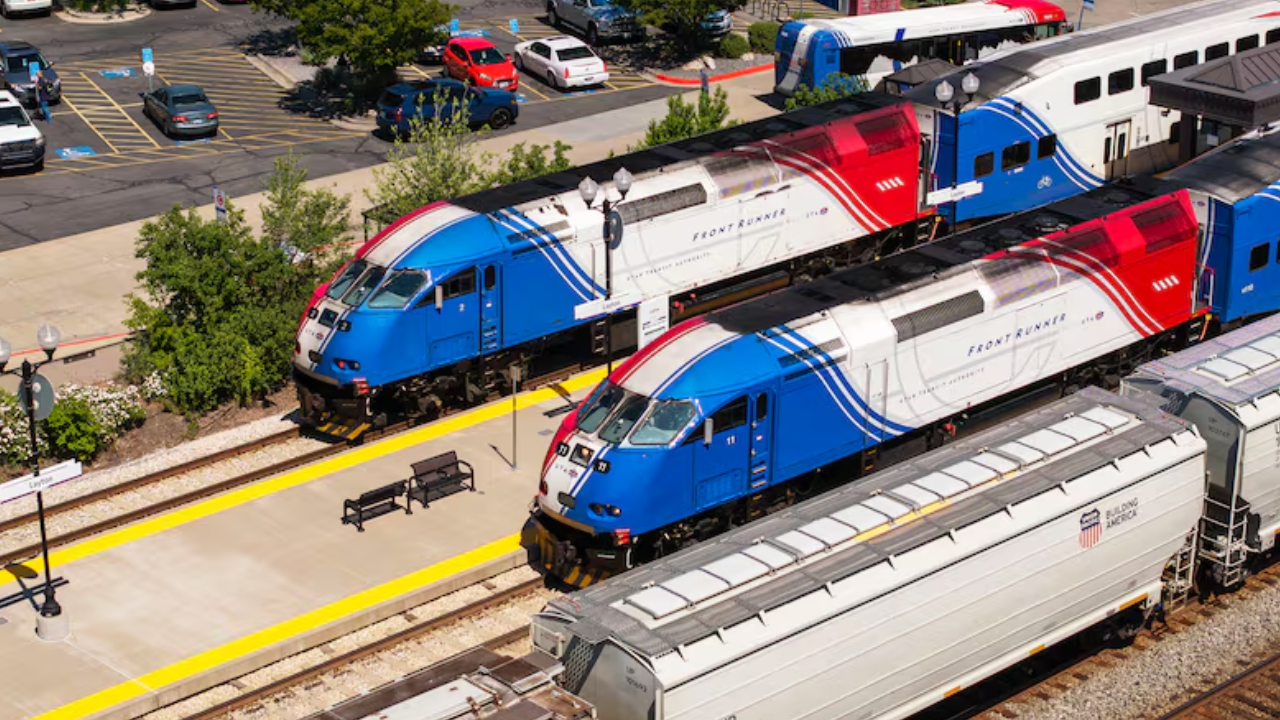
Current proposals include double-tracking the FrontRunner commuter rail system to increase capacity and establishing vertiports for air taxi operations. These ambitious projects reflect lessons learned from the 2002 Games, when federal support accelerated Interstate 15 expansion and TRAX light rail development.
Governor Spencer Cox has framed the Olympics as an opportunity to pursue transformative projects during what he terms “Utah’s decade.” The Games provide justification for infrastructure investments that will serve residents long after athletes and spectators depart.
Funding Structure and Limitations
The proposed legislation caps individual allocations at $10 million per host metropolitan planning organization. This structure ensures funding distribution across multiple cities rather than concentrating resources in a single location.
Metropolitan planning organizations coordinate transportation planning for urban areas, making them logical recipients for Olympic-related infrastructure grants. The cap encourages efficient project selection while preventing any single region from monopolizing available resources.
Annual appropriations of $50 million would create a predictable funding stream for host cities to plan multi-year infrastructure improvements. This consistency allows communities to develop comprehensive transportation strategies rather than pursuing piecemeal projects.
2026 World Cup Preparations
The legislation addresses immediate needs for the 2026 FIFA World Cup, scheduled across 11 American cities. Matches will occur in Atlanta, Boston, Dallas, Houston, Kansas City, Los Angeles, Miami, Philadelphia, Seattle, and the metropolitan areas surrounding New York City and San Francisco.
Representative Larsen emphasized the importance of world-class infrastructure for international events. Teams, officials, and fans require safe, efficient transportation between venues, hotels, and airports throughout tournament duration.
Seattle, located in Larsen’s congressional district, represents one beneficiary of the proposed funding. The Pacific Northwest city will use resources to enhance existing transportation networks before hosting World Cup matches.
Political Context and Concerns
The bill emerges amid uncertainty about federal support for major sporting events under the current administration. President Donald Trump suggested in October that he might relocate World Cup matches or the 2028 Los Angeles Summer Olympics due to safety concerns.
Trump’s comments followed tensions with Democratic mayors in Boston and Los Angeles. The president indicated willingness to move events if host cities failed to meet his administration’s standards for preparation and security.
Transportation Secretary Sean Duffy’s office has criticized California Democratic leadership over protest responses related to National Guard deployments during federal immigration enforcement operations. These political disputes have complicated infrastructure funding discussions for the Los Angeles Olympics.
A request exceeding $3 billion for Los Angeles transportation improvements ahead of the 2028 Games has reportedly stalled in the appropriations process. This delay raises questions about whether political disagreements might affect Olympic preparation funding.
Congressional Response to Uncertainty
Representative Larsen downplayed relocation threats in comments to The Athletic, a sports news publication. He defended Seattle’s capability to host major events and characterized presidential statements as empty threats.
The Washington congressman noted his state’s extensive experience successfully managing large-scale sporting events, concerts, and conventions. Seattle’s infrastructure already accommodates significant visitor influxes without major disruptions.
Larsen bristled at suggestions that safety concerns might justify relocating World Cup matches from well-prepared cities. His response indicates Democratic lawmakers view relocation threats as political posturing rather than serious policy considerations.
Executive Actions on Olympic Planning
Earlier in 2025, Trump signed an executive order establishing a White House task force for the 2028 Olympics. The president designated himself as task force leader, signaling direct involvement in Games preparation.
His comprehensive tax and spending legislation included $1 billion for security, planning, and other Olympic-related costs. This allocation demonstrates federal commitment to Los Angeles despite ongoing political tensions.
A separate task force addresses World Cup preparations, receiving $625 million in security funding through the same legislative package. These substantial appropriations suggest the administration recognizes the importance of successful international event hosting.
Benefits for Host Communities
Federal transportation assistance extends benefits beyond immediate event needs. Infrastructure improvements serve local populations for decades after international visitors leave.
Utah’s experience following 2002 demonstrates lasting impacts from Olympic preparation. Enhanced highways and expanded public transit continue serving growing populations throughout the Wasatch Front region.
The FrontRunner double-tracking proposal exemplifies infrastructure that serves both Olympic needs and long-term regional transportation goals. Increased commuter rail capacity addresses current congestion while preparing for future population growth.
Strengthening Federal-Local Partnerships
Representative Owens emphasized the legislation creates dependable federal partnerships for host cities. Planning major international events requires coordination across government levels, with federal support proving essential for infrastructure projects exceeding local budgets.
The Utah congressman highlighted how federal assistance strengthens transportation planning and boosts collaboration between agencies. Successful Olympic hosting showcases American capabilities on the global stage while delivering tangible benefits to host communities.
This approach aligns with historical patterns where Olympic preparation catalyzed infrastructure improvements that might otherwise face delays or funding challenges. Federal support enables projects advancing regional transportation goals while meeting international event requirements.
Looking Toward 2034
Utah’s selection as the 2034 Winter Olympics host provides nearly a decade for infrastructure development. This extended timeline allows comprehensive planning rather than rushed construction typical of shorter preparation periods.
State officials can leverage federal funding from the proposed legislation to advance priority projects systematically. The FrontRunner expansion and vertiport establishment represent forward-thinking investments in emerging transportation technologies.
As Owens stated, Utah knows how to welcome the world based on 2002 experience. The new legislation would provide tools ensuring Utah and future host cities can deliver world-class events while building infrastructure serving residents for generations.
The bipartisan support for this measure suggests Congress recognizes the value of supporting American cities hosting prestigious international competitions. Whether the bill advances through the legislative process remains to be seen, but it represents an important step toward ensuring adequate preparation for upcoming Olympic and World Cup events.