As Christmas 2025 draws near, the United States is facing an unusually extreme and divided weather pattern. While massive snowstorms are set to bury major western mountain ranges under 2 to 4 feet of snow, a widespread winter heatwave is pushing temperatures in much of the central and eastern country well above normal—some areas even nearing 70°F to 80°F. This sharp contrast is expected to cause major holiday travel disruptions for millions of Americans.
A Nation Split by Weather Extremes
By December 22, 2025, meteorologists identified a powerful split-flow weather pattern across the country. This setup is funneling intense Pacific storms into the western mountains while allowing warm subtropical air to surge northward across the Plains, Midwest, and South.
The result is a dangerous mix of blizzard-like conditions in the West and record-breaking warmth elsewhere—an unusual combination for late December.
Who Is Most Affected?
Western United States: High-Risk Travel Zones
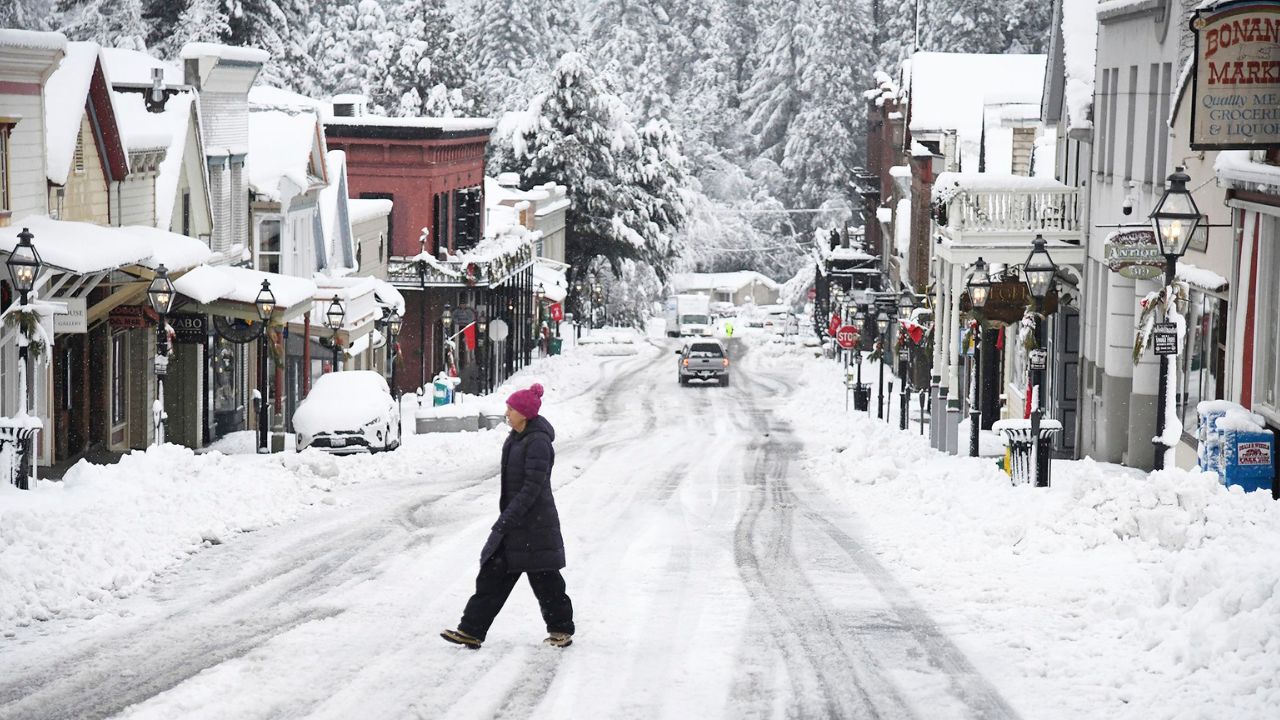
Travelers across the Cascades, Sierra Nevada, and Northern Rockies face the most severe conditions. States under heavy snowfall alerts include:
- Washington
- Oregon
- California
- Montana
- Wyoming
- Idaho
Central and Eastern United States: Heatwave Regions
Meanwhile, much of the Plains, Midwest, and South is experiencing temperatures 20–30°F above average. Cities such as St. Louis, Kansas City, and Chicago are seeing spring-like warmth, while parts of Texas and Florida may reach the low 80s.
What Is Driving This Unusual Weather?
Atmospheric Rivers in the West
A series of atmospheric rivers—long corridors of moisture from the Pacific Ocean—are slamming into western mountain ranges. These moisture-heavy systems are producing intense snowfall, especially at higher elevations.
High-Pressure Ridge Fuels Heatwave
At the same time, a strong high-pressure ridge over the central and eastern U.S. is pulling in warm air from the south. This is creating a widespread winter heatwave, suppressing snow and rapidly melting any existing snow cover.
Where Travel Is Being Impacted Most
Cascades & Sierra Nevada
The Sierra Nevada could receive up to 4 feet of snow by Christmas. Critical routes like Donner Pass (I-80) may experience whiteout conditions, making travel extremely hazardous or impossible. The North Cascades will also see heavy, wet snow and strong winds affecting I-90 and US-2.
Montana, Wyoming & Idaho
In the Northern Rockies, steady snowfall combined with cold air is creating dangerous conditions. Areas such as the Tetons and Bitterroot Range may accumulate up to 20 inches of snow. Interstates like I-15 and I-90 face icy roads, blowing snow, and wind gusts reaching 40 mph.
Utah & Colorado
A classic White Christmas is expected across the Wasatch Range and Colorado Rockies. Popular ski destinations like Park City and Alta could see up to 15 inches of snow. Denver and Cheyenne will see lighter totals, generally 3–6 inches.
Far Northern Northeast (Maine)
Northern Maine and the Great North Woods may receive 2–5 inches of snow, while coastal cities such as Portland and Bangor could see a rain-snow mix due to slightly warmer temperatures.
The Heatwave Zone: Central & Eastern U.S.
Roughly 80% of the country is likely to experience a snow-free Christmas. The ongoing heatwave is melting leftover snow from earlier in December and delivering mild, dry conditions across much of the region.
Timing: When Will the Worst Weather Hit?
- Western snowstorms: Ongoing through Christmas Day
- Central & Eastern heatwave: Persisting throughout the holiday weekend
- Peak travel disruptions: Now through the weekend, especially in mountain regions
How Holiday Travel Will Be Affected
Travelers heading through mountain passes should expect delays, closures, and dangerous driving conditions due to heavy snow, low visibility, and strong winds. Authorities may temporarily shut down highways during whiteout conditions.
In contrast, travelers in the Plains, Midwest, and South will benefit from dry, warm weather. While easier driving conditions are expected, sudden weather shifts are still possible, so staying informed remains essential.