
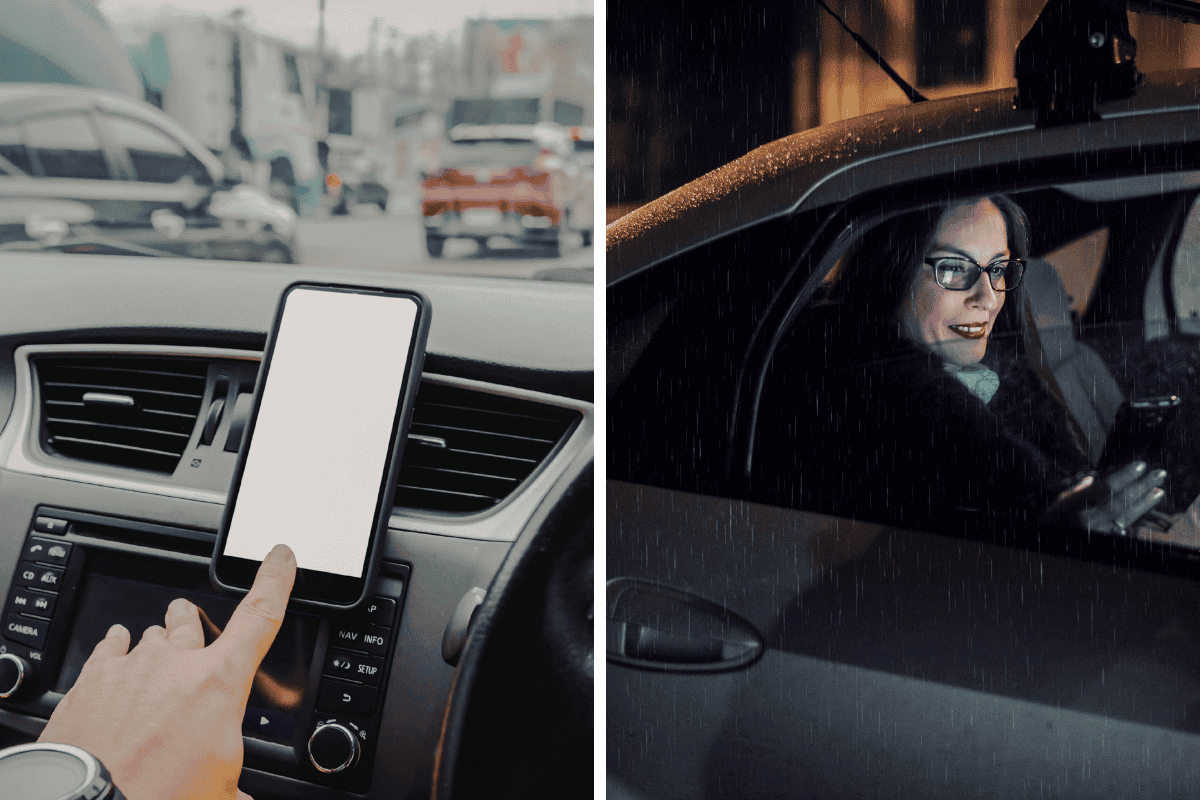
Mississippi police generally cannot search your phone during a routine traffic stop without a warrant, consent, or specific exigent circumstances, thanks to strong Fourth Amendment protections upheld by U.S. Supreme Court rulings.
The landmark Riley v. California (2014) decision mandates warrants for cell phone searches incident to arrest, extending to traffic stops where no arrest occurs. State laws align with this, emphasizing probable cause and judicial oversight amid 2026 legislative focus on device tracking tools.
Fourth Amendment Basics
The U.S. Constitution’s Fourth Amendment guards against unreasonable searches, requiring warrants based on probable cause for most intrusions, including digital devices packed with personal data.
Traffic stops allow limited checks like license, registration, and open containers, but phones remain private absent articulable suspicion of crime-related content. Mississippi courts follow federal precedent, rejecting warrantless digs into apps, texts, or photos during minor violations like speeding.
Riley v. California Impact
In Riley, the Supreme Court unanimously ruled that police need warrants to search arrestee cell phones, citing their immense storage compared to physical wallets—photos, emails, locations dwarf traditional searches.
This applies to Mississippi traffic stops: even post-arrest for DUI or reckless driving, officers must secure the device and seek judicial approval before extraction. Exceptions like preventing remote wipes or imminent harm are narrow, demand case-specific justification, and rarely justify full searches.
Mississippi-Specific Statutes
No Mississippi statute explicitly authorizes routine phone searches during traffic stops; proposed 2026 bills like SB2331 tighten rules on cell site simulators, requiring warrants for location data from devices. HB745 eyes wireless provider disclosures but reinforces probable cause thresholds.
State code under Title 41 prioritizes wiretap and interception warrants, mirroring federal limits on electronic evidence. Local departments train per ACLU guidelines: politely decline consent, as “voluntary” searches often lead to suppressed evidence in court.
Traffic Stop Scenarios
For routine stops (taillight out, speeding), police lack automatic access; asking for your unlocked phone constitutes coercion if pressured. If probable cause arises—like texts visible on screen tying to drugs—they can seize but not search without a warrant.
DUI field tests or odors justify vehicle pat-downs, but phones demand higher bars; passengers enjoy parallel rights. Body cams document refusals, protecting against fabricated consent claims.
Exceptions and Exigencies
Warrantless searches occur in true emergencies: fleeing suspects, child abductions, or bomb threats where phone data saves lives. Consent overrides all—say “I do not consent to any searches” clearly.
Inventory searches post-impound exclude data mining; border stops invoke separate rules, irrelevant inland. Mississippi aligns with federal nexus requirements: mere proximity to contraband doesn’t justify phone raids.
Practical Steps for Drivers
Lock your phone with biometrics or strong PINs; use “data wipe” protections sparingly to avoid exigency arguments. Remain calm, provide basics, then invoke rights: “Officer, am I free to go?” Filming encounters is legal if not interfering.
Post-stop, note badge numbers for complaints; suppressed evidence dismisses cases under fruit-of-poisonous-tree doctrine. Apps like ACLU Mobile Justice auto-upload videos; consult Mississippi attorneys via Bar Association for violations.
Consequences of Illegal Searches
Unlawful phone accesses yield inadmissible evidence, potential civil rights lawsuits under §1983 for damages, qualified immunity hurdles notwithstanding. 2026 trends show rising suppression motions, with departments facing audits for overreach. Informed drivers deter fishing expeditions, upholding privacy in an era of ubiquitous smartphones.
SOURCES:
- https://billstatus.ls.state.ms.us/documents/2026/html/SB/2300-2399/SB2331IN.htm
- https://www.search.org/limits-of-warrantless-cell-phone-searches-what-law-enforcement-needs-to-know/