Alabama police generally cannot search your phone’s contents during a routine traffic stop without a warrant, consent, or probable cause, thanks to Fourth Amendment protections. The U.S. Supreme Court’s Riley v. California (2014) ruling mandates warrants for cell data, even incident to arrest. Drivers retain rights to refuse, but knowing exceptions prevents violations.
Fourth Amendment Basics in Alabama
The Fourth Amendment bars unreasonable searches, requiring warrants based on probable cause. Traffic stops limit officers to investigating the violation (e.g., speeding), per Alabama v. Terry standards. Phones, holding vast personal data, demand higher scrutiny—Riley equated them to home contents.
Alabama follows federal precedent; no state law permits routine phone dives. Officers may seize phones if evidence of crime (e.g., visible child images), but unlocking/search needs judicial approval.
During Routine Traffic Stops
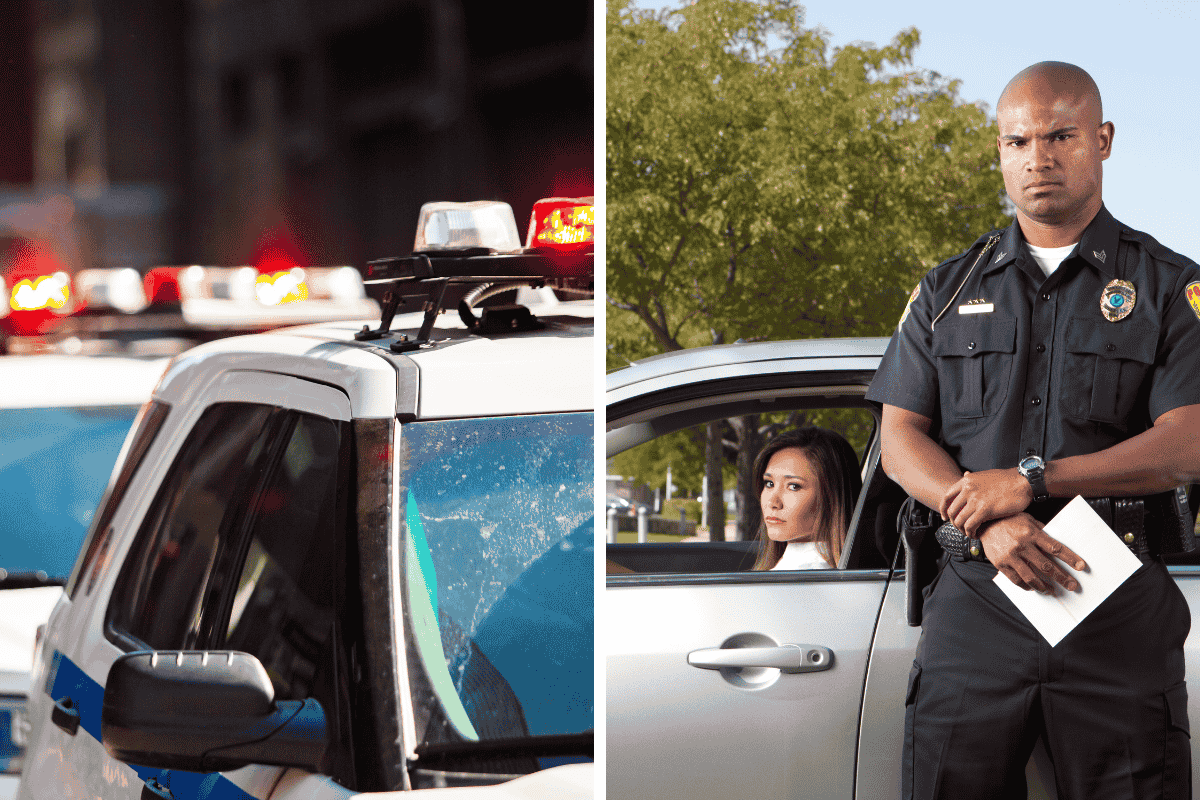
For minor infractions, no phone access absent suspicion. Alabama’s hands-free law (effective 2023) bans holding phones while driving—a secondary offense needing another violation first—but doesn’t authorize content searches. Officers cannot rifle for texts proving use without probable cause.
Digital licenses/insurance apps (legal since 2017) allow viewing without full searches. Politely decline: “I do not consent to searches.” Stops end post-ticket; prolonging for K9/drug dog requires cause, not refusal.
Exceptions Allowing Searches
Consent waives warrants if voluntary—no coercion. Say nothing ambiguous; silence isn’t consent. Probable cause (e.g., drug odor, visible contraband) justifies vehicle searches, potentially extending to phones if linked.
Arrest changes dynamics: post-arrest, phones seizeable, but Riley bars warrantless digital searches. Exigent circumstances (destroying evidence risk) rarely apply to locked phones.
Consequences of Illegal Searches
Evidence from unlawful searches becomes “fruit of the poisonous tree,” suppressed in court. DUI/drug cases often hinge here—challenge via motions to suppress. Violations lead to case dismissals, civil suits possible under §1983.
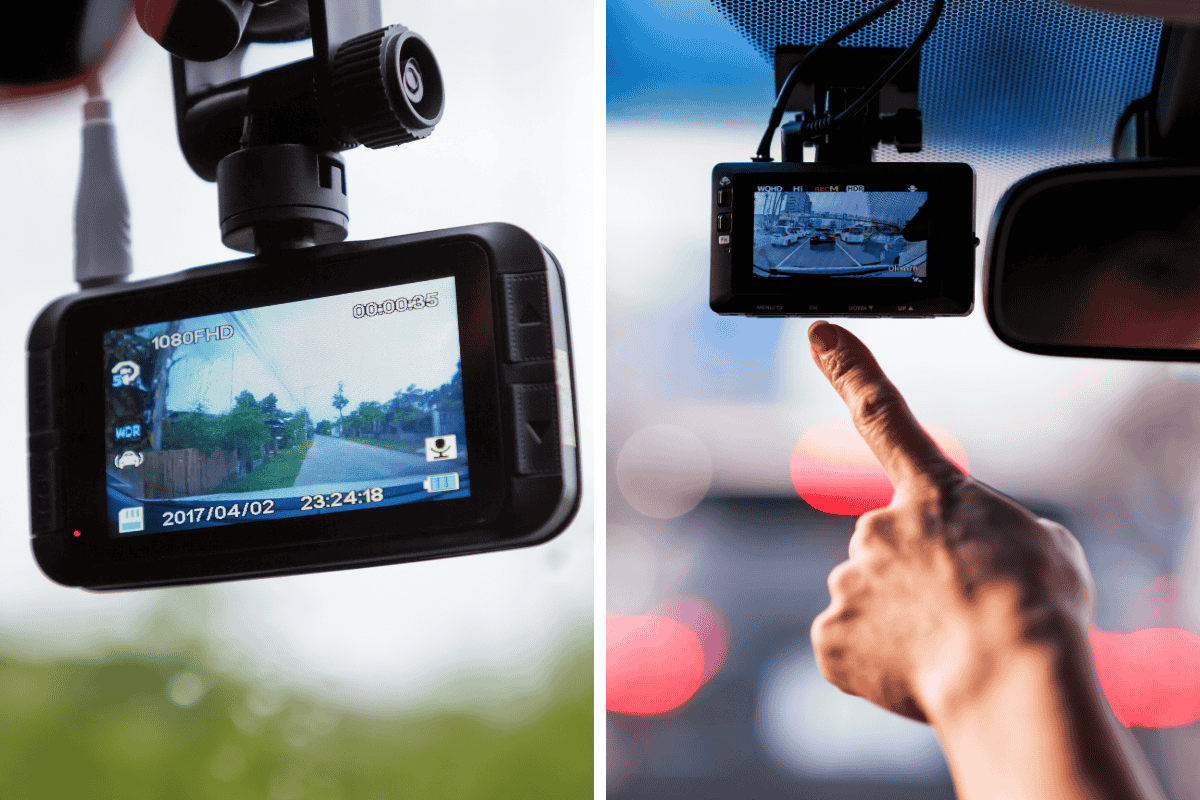
Body cams document interactions; request footage if disputed.
Practical Rights During Stops
Stay calm, hands visible; provide license/registration/insurance only. Record openly (Alabama one-party consent). Ask: “Am I free to go?” if prolonged.
For hands-free tickets, no phone handover needed. Unlock only under compulsion, risking Fifth Amendment issues. Contact ACLU Alabama or defense attorneys post-incident.
Recent Developments and Hands-Free Context
No 2025-2026 changes eased phone rules; digital IDs proposed but warrant-free searches unchanged. Hands-free enforcement rose, but Riley holds—officers verify violations visually, not via data.
SOURCES:
- https://www.joelsogol.com/articles/us-supreme-court-rules-on-warrantless-cellphone-searches/
- https://www.mydenveraccidentlawfirm.com/news-resources/riley-v-california-and-its-impact-on-traffic-stops/