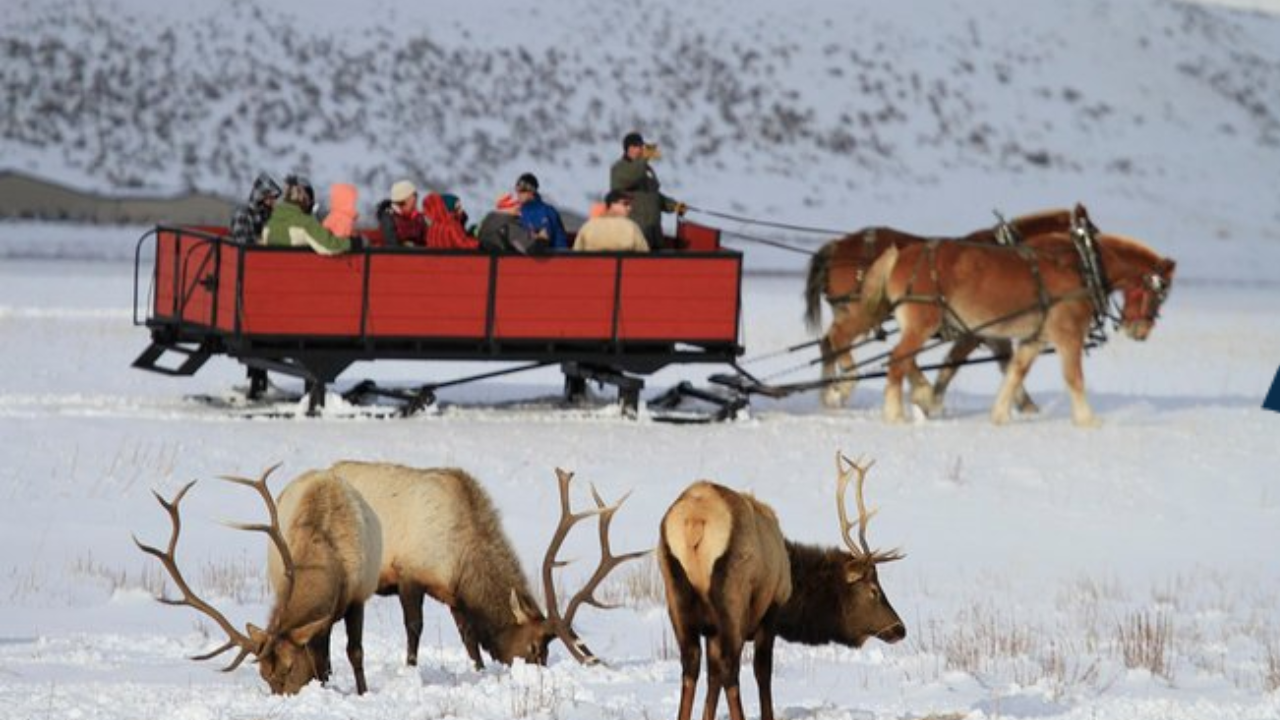
An iconic winter attraction in northern Utah is experiencing significant changes this season as unusual December temperatures disrupt a tradition spanning more than six decades. The beloved elk-viewing sleigh rides at Hardware Wildlife Management Area continue operating, but visitors are encountering a drastically different experience than anticipated.
Hardware Wildlife Management Area Faces Climate Challenges
Located in Hyrum, Cache County, the Hardware Wildlife Management Area has served as a premier destination for wildlife enthusiasts and families seeking authentic winter experiences. The facility typically transforms into a winter wonderland where hundreds of elk congregate in snowy meadows, creating spectacular viewing opportunities for visitors riding through the landscape on horse-drawn sleighs.
This year presents a stark contrast to traditional seasons. Warm temperatures have prevented significant snowfall accumulation, fundamentally altering the ecosystem dynamics that typically bring elk herds down from higher elevations. The absence of snow means the majestic animals remain dispersed throughout the surrounding hills rather than gathering in the accessible meadow areas.
Wildlife Behavior and Migration Patterns
The elk migration pattern depends entirely on environmental conditions, particularly snow depth and food availability. When winter storms blanket the high country, snow covers the natural vegetation elk typically consume. This triggers their instinctual migration to lower elevations where food becomes more accessible.
At Hardware Wildlife Management Area, Utah Division of Wildlife Resources biologists strategically provide supplemental hay in designated meadow areas once elk descend. This feeding program serves dual purposes: ensuring elk survival during severe winter conditions and preventing the animals from wandering into residential neighborhoods where they could cause property damage or create dangerous vehicle collisions.
Without snow cover, elk find abundant natural forage in their preferred mountain habitats. They have no biological incentive to relocate to the meadow feeding areas, leaving the traditional viewing zones largely empty despite the continued presence of the overall herd in the region.
Visitor Experiences Adapt to Changing Conditions
Despite the absence of large elk congregations, families continue visiting the Hardware Wildlife Management Area for the unique carriage ride experience. Lexi Yorgason, who brought her family to the attraction, emphasized the educational value and outdoor experience despite the unusual conditions.
The Yorgasons appreciated the opportunity for their children to interact with horses and learn about wildlife management in an outdoor setting. However, like many visitors, they plan to return once seasonal conditions normalize and the elk descend to their winter feeding grounds.
Riley Haviland, who operates the rides through a contract with the Division of Wildlife Resources, described the dramatic weekend shift that exemplified this season’s challenges. Strong elk presence on Friday and Saturday disappeared after a Sunday storm system brought rain and wind instead of snow, melting what little snow accumulation existed.
GPS Technology Confirms Herd Presence
Wildlife biologists utilize modern technology to monitor elk movements throughout the region. GPS tracking collars fitted on select animals allow researchers to confirm the herd’s location even when animals aren’t visible in traditional viewing areas.
These tracking systems verify that elk remain in the vicinity, residing in higher elevation areas where natural food sources remain accessible. This data provides reassurance that the herd remains healthy and will migrate to lower elevations once appropriate weather conditions develop.
The tracking technology represents a significant advancement in wildlife management, allowing biologists to make informed decisions about feeding programs and visitor experiences based on real-time animal location data.
Historical Context of Cache Valley Tradition
The elk sleigh rides at Hardware Ranch have operated for more than 60 years, establishing themselves as a cornerstone of Cache Valley’s winter tourism and a cherished family tradition for generations of Utah residents. The attraction draws visitors from throughout the state and beyond, offering a rare opportunity to observe large wildlife congregations in natural settings.
However, operational interruptions are not unprecedented. Historical records show various challenges have temporarily altered or suspended operations over the decades. Past seasons experienced delays due to muddy conditions preventing safe sleigh operation, drought conditions affecting elk migration patterns, and pandemic-related closures that suspended public access entirely.
These historical interruptions demonstrate the operation’s resilience and adaptability to changing circumstances while maintaining its core mission of wildlife education and conservation.
Climate Patterns and Wildlife Management
The current situation reflects broader climate trends affecting wildlife behavior throughout the Intermountain West. Warmer December temperatures have become increasingly common in recent years, creating unpredictability in traditional seasonal patterns that wildlife species have relied upon for millennia.
Wildlife managers must continuously adapt their strategies to accommodate these shifting patterns while maintaining animal welfare as the primary priority. The supplemental feeding programs exist to support elk during genuine hardship conditions, not to artificially concentrate animals for human viewing convenience.
This philosophy ensures wildlife management decisions prioritize ecological health over tourism considerations, even when visitor experiences are affected.
Unexpected Benefits for Visitors
While the absence of elk disappoints some visitors, the mild conditions offer surprising advantages. Families can enjoy the outdoor experience without enduring harsh winter weather that sometimes makes traditional sleigh rides uncomfortable, particularly for young children.
The warmer temperatures eliminate the need for heavy winter coats, snow pants, and extreme cold weather gear that can be expensive and cumbersome. Visitors can focus on the scenic landscape, learn about wildlife management practices, and enjoy horse-drawn carriage rides in relatively comfortable conditions.
Educational components of the experience remain intact, with operators providing information about elk behavior, habitat requirements, and conservation efforts regardless of whether large herds are visible during individual visits.
Future Outlook and Seasonal Expectations
Operators remain optimistic that typical winter conditions will eventually arrive, triggering the elk migration patterns that make the sleigh ride experience truly spectacular. Meteorological forecasts suggest colder temperatures and potential snowfall in coming weeks, which would transform the landscape and prompt elk to descend from higher elevations.
The operation continues daily tours, maintaining its schedule to accommodate visitors while remaining flexible as conditions evolve. Staff members encourage interested families to monitor weather conditions and wildlife reports before planning visits, with the understanding that experiences may vary significantly depending on current environmental factors.
Those seeking the quintessential winter elk viewing experience may benefit from patience, waiting for established snow cover before scheduling their visits. Conversely, visitors interested primarily in the carriage ride experience and wildlife education can enjoy current mild conditions without disappointment.
Conservation Education Opportunities
The unusual season provides valuable teaching moments about climate impacts on wildlife behavior and the complexities of ecosystem management. Visitors gain insight into how seasonal weather patterns influence animal migrations and why wildlife managers cannot simply force elk into viewing areas for human convenience.
These lessons about ecological interconnectedness and wildlife adaptation strategies offer educational value that transcends the immediate disappointment of not seeing large elk herds. Understanding these dynamics helps build public support for conservation programs and wildlife management funding.
The Hardware Wildlife Management Area continues fulfilling its mission of connecting people with wildlife and wild places, even when conditions differ from traditional expectations. This adaptability ensures the tradition continues serving new generations while acknowledging the dynamic nature of natural systems.