
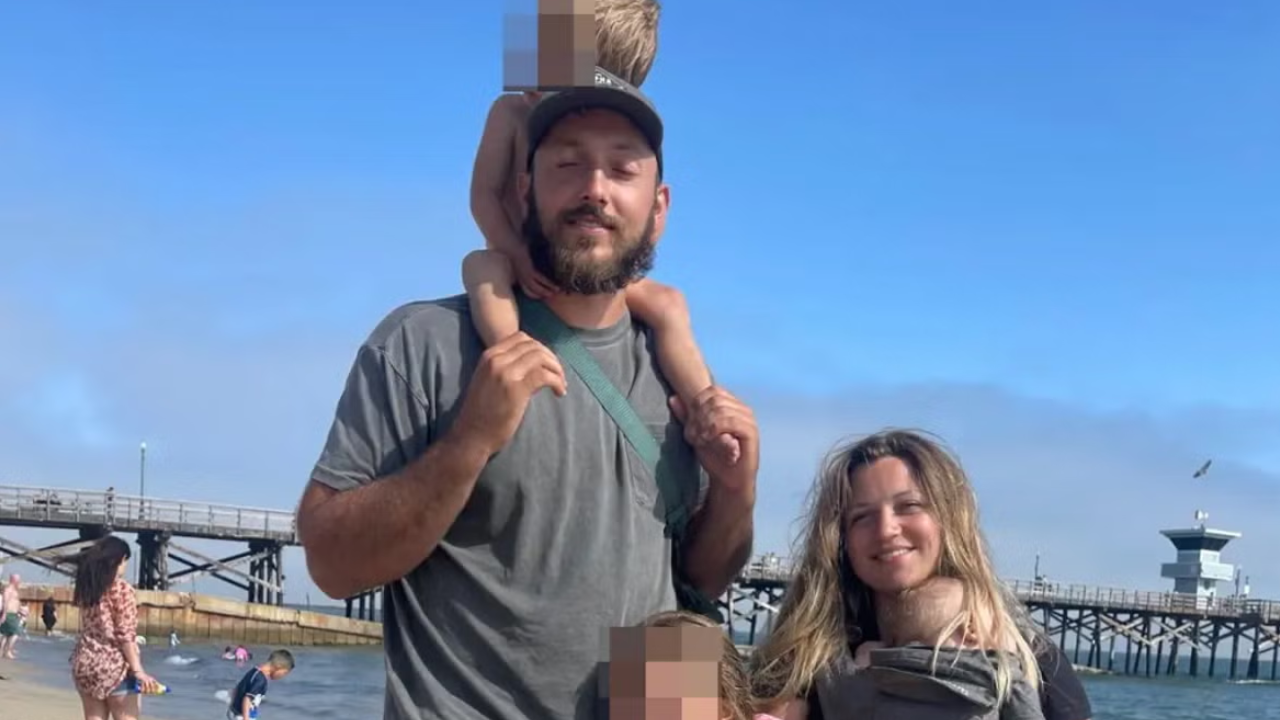
An emotional debate is unfolding online after a Utah father accused of taking his three young children on a dangerous hike in winter conditions was denied release from jail. Prosecutors say the outing in Big Cottonwood Canyon left two of the children critically injured and nearly cost one child his life. The father, identified in court records as Micah Smith, now faces multiple felony counts of aggravated child abuse and child torture.
According to reporting from outlets including FOX 13’s local partner KUTV, he remains in custody under a protective order that bars any contact with his children while the case moves forward.
The case has sparked intense anger in comment sections and community forums. Many people say the judge’s decision to keep Smith in jail was the only responsible outcome, given the seriousness of the allegations.
To them, leading children as young as two and four onto a steep summit trail in a storm is not just poor judgment but evidence that the kids were placed in extreme and unnecessary danger. Some commenters go further, speculating about the father’s intentions and suggesting the hike might have been more than a tragic mistake. Because the facts are still playing out in court, those claims remain allegations, not proven motive.
A recurring theme in public reaction is concern for the children’s mental and emotional health. Commenters note that surviving a near-fatal night in freezing conditions could leave deep psychological scars, including anxiety and post-traumatic stress. They point to details from charging documents reported by outlets such as The Salt Lake Tribune, which describe one child asking if they were “going to freeze to death” and a four-year-old suffering severe hypothermia and a stroke.
For many readers, those details reinforce their belief that the children should not be returned to their father at any point soon.
There is also broad support online for the protective order that currently blocks the father from contacting his kids. In Utah, courts can issue child protective orders to restrict contact and set temporary custody arrangements when there are allegations of serious harm or risk. Information from the official Utah State Courts explains that such orders are designed to prioritize a child’s immediate safety while longer-term decisions are made. Commenters frequently reference this, saying that keeping strict legal distance between Smith and his children is not punishment, but protection.
Some voices in the discussion emphasize that criminal charges and public outrage do not replace the need for a full mental health evaluation. They argue that if the allegations are proven, the father clearly needs intensive treatment in addition to any sentence. Others respond that treatment should not come at the expense of the children’s safety and that any future contact, if allowed at all, should be heavily supervised. Across both sides, there is a shared sense that the long-term focus must be on the children’s recovery, stability and ability to rebuild trust in adults.
Hiking and rescue experts commenting on the case have also called Smith’s decisions a major warning sign. They point out that even experienced adults can get into trouble on exposed mountain trails during rapidly changing weather, and that expecting small children to manage icy terrain, high elevation and plunging temperatures is inherently risky. For those critics, choosing such a route with young kids in winter conditions is itself evidence of extreme recklessness, regardless of what Smith’s intentions might have been.
As the case proceeds, the legal system will determine whether the dangerous hike amounts to criminal conduct under Utah law. For now, a judge’s refusal to grant early release, combined with the standing protective order, aligns with what many people online have demanded: that Smith remain behind bars while his children stay as far as possible from further trauma.
The comments may differ in tone, but the dominant message is clear: the children’s safety must come first, and any second chance for their father should only be considered after the courts and mental health professionals are satisfied that they are no longer at risk.