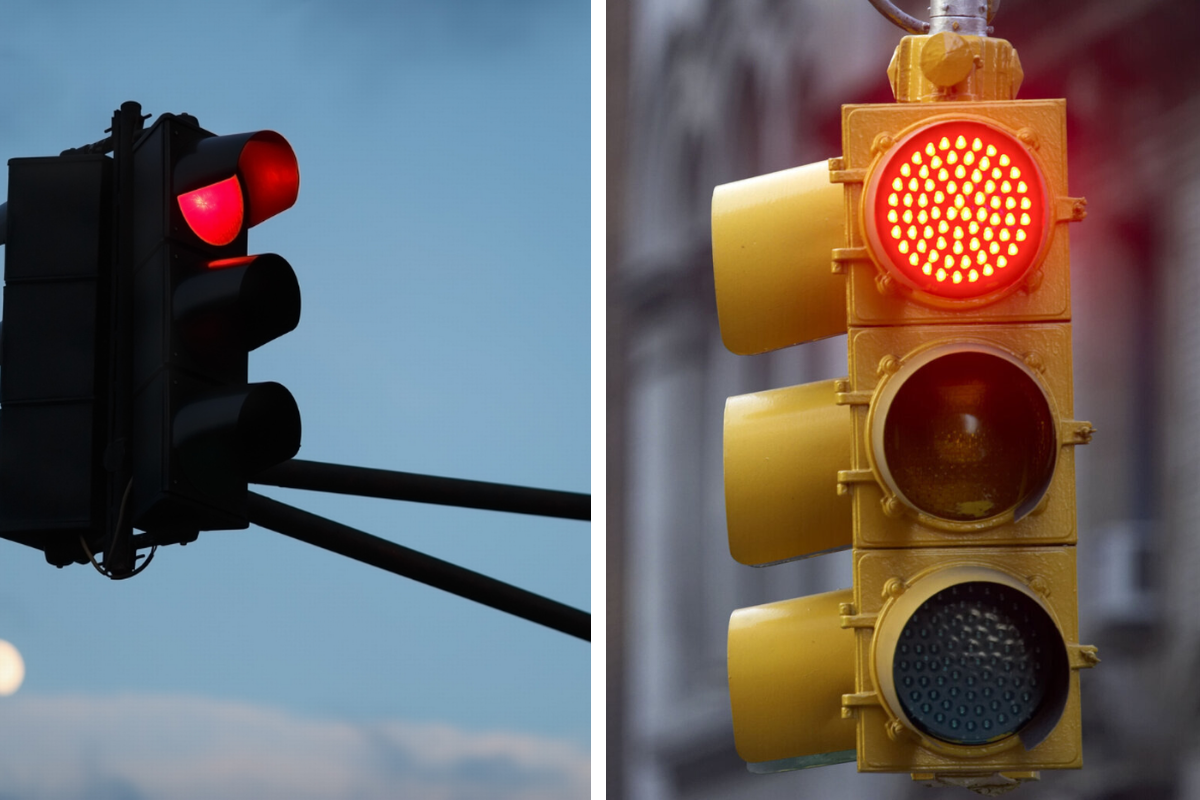
Hawaii’s right turn on red rule remains permissive in 2025, allowing turns after a full stop unless prohibited by signs.
Governed by Hawaii Revised Statutes §291C-32, drivers must yield to pedestrians and oncoming traffic for safety. No major statewide changes occurred, but enforcement emphasizes compliance amid pedestrian protection efforts.
Core Rule Explained
Faced with a steady red light, drivers must come to a complete stop at the marked line, crosswalk, or intersection entry. Once stopped, proceed right only if clear of vehicles, cyclists, and pedestrians—yielding right-of-way is mandatory. Rolling stops are illegal, treated as red-light violations.
Left turns on red are allowed solely from one-way streets onto another one-way street, following the same stop-and-yield protocol.
2025 Updates and Clarifications
The 2025 framework retains prior rules with heightened focus on safety: stricter penalties for failing to yield to pedestrians or cyclists.
Automated cameras may increase ticketing at high-risk intersections, though Hawaii lacks statewide red-light cams as of now. Time-specific restrictions (e.g., peak hours) apply where posted.
Counties like Honolulu or Hawaii County post “No Turn on Red” signs at dangerous spots, overriding state permission—these are enforceable only with visible signage per MUTCD standards.
Prohibited Scenarios
Do not turn right on red if:
- Signs state “No Turn on Red” or similar.
- Pedestrians occupy or approach crosswalks.
- View is obstructed by vehicles or structures.
- Cyclists are present in the intersection.
Red arrows prohibit turns outright until green.
Enforcement and Penalties
Violations fall under HRS §291C-31 (disobeying signals): $200 fine minimum, plus court costs and 2-4 license points. Pedestrian-related failures escalate to reckless driving (up to $2,000 fine, 6 months jail). Insurance surcharges follow convictions; safe drivers avoid hikes.
Best Practices
Scan mirrors, crosswalks, and sidewalks before turning. Proceed cautiously even if clear. In Honolulu’s dense traffic, anticipate pedestrians. Visitors: review rental car guides for local signs. Use apps like Waze for real-time prohibitions.
Hawaii’s rule balances flow and safety—stop fully, yield always, and obey signs to comply effortlessly.
- https://legalinsights.us/can-you-turn-right-on-red-in-hawaii-rules-and-exceptions-explained/
- https://www.drivinglaws.org/resources/hawaii-red-light-stop-sign-tickets.html