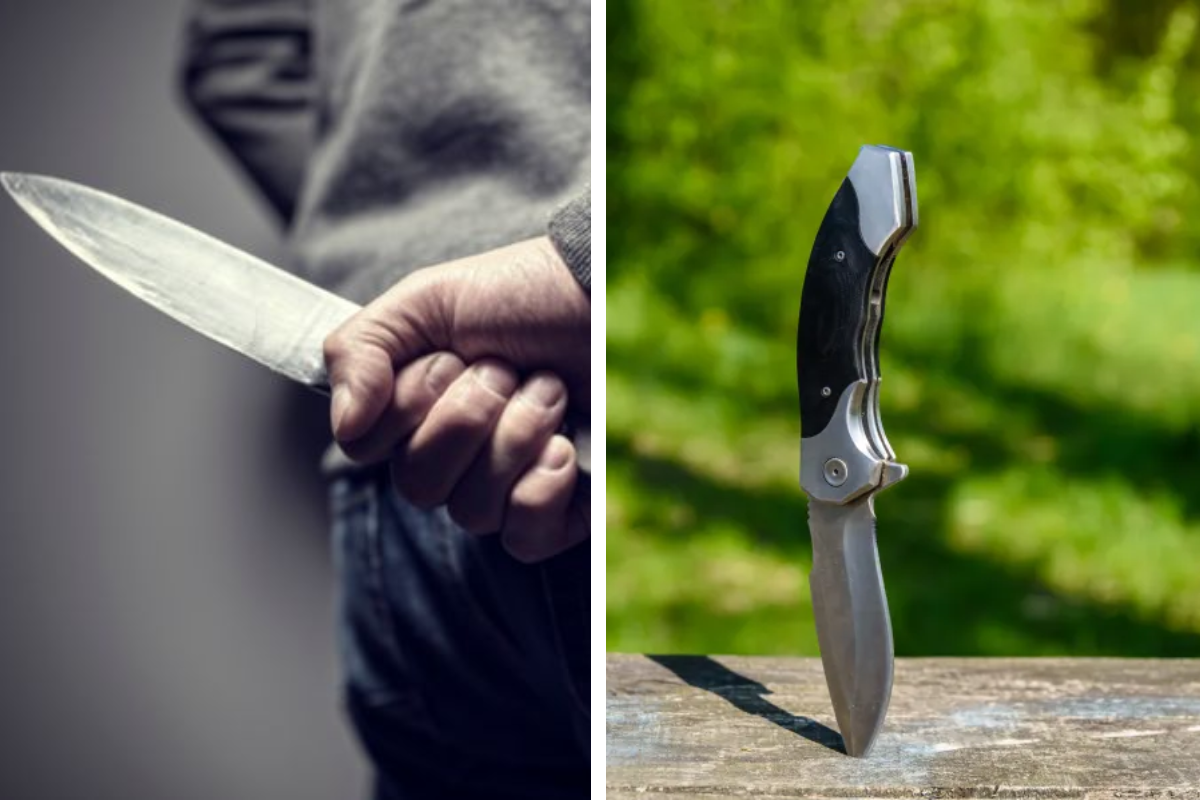
Iowa knife laws are relatively permissive for ownership and open carry but include restrictions on concealed carry, blade length, and certain knife types. Adults can generally possess most knives, with key rules outlined in Iowa Code Section 724 (Weapons).
Legal Knife Ownership
Adults in Iowa may own a wide range of knives, including pocket knives, fixed blades, daggers, stilettos, balisong (butterfly) knives, hunting knives, and disguised knives like sword canes or lipstick knives.
Ballistic knives—those that eject a blade via spring or explosive—are explicitly illegal as “offensive weapons,” with possession classified as a Class D felony punishable by up to five years in prison and fines up to $11,000.
No statewide restrictions exist on purchasing, selling, or transferring other knives, though minors under 21 face limits on “dangerous weapons.
Carry Rules
Open carry of most knives is legal throughout Iowa, provided there’s no intent to unlawfully harm others.
Concealed carry gets stricter: Any knife with a blade over 5 inches counts as a “dangerous weapon” (along with daggers, razors, stilettos, or switchblades), requiring a valid concealed carry permit (typically for handguns but applicable here).
Blades 5 inches or shorter can generally be concealed without issue, but local ordinances may vary since Iowa lacks full preemption—check cities like Des Moines or Cedar Rapids for extras.
| Knife Type | Open Carry | Concealed Carry (No Permit) |
|---|---|---|
| Pocket/Folding <5″ | Legal | Legal |
| Fixed Blade >5″ | Legal | Illegal |
| Switchblade/Balisong | Legal | Restricted (Permit Needed) |
| Ballistic Knife | Illegal | Illegal |
Restricted Locations
Knives deemed dangerous weapons are banned in “weapon-free zones,” including within 1,000 feet of schools, courtrooms, and certain government buildings.
Private property owners and political subdivisions can set their own rules, and public vehicles or airports prohibit them too. Carrying while intoxicated or with criminal intent escalates charges.
Penalties and Exceptions
Violations range from serious misdemeanors (e.g., concealed >5″ blade: up to 1 year jail, $1,875 fine) to aggravated misdemeanors or felonies for longer blades or offensive weapons used in crimes.
Law enforcement, military personnel, and those with permits get exceptions. In self-defense scenarios, knives are viable if use is justified under Iowa’s stand-your-ground laws, but courts assess reasonableness.
Practical Advice
Always measure blade length from the tip to the hilt and prioritize de-escalation. Local laws can shift, so verify via Iowa Code or a legal expert—resources like the American Knife and Tool Institute (AKTI) track updates. For everyday carry (EDC), stick to folders under 5 inches to stay compliant statewide.
SOURCES:
- https://www.bladescout.com/iowa-knife-laws/
- https://www.akti.org/state-knife-laws/iowa/