Hawaii permits dash cams in 2026 with minimal restrictions, emphasizing safe installation to avoid obstructing the driver’s view under general vehicle safety laws. A new state initiative called “Eyes on the Road” actively promotes their use by offering free units to gather road condition data. These guidelines ensure compliance while leveraging cams for insurance, legal evidence, or public safety.
Mounting Requirements
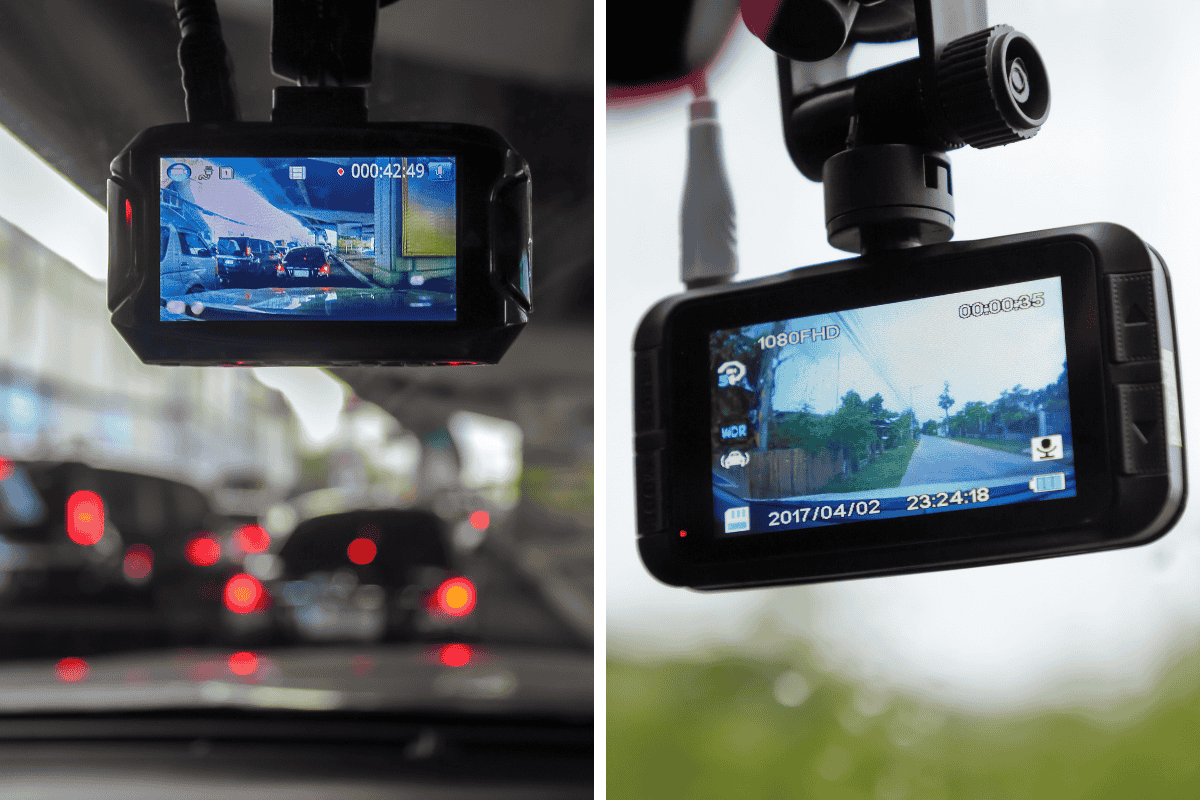
Dash cams must attach to the windshield’s top or bottom corners, limited to about 5 square inches in size (some guidelines allow up to 7 inches), and cannot block forward vision per HRS § 291-31.5.
Dashboard mounting is also fine if it stays below eye level and avoids airbag deployment zones. Officers may cite improper setups during routine stops or safety inspections, but enforcement focuses on actual hazards rather than the devices themselves.
Audio Recording Rules
Hawaii operates under single-party consent laws for audio, meaning you can record conversations you’re part of without notifying others—ideal for road interactions in public spaces.
This applies to dash cam audio captured during drives; private property footage (like home driveways) requires more caution to avoid wiretap violations under HRS § 803-42. Courts routinely admit clear, timestamped clips as evidence in disputes.
State “Eyes on the Road” Program
Launched in early 2026, HDOT partners with UH Mānoa and Blyncsy to distribute 1,300 free high-res cams, prioritizing outer islands like Maui, Kauaʻi, and Hawaiʻi Island after Oʻahu filled up quickly (898 users).
Participants upload anonymized footage via app for AI analysis of potholes, bridges, and cracks—HDOT accesses aggregated data only for maintenance, not personal IDs or law enforcement. Owners keep full control and can submit clips privately for accidents or road rage.
Police and Privacy Limits
Law enforcement dash cams fall under HB2031, mandating Attorney General oversight for retention and body cam integration, but civilians face no such rules. No statewide privacy bans target personal cams, though sharing footage online risks defamation if edited misleadingly. Insurers like Allstate welcome verified clips without premium hikes.
Legal and Insurance Uses
Footage proves fault in collisions, supports claims, or aids police—e.g., capturing hit-and-runs boosts solvency rates. Always preserve originals; tampering undermines court value. No data retention mandates apply to private users.
Installation Tips
Opt for suction-cup or adhesive mounts with GPS, night vision, and loop recording; test angles for license plate clarity. Programs like HDOT’s provide models—apply at hidot.hawaii.gov. Avoid tint overlaps or HUD interference.
SOURCES:
- https://www.ddpai.com/blog/dash-cam-laws/
- https://alohastatedaily.com/2026/01/05/hdot-seeks-more-drivers-for-dashcam-program/