Olympia’s last large homeless encampment, known as the “Jungle,” has become the focus of growing discussion — and concern — as city leaders begin exploring its eventual closure. During the Jan. 27 City Council meeting, Mayor Dontae Payne made it clear that no immediate action is being taken but emphasized the need to “manage expectations and address rumors.”
The Jungle: A Place of Shelter and Struggle
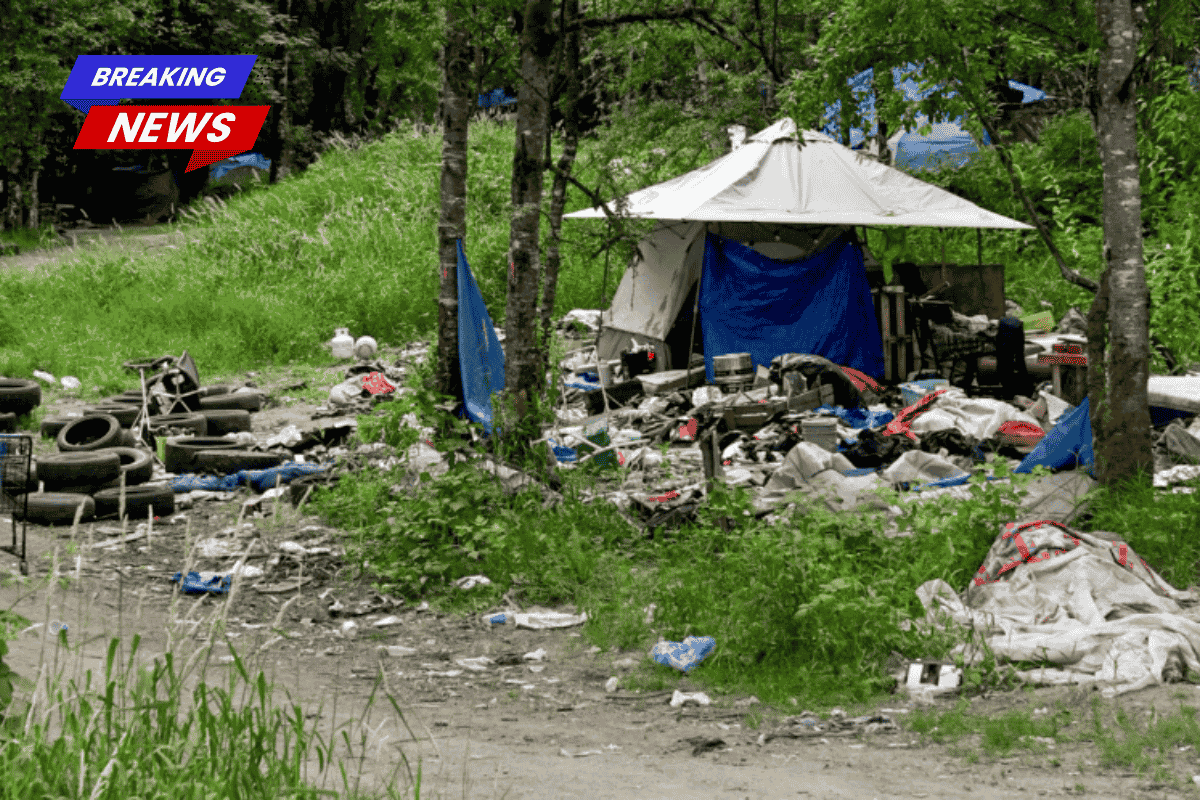
The Jungle, tucked in a wooded area between Martin Way East and Pacific Avenue Southeast, has long been home to dozens of Olympia’s unhoused residents.
Many live in tents or makeshift shelters, forming what has become the city’s last remaining large encampment. According to Mayor Payne, city staff are just beginning the early stages of planning a future closure — a process he stressed would take time and care.
No Immediate Plans, Long Timeline Ahead
Though the idea of closing the Jungle was first mentioned by Payne during the “State of the Community” event in Lacey on Jan. 14, he clarified during the recent City Council meeting that no final decisions have been made. There is currently no set date, and he does not expect any closure to happen in 2026.
City Manager Jay Burney echoed this sentiment. He estimated that it would likely take 18 months to two years before any significant steps toward closure might even begin. “A lot of the work that has to be done is around putting a good plan together,” Burney said.
Both Payne and Burney emphasized that any action would involve a comprehensive and compassionate approach. This includes working with the county, nonprofit organizations, and — most importantly — the residents of the Jungle themselves.
A Community That Needs to Be Heard
For those living in the Jungle, the encampment is more than just shelter. It’s a place where people have built community, structure, and safety in a world that often overlooks them. During the public comment session, Colin Bartlett — a local business owner and former houseless resident — urged the council to understand the reality on the ground.
“If you spoke with Jungle residents, they would first tell you that sustainable alternatives simply do not exist,” Bartlett said. He explained that when encampments are cleared without proper planning, most people simply end up back on the streets, often in worse conditions.
He also stressed the importance of agency — the right for unhoused individuals to have a say in their own future. For many, the Jungle provides space to live with dignity, manage mental health with community support, and maintain bonds with pets and found families.
Moving Forward With Compassion and Consent
Bartlett called on the city to include Jungle residents in every part of the process. “Anything that is done for our neighbors in the Jungle must fully involve them at every step of the process, fully meet their needs, and require their consent to move forward,” he said.
His message was clear: any proposed alternative must do more than offer housing. It must offer respect, inclusion, and safety — things residents of the Jungle have built for themselves, often after being let down by the very systems meant to support them.